

The beginner skincare routine guide explains how to build a simple skincare routine, choose the right products for your skin type, and follow the correct skincare routine steps for healthy, glowing skin.
Starting a skincare routine can feel overwhelming with thousands of products to choose from. From cleansers and toners to serums, moisturizers, and sunscreens, every product claims to be the one your skin needs. Suddenly, you’re standing in front of a shelf wondering, “Where do I even start?”
If you’ve ever felt confused about your skin type, which products are right for your skin concerns, or whether you even need a serum, you’re not alone. It’s completely normal to feel overwhelmed when every product claims to be “essential.”
In this beginner skincare guide, you’ll learn how to:
- Identify your skin type and choose the right products
- Learn the correct skincare routine steps for both your AM and PM routine
- Build a beginner skincare routine based on your skin type
- Improve your skin’s health without overcomplicating your routine

- Beginner Skincare Guide
- How to Know Your Skin Type & Skin Concerns.
- What Products Do You Really Need as a Beginner?
- What Ingredients Should Beginners Look for in Skincare Products?
- What Is the Ideal Beginner Skincare Routine?
- Beginner Skincare Routine for Different Skin Types
- Common Skincare Mistakes Beginners Make
- Skincare Tips for Beginners
- How Long Does It Actually Take to See Results from Skincare?
- Key Takeaway
- FAQs
- 1. How many products should a beginner actually start with?
- 2. Do beginners really need a serum or toner?
- 3. Can I use retinol and hyaluronic acid as a beginner?
- 4. What is the correct order to apply skincare products?
- 5. What is the simplest possible skincare routine?
- 6. When should a beginner add SPF to their routine?
- 7. Can I use the same products in the morning and at night as a beginner?
- 8. Should beginners use different products for the face and neck?
- 9. Is it okay to skip skincare some days as a beginner?
- Read Other Posts
- Explore Our Categories
Many beginners end up following social media trends or buying random products without understanding what their skin actually needs. This guide cuts through the confusion with simple, science-backed skincare advice based on dermatology recommendations and skincare ingredient research, explained in a way that’s easy to understand and follow.
So, what does an ideal beginner skincare routine actually look like? Let’s delve into how to start a skincare routine for beginners.
Beginner Skincare Guide
Whether you’re starting skincare for the first time or rebuilding your routine from scratch, keep these basic principles in mind:
- The goal of skincare is to improve your skin’s health first, followed by its appearance.
- You need to prioritize skin health by keeping the skin clean, hydrated, and protected.
- Less is more. Beginners don’t need many products.
- Consistency matters more than using lots of products. A simple routine followed every day delivers better long-term results.
How to Know Your Skin Type & Skin Concerns.
Before building a skincare routine or selecting skincare products, it’s important to identify your current skin type. Knowing your skin type helps you choose products that actually work for your skin’s needs.
Your skin type changes throughout your life, just as your skin concerns change. Factors such as hormonal changes, lifestyle, diet, and weather impact your skin type.
Many people continue using the same routine for years, even though their skin type may have changed over time. For example, someone with oily skin as a teenager may have combination or even dry skin as an adult.
Simple Test to Identify Your Skin Type
To identify your skin type:
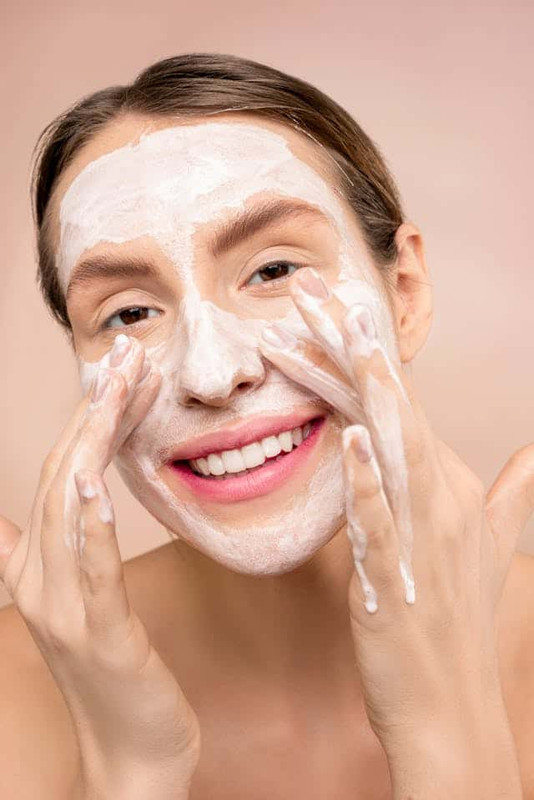
- Wash your face with a gentle cleanser and lukewarm water.
- Pat your skin dry with a clean towel.
- Wait for 45–60 minutes without applying any skincare products.
After that check your skin:
- If skin feels tight, flaky, or stretched, you have dry skin.
- If your skin feels comfortable without looking oily or feeling dry, you likely have normal skin.
- If your skin looks shiny, especially across your forehead, nose, and chin, you likely have oily skin.
- If your T-zone feels oily but your cheeks feel dry, you have combination skin.
- If your skin is red and irritated, you have sensitive skin.
Identify Your Skin Concerns
Once you know your skin type, the next step is understanding your skin concerns. While your skin type tells you how your skin behaves, your skin concerns are the specific issues you’d like to improve with your skincare routine.
Some common skin concerns include:
- Acne & breakouts
- Clogged pores
- Dullness or uneven skin texture
- Dehydration
- Wrinkles & fine lines
- Hyperpigmentation or dark spots

Now that you know your skin type and main concerns, let’s look at the essential skincare products every beginner actually needs.
What Products Do You Really Need as a Beginner?
Every beginner skincare routine is built around three basic needs: cleansing, hydration, and sun protection. These four essential products are all you need to build a simple, effective skincare routine.
Essential skincare products for beginners include:
1. Cleanser
What it does: A gentle, non-stripping cleanser removes dirt, excess oil, impurities, and sunscreen without leaving your skin feeling dry or tight. It’s the first step in keeping your skin clean and healthy.
Quick Tip: Avoid using shampoo or body wash on your face. Facial skin is more delicate and requires a cleanser that’s specifically formulated for it.

2. Serum (Optional)
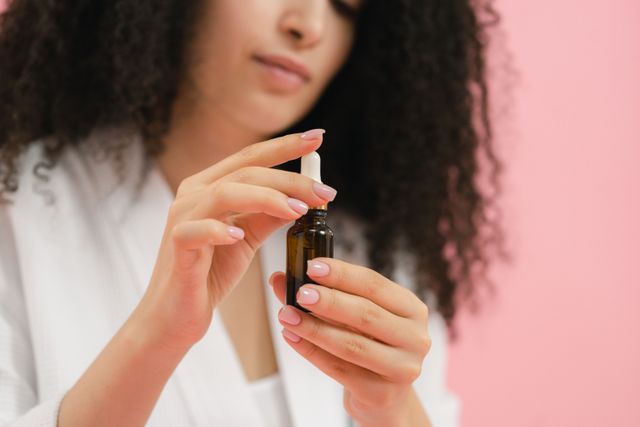
What it does: A serum delivers concentrated ingredients to target specific skin concerns, such as acne, dehydration, dullness, uneven texture, wrinkles, or dark spots.
Quick Tip: Add a serum if you have to treat any specific skin concern. If you’re just starting, you don’t need a serum right away. A cleanser, moisturizer, and sunscreen are enough to build an effective beginner skincare routine.
3. Moisturizer
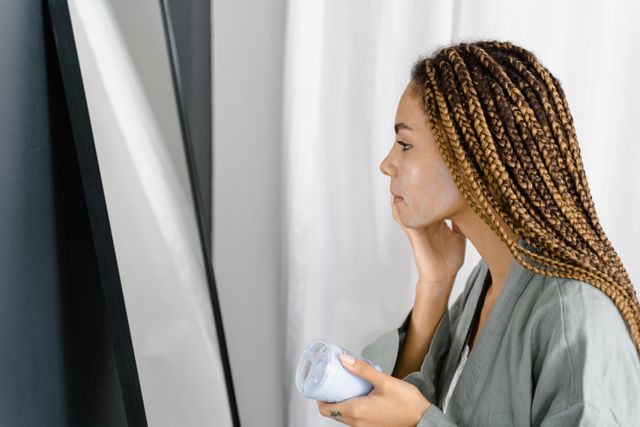
What it does: A moisturizer is essential for every skin type. It hydrates your skin, supports a healthy skin barrier, and helps keep your skin soft, balanced, and comfortable.
Quick Tip: Choose the texture of moisturizer that feels best on your skin. Gel moisturizers work well for oily skin, while creams or lotions are often more comfortable for normal to dry skin.
4. Sunscreen (Morning Only)
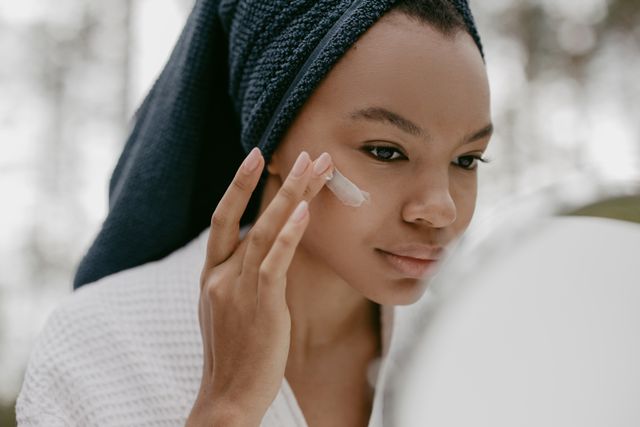
What it does: Sunscreen protects your skin from UV rays that can cause premature aging, dark spots, and long-term skin damage. Daily sun protection is one of the most important steps in any skincare routine.
What to look for:
- Choose a broad-spectrum sunscreen with at least SPF 30 for daily use.
- If you spend long periods outdoors or have melasma or hyperpigmentation, SPF 50+ offers additional protection.
- Look for a PA+++ or PA++++ rating for better UVA protection.
Quick Tip: If you have melasma or persistent hyperpigmentation, consider using a tinted sunscreen. Many tinted formulas contain iron oxides, which may provide additional protection against visible light while helping even out your skin tone with a natural-looking finish.
Learn more: How to repair skin barrier with easy science-backed steps
What Ingredients Should Beginners Look for in Skincare Products?
- Hyaluronic Acid — deeply hydrates, makes skin plumper, helps with dryness and fine lines.
- Niacinamide (Vitamin B3) — controls oil, minimizes pores, and improves uneven skin tone.
- Vitamin C — brightens dull skin, fades dark spots, protects from environmental damage
- Salicylic Acid (BHA) — unclogs pores, helps treat acne and blackheads
- Retinol (Vitamin A) — improves texture, reduces fine lines, and prevents premature aging
- Alpha Arbutin — helps fade hyperpigmentation and acne marks
- Ceramides — strengthen the skin barrier and hydrate the skin
- Peptides — support collagen production and improve skin firmness
- Glycerin — attracts water to the skin and prevents dryness
- Panthenol (Pro-vitamin B5) — soothes irritation and supports barrier repair
- Urea — hydrates, softens rough skin, and improves dryness or flakiness
- Benzoyl Peroxide — kills acne-causing bacteria and reduces inflammation
- Azelaic Acid — helps acne, redness, and post-acne marks
- Glycolic Acid (AHA) — exfoliates dead skin cells and improves texture
- Lactic Acid (AHA) — gentle exfoliation with added hydration
- Mandelic Acid (AHA) — mild exfoliant, good for acne-prone or sensitive skin
Don’t be afraid if this list looks overwhelming. You don’t need all of these. In the next section, I’ll help you figure out exactly which ingredients your skin actually needs based on your skin type, so you can keep things simple.
Read 👉 Skincare Ingredients Explained: A Complete Beginner’s Guide
What Is the Ideal Beginner Skincare Routine?
Now, let’s go through the basic skincare routine steps for an easy morning and night routine that every beginner can follow.
AM Skincare Routine for Beginners (Step-by-Step)
An AM skincare routine focuses on protecting your skin from UV rays, pollution, and daily environmental stressors.
Step 1: Cleanse
- First, dampen your skin with water.
- Then take a coin-sized amount of cleanser and gently rub it on your face.
- Massage gently for about 30 seconds before rinsing.
- Lastly, wash your face with water.
Step 2: Serum
You can use an antioxidant serum such as vitamin C to protect your skin from environmental, UV & free radical damage.
- Use L-ascorbic acid if you have normal or aging skin
- Use vitamin C derivatives like THD-ascorbate if sensitive skin or hyperpigmentation
- Vitamin C can also be used if you have acne-prone skin, provided your skin tolerates it well.
- If you have sensitive or easily irritated skin, start with a lower concentration or a gentler vitamin C derivative.
You can also use Niacinamide, Hyaluronic Acid, Peptides, or Panthenol in the morning.
Read our Complete guide to vitamin C to understand how it works, its skin benefits, and which form is right for your skin.
- Take 2-3 drops of serum
- Gently massage it on damp skin
- Let it absorb into your skin
Step 3: Moisturize
It can be step 2 of your skincare routine. If you don’t want to use serum, or your moisturizer contains ingredients like Vitamin C or niacinamide.
- Take a little bit of moisturizer
- Massage it gently on the skin
Step 4: Sunscreen
This is the most important and necessary step in the morning
- Take a 2-finger length amount of sunscreen.
- Apply it evenly on the skin and gently massage until absorbed.
- Apply sunscreen about 15–20 minutes before sun exposure.
- Reapply sunscreen after every 2 hours if you have excessive sun exposure.
- Or at least apply twice, once in the morning (9-11 am) and secondly in the afternoon (1-3 pm).
PM Skincare Routine for Beginners (Step-by-Step)
A PM skincare routine focuses on cleansing, repair, and overnight skin recovery.
Step 1- cleanse to wash off the grime of the day
- Take a cleanser in your palm.
- Gently massage it on your face for 30 secs.
- Rise with water.
Step 2- Serum– target treatment
You can use 1-2 serums based on your skin type & main concerns. If you prefer a simple routine, you can skip this step.
- Take 2-3 drops of your desired serum
- Gently apply it to your damp face and spread evenly.
- If using two serums, wait about 1–2 minutes before applying the second one so the first serum can absorb properly.
Step 3: Moisturizer
End your nighttime routine with moisturizer. It helps lock in hydration and supports your skin barrier while your skin naturally repairs overnight.
Furthermore, your skin repairs and renews itself at night. So, a moisturizer will support this natural process. Making your skin soft, calm, and balanced by morning.
- Apply a small amount of moisturizer
- Spread it over your face and neck.
- Gently massage it into your skin
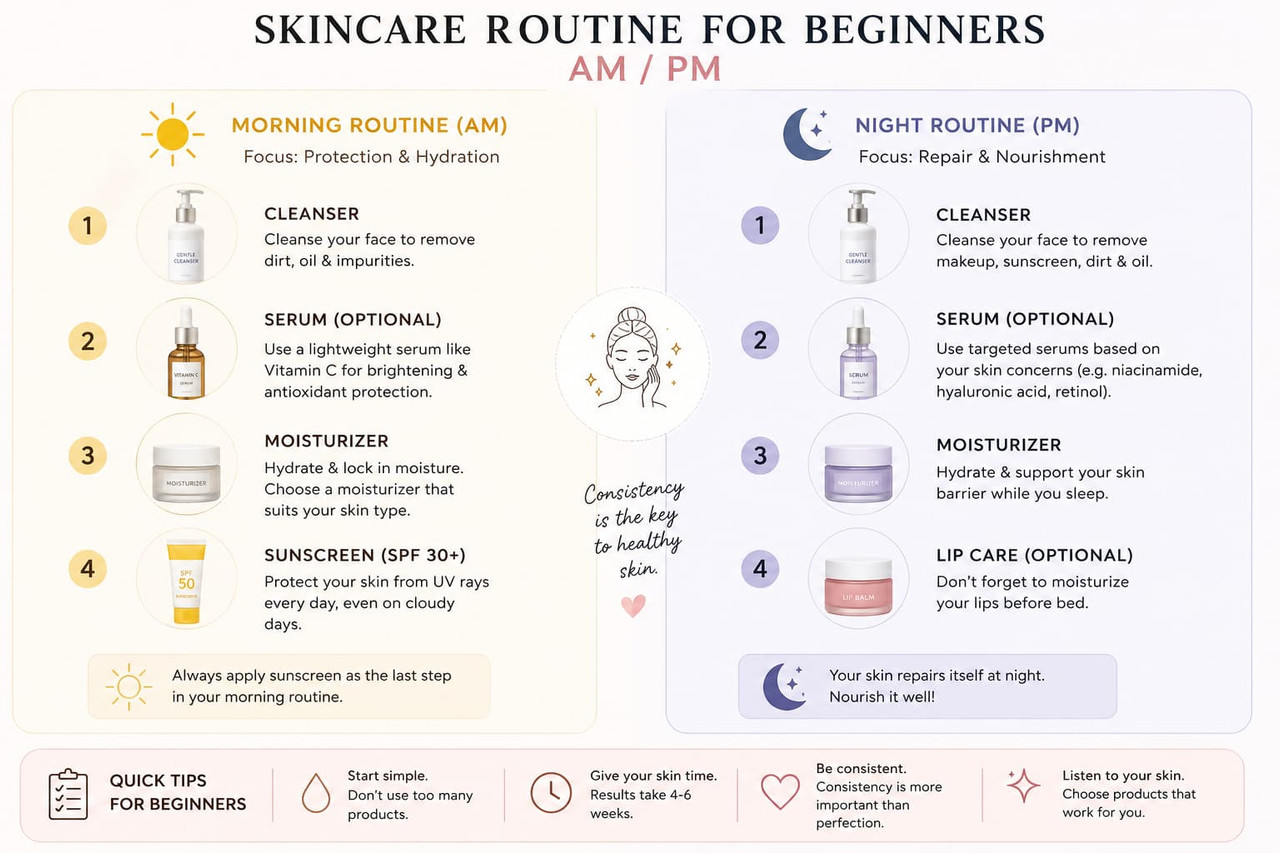
Skincare routine for beginners (AM/PM)
Learn: How to keep your Skin glowing & hydrated in Fall.
Beginner Skincare Routine for Different Skin Types
Now let’s build the right skincare routine for your skin type.
Beginner Skincare Routine For Oily Skin

Step 1: Cleanser
Use a gentle gel cleanser. If you’re oily or acne-prone, one containing salicylic acid can help control excess oil and keep pores clear.
Step 2: Serum
You can use:
- Niacinamide — AM & PM
- Salicylic Acid — PM
- Vitamin C — AM (protects from free radicals)
- Peptides — AM & PM
Step 3: Moisturizer
Choose a lightweight, oil-free gel moisturizer that hydrates without leaving a greasy residue. Avoid heavy creams as they can clog your pores.
Step 4: Sunscreen – AM
Choose a lightweight, non-comedogenic sunscreen with SPF 30+ or higher.
Quick Tip: Blotting papers can remove excess oil during the day without disturbing your sunscreen or makeup. Avoid washing your face more than twice daily, as over-cleansing can increase oil production.
Skincare Routine for Beginners with Dry Skin

Step 1: Cleanser
Use a gentle, hydrating cream cleanser. If your skin is extremely dry, rinsing with water in the morning may be enough.
Step 2: Serum
- Hyaluronic Acid — AM & PM
- Glycerin — AM & PM
- Ceramides — AM & PM
- Panthenol — AM & PM
- Lactic Acid — PM (gentle exfoliation, once or twice a week)
Step 3: Moisturizer
Choose a rich moisturizer with ceramides, glycerin, or hyaluronic acid to lock in moisture.
Step 4: Sunscreen – AM
Choose a moisturizing sunscreen with SPF 30+.
Quick Tip: Apply your moisturizer while your skin is still slightly damp to help lock in hydration. Consider using a humidifier during winter if indoor air feels dry.
Skincare Routine for Beginners with Combination Skin

Step 1: Cleanser
Use a gentle cleanser. If your T-zone is oily, choose one with mild exfoliating ingredients like lactic or mandelic acid.
Step 2: Serum
- Niacinamide — AM & PM
- Hyaluronic Acid — AM & PM
- Vitamin C — AM
- Salicylic Acid — PM (on oily zones)
- Peptides — AM & PM
- Glycolic acid — PM
Step 3: Moisturizer
Use a lightweight moisturizer all over, or apply a richer one only to dry areas.
Step 4: Sunscreen – AM
Use a lightweight, gel-based, or lotion sunscreen that is non-sticky, fast-absorbing, and won’t clog pores
Quick Tip: You don’t have to treat your whole face the same way. Use lighter products on oily areas and richer products only where your skin feels dry.
Beginner Skincare Routine for Acne-prone Skin

Step 1: Cleanser
Use a gentle gel cleanser with salicylic acid or glycolic acid to help keep pores clear.
Step 2: Serum
- Salicylic Acid — PM
- Benzoyl Peroxide — PM (alternate days, start slow)
- Azelaic Acid — AM & PM
- Niacinamide — AM & PM
Step 3: Moisturizer
Choose a lightweight, oil-free, non-comedogenic moisturizer.
Step 4: Sunscreen – AM
Use a non-comedogenic, gel-based sunscreen with SPF 30 or higher.
Quick Tip: Introduce acne treatments slowly. Starting with too many active ingredients at once can irritate your skin and worsen breakouts.
Want to treat your skin concerns without damaging your skin barrier? 👉 Read our complete Skin Barrier Repair routine guide.
Beginner Skincare Routine for Sensitive Skin

Step 1: Cleanser
Use a fragrance-free, hydrating cleanser. You can simply rinse with water in the morning.
Step 2: Serum
- Panthenol — AM & PM
- Ceramides — AM & PM
- Hyaluronic Acid — AM & PM
- Mandelic Acid — PM (gentle exfoliation, once a week)
- Niacinamide — AM & PM
Step 3: Moisturizer
Choose a fragrance-free moisturizer with barrier-supporting ingredients like ceramides, urea, or panthenol.
Step 4: Sunscreen – AM
Choose a mineral or gentle sunscreen that doesn’t irritate your skin.
Quick Tip: Always patch-test new skincare products on a small area of skin for 24–48 hours before applying them to your entire face.
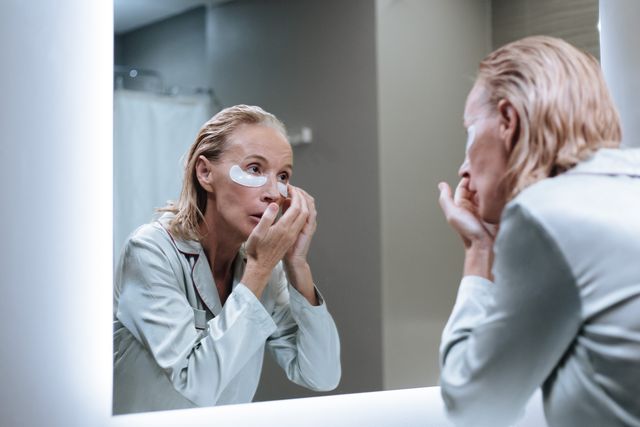
Skincare Routine for Beginners with Aging Skin
Step 1: Cleanser
Use a gentle hydrating cleanser that won’t strip your skin.
Step 2: Serum
- Retinol — PM (twice a week)
- Peptides — AM & PM
- Hyaluronic Acid — AM & PM
- Vitamin C — AM
- Ceramides — AM & PM
Step 3: Moisturizer
Choose a rich moisturizer with peptides, ceramides, and hyaluronic acid.
Step 4: Sunscreen – AM
Use a broad-spectrum sunscreen with SPF 30 or higher every morning.
Quick Tip: Consistent sunscreen use is one of the most effective ways to reduce premature skin aging. Even the best anti-aging products can’t undo daily UV damage.
Learn More 👉 How Skin Barrier Damage Affect Different Skin Types.
Common Skincare Mistakes Beginners Make
When starting a skincare routine, beginners often make a few common mistakes without even realizing it. Avoiding these mistakes from the beginning will help you build healthier skin and get better results from your routine.

1. Scrubbing Your Skin Too Hard
Cleanse your face gently using your fingertips. Rubbing or scrubbing too aggressively can damage your skin barrier and lead to irritation.
2. Applying Products in the Wrong Order
Follow the correct skincare routine order by applying products from the thinnest to the thickest consistency. This helps each product absorb properly and work more effectively.
3. Skipping Sunscreen
Wear a broad-spectrum sunscreen every morning, even on cloudy days. UV rays are present year-round and can contribute to premature aging, hyperpigmentation, and skin damage.
4. Switching Products Too Quickly
Be patient with new skincare products. Unless a product causes irritation or an allergic reaction, give it at least 3–4 weeks before deciding whether it’s working.
5. Washing Your Face with Hot Water
Always cleanse your face with lukewarm water. Hot water can strip your skin’s natural oils, leaving it dry, tight, and irritated.
6. Ignoring Your Neck
Extend your skincare routine to your neck as well. The skin on your neck is just as exposed to the environment and can show signs of aging and sun damage over time.
7. Sleeping with Makeup On
Always remove your makeup before bed. Leaving it on overnight can clog pores, contribute to breakouts, and make your skin look dull.
8. Touching Your Face Too Often
Try not to touch your face throughout the day. Your hands can transfer dirt, oil, and bacteria that may trigger breakouts.
Read More 👉 10 Skincare Mistakes to Avoid that damage your skin barrier.
Skincare Tips for Beginners
Building a good skincare routine isn’t just about choosing the right products. These simple habits can help you get better results while avoiding common beginner mistakes.

Tip No. 1- Introduce One New Product at a Time
When trying a new product, add only one at a time. This makes it easier to identify what’s helping your skin or causing irritation.
Tip No. 2- Always Patch Test New Products
Before applying a new product to your entire face, perform a patch test on a small area of skin and wait 24–48 hours to check for any reaction.
Tip No. 3- Be Patient and Stay Consistent
Skincare is a long-term commitment, not a quick fix. Most products take around 4–6 weeks to show noticeable results, so avoid giving up too soon.
Tip No. 4- Moisturize Even If You Have Oily Skin
Skipping moisturizer can leave your skin dehydrated, which may cause it to produce even more oil.
Tip No. 5- Introduce Active Ingredients Gradually
Active ingredients such as retinol and exfoliating acids (AHAs/BHAs) are best used in your PM skincare routine, as they can make your skin more sensitive to sunlight. If you’re a beginner, start by using them 1–2 nights per week and gradually increase the frequency as your skin adjusts.
Tip No. 6- Don’t Forget Your Lips
Your lips need hydration too. Apply a nourishing lip balm regularly, especially before bed and during dry or cold weather.
How Long Does It Actually Take to See Results from Skincare?
Healthy skin doesn’t happen overnight. Most skincare products take around 4–6 weeks to show early improvements, while concerns like acne, pigmentation, or fine lines may take 2–4 months of consistent use.
If you consistently follow your skincare routine:
- Your skin will look brighter and more radiant.
- Your skin will look healthier, brighter, and more radiant.
- Your skin will be well-hydrated, moisturized, and plump.
- Your skin’s oil and moisture levels will become more balanced.
- Your skin concerns, like acne, dullness, or pigmentation, can improve.
- Overall, your skin will become healthier, stronger, and more resilient.
Key Takeaway
Building a beginner skincare routine isn’t about having the most products on your shelf. You need to understand your skin type and choose products that match your skin’s needs. Even a simple routine can make a big difference. Start with the basics, and follow a daily skincare routine consistently to see long-term results.
Learn More: A Complete Beginner’s Guide To Skincare Ingredients.
Learn More: 3-phase Skin Barrier Repair Routine (AM/PM)
FAQs
1. How many products should a beginner actually start with?
As a beginner, you actually need 3 products to start your skincare routine. A good, gentle, hydrating, and non-stripping cleanser, a nourishing & hydrating moisturizer, and a broad-spectrum SPF 30+ or 50+ sunscreen. These three products are enough to keep your skin healthy, protected, and glowing as you start your skincare journey.
2. Do beginners really need a serum or toner?
Short answer — no. As a beginner, you can start your basic skincare routine with just a cleanser, moisturizer, and sunscreen. Serums and toners are great additions once your skin feels settled after 4–6 weeks. A toner can help balance your skin’s pH, and a serum can target specific concerns like dullness or dark spots. But for beginners, these are completely optional.
3. Can I use retinol and hyaluronic acid as a beginner?
Yes. Hyaluronic Acid is one of the gentlest and most beginner-friendly ingredients. It pulls moisture into the skin and works well for all skin types with almost no risk of irritation.
While, Retinol, on the other hand, is a powerful ingredient that needs careful introduction. Start with the lowest concentration (0.025–0.03%), use it only at night, and begin with 1–2 times per week. Always follow with a moisturizer and never use retinol on the same night as AHAs or BHAs, as this can irritate your skin.
4. What is the correct order to apply skincare products?
Following the correct order of skincare products helps each product absorb properly and perform its intended function. Always apply products from the thinnest to the thickest consistency. Start with lighter, water-based products first, then layer the heavier ones. If you put moisturizer on before your serum, it can block the active ingredients from fully absorbing. The order really matters. It makes your products actually work the way they’re supposed to.
The golden rule is:
Cleanser → Toner → Serum → Moisturiser → SPF (morning only)
5. What is the simplest possible skincare routine?
If you’re someone who finds skincare overwhelming or just wants something you can actually stick to. The simplest and most basic skincare routine is for you.
Morning: Rinse face with water → moisturiser → SPF
Night: Gentle cleanser → moisturiser
That’s it. This will hydrate, protect, and balance your skin, making your skin healthy.
6. When should a beginner add SPF to their routine?
From day one, SPF should be a compulsory part of your morning routine. Make sunscreen a daily habit, even if you’re mostly indoors or it’s cloudy outside. UV rays can penetrate windows and clouds, causing sun damage, premature aging, and uneven skin tone over time. For beginners, applying SPF as the last step of your morning routine ensures your skin is well-protected throughout the day.
7. Can I use the same products in the morning and at night as a beginner?
Yes! For most beginners, using the same cleanser and moisturizer in the morning and night is perfectly fine. The main difference is SPF, which should only be used in the morning. Some products, such as Vitamin C, are best used in the morning, while others, like retinol & exfoliating acids, should only be used at night.
8. Should beginners use different products for the face and neck?
Ideally, no. Most face products can be used on the neck as well. The skin there is similar but thinner and more delicate. The key is to apply product gently and avoid harsh scrubbing. Apply the same cleanser, serum, moisturizer, sunscreen, and basic routine on your neck. This helps prevent uneven tone, fine lines, and dryness over time.
9. Is it okay to skip skincare some days as a beginner?
Yes, it’s okay to miss a day occasionally. Skipping your skincare routine once in a while won’t undo your progress. However, healthy skin is built through consistent daily habits, so try to follow your routine as regularly as possible. If you’re short on time, stick to the essentials: cleanse, moisturize, and apply sunscreen in the morning. A simple routine you can maintain consistently is always better than a complicated routine you struggle to follow.
Found this article helpful? Share it with someone you care about.
Stay radiant! Catch you in the next article.
Read Other Posts

What Does Hyaluronic Acid Do for Your Skin? A Science-Backed Guide to Hyaluronic Acid Benefits & Uses
A science-backed guide to what does hyaluronic acid do for your skin, its research-backed benefits,…

Is Glycerin Good for Skin? A Science-Backed Guide to Benefits, Uses & Side Effects
A science-backed guide answering “Is glycerin good for skin?” Explore glycerin benefits for skin, how…

Fall Makeup 2026: Trends, Colors & Easy Looks to Try
The fall makeup guide explores the latest 2026 trends, flattering autumn colors, and easy step-by-step…

Fall Skincare Routine for Glowing Skin: How to Keep Your Skin Hydrated
A practical fall skincare routine guide to building a routine for glowing skin, covering how…
How to Clean Makeup Brushes and Sponges: A Complete Guide 2026
A practical beginner’s guide to ‘how to clean makeup brushes and sponges,’ covering the right…

Why Does My Makeup Look Cakey, Patchy, Dry, or Separated? Here’s How To Avoid Cakey Makeup and Make Foundation Look Smooth
A complete makeup guide to ‘why does my makeup look cakey, ‘ breaking down common causes…
Explore Our Categories
Skincare Insights

Discover the science behind healthy skin with science-backed insights on skincare ingredients, routines, and skin health.
Beauty Inside-out
.png)
Understand how nutrition, lifestyle, and wellness support healthy skin, stronger hair, and beauty from within.
Makeup Guide

Practical makeup guidance to help you choose products, improve application, and use cosmetics safely with confidence.


Pingback: Is Vitamin C Good For The Skin? The Complete Guide To Its Benefits, Uses & How It Works (2026)
Pingback: Skincare Ingredients Explained: A Complete Guide (2026)
Pingback: Makeup For Beginners: The Ultimate Guide To Building Your First Makeup Kit
Pingback: Essential Skin Barrier Repair Routine: 3 Phases To Restore Your Skin Barrier
Pingback: What Causes A Damaged Skin Barrier? 10 Skincare Mistakes To Avoid.
Pingback: Simple Fall Skincare Routine For Glowing Skin (2026) | Skin Alchemy
Pingback: Is Glycerin Good For Skin? A Complete Science-Backed Guide To Benefits, Uses & Side Effects
Pingback: What Does Hyaluronic Acid Do For Your Skin? An Easy Science-Backed Guide To Hyaluronic Acid Benefits & Uses