
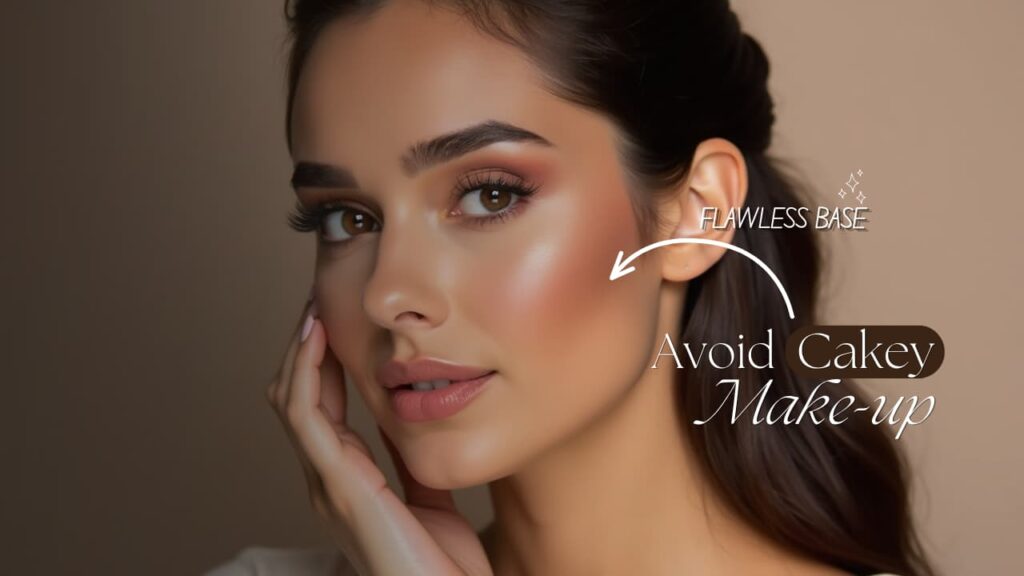
A complete makeup guide to ‘why does my makeup look cakey, ‘ breaking down common causes of foundation problems and practical ways to achieve a smoother, flawless-looking base.
Have you ever done your makeup, looked in the mirror, and thought, ‘Why does my makeup look cakey already?‘
Maybe your foundation looked beautiful for the first 30 minutes, but later it started looking dry, patchy, heavy, or separated around your nose and chin. And somehow, the foundation you normally love suddenly looks like the problem.
Whenever my makeup didn’t sit nicely or look smooth, I used to blame my foundation. My first thought was always, ‘Maybe I need a different one.‘
But sometimes I’d switch things up and still end up with the same problem. My makeup would settle into my pores, cling to dry areas, or start separating after a while. That’s when I realized it wasn’t always about the foundation itself.
After studying cosmetic science and watching countless demonstrations from professional makeup artists, I started paying attention to the little things that can completely change how makeup sits on the skin. This shifted my perspective and made it easier to achieve flawless foundation makeup.
In this guide, you’ll learn:
- Why your foundation looks cakey, patchy, dry, or starts separating.
- What’s actually causing these foundation problems in simple, easy-to-understand terms.
- How to identify the real cause instead of blaming your foundation.
- Practical, evidence-informed solutions that actually work.
- A simple step-by-step routine to troubleshoot foundation problems and achieve a smoother, more flawless finish.
Let’s start by identifying what’s actually going wrong with your makeup.
- What's Actually Going Wrong With Your Makeup
- Why Your Foundation Doesn't Look Smooth (The Real Causes)
- Why Does My Makeup Look Cakey?
- 1. Your skin is dehydrated
- 2. You're using more foundation than your skin needs
- 3. Using the Wrong Foundation Formula
- 4. Too Much Powder Can Make Foundation Look Heavy
- 5. You’re using the wrong application technique
- 6. Your Skin's Natural Oil Gradually Breaks Down Foundation
- 7. Your Skincare Needs Time to Settle
- Reality Check: What Foundation Can't Do
- How to Avoid Cakey Makeup and Get Flawless, Smooth Foundation (Step-by- Step)
- Step 1: Start With Well-Prepared Skin
- Step 2: Choose Products That Match Your Skin Type
- Step 3: Apply Foundation in Thin, Even Layers
- Step 4: Set Your Makeup Without Making It Look Heavy
- Step 5: Fix Your Foundation Without Starting Over
- H3: PRACTICAL TIPS FROM MAKEUP ARTISTS: Principles for Smooth, Natural-Looking Foundation
- Common Makeup Myths That Affect Your Base
- Final Takeaway
- FAQs
- 1. Why does my makeup only look good for 30 minutes?
- 2. Why does foundation separate around the nose first?
- 3. Why does my foundation look dry even after applying moisturizer?
- 4. Can oily skin have cakey makeup?
- 5. Why does my foundation settle into pores?
- 6. Why doesn't my makeup look like it does on social media?
- Continue Reading
- Explore Our Categories
What’s Actually Going Wrong With Your Makeup
Professional makeup artists don’t diagnose every makeup problem the same way. Before reaching for another foundation, they first identify whether the issue is cakiness, separation, dryness, pilling, or patchiness because each problem usually has a different cause, and therefore a different solution.
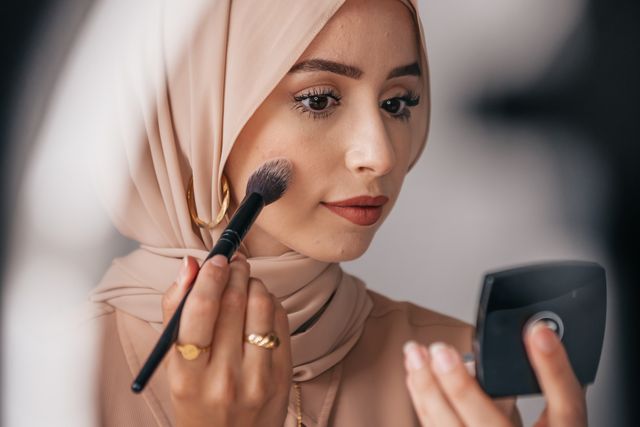
Identifying the problem is the first step. So, Let’s start by figuring out exactly what your makeup is trying to tell you.
Common Foundation Problems (Quick Diagnosis)
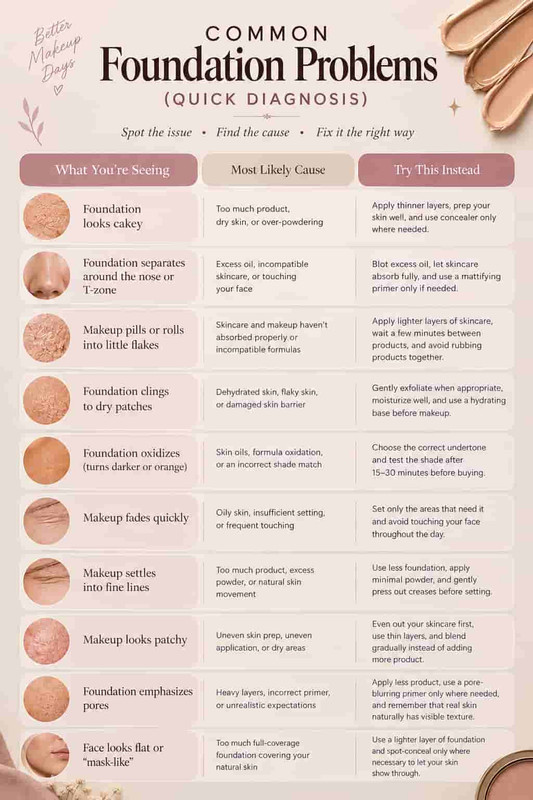
Several of these factors can happen at the same time, which is why your foundation may look different from one day to another. Before changing your foundation, notice whether the problem stays the same or changes from day to day. It can help you figure out what’s actually causing it.
Now, let’s look at why these issues happen and what causes them.
Why Your Foundation Doesn’t Look Smooth (The Real Causes)
Think of your foundation as a lightweight layer covering your skin. Cosmetic science shows that foundation works by forming a thin, continuous film over the surface of your skin. When that film adheres evenly, your makeup looks smooth and natural. When it’s disrupted by dry patches, excess oil, incompatible skincare, or too much product, the film begins to crack, separate, or cling unevenly—resulting in cakiness, patchiness, or pilling.
Professional makeup artists often say that foundation should enhance your skin, not replace it. If you’re expecting foundation to erase pores, texture, acne scars, or fine lines completely, you’ll almost always end up applying more product than your skin actually needs.
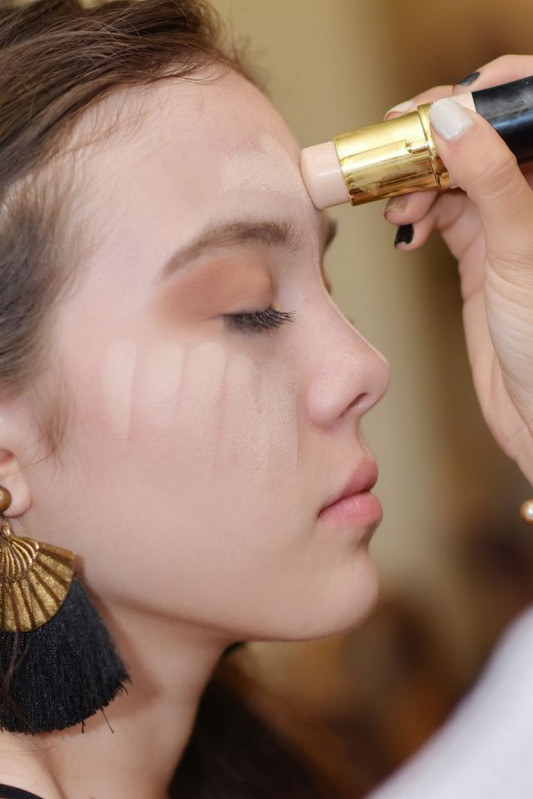
For foundation to look smooth, four things need to work together:
1) A balanced skin surface: Foundation can only sit as smoothly as the skin underneath it. If your skin is dehydrated, flaky, overly oily, or not well-prepped, foundation is more likely to cling, separate, or emphasize texture instead of creating an even finish.
2) The right amount of product: One of the biggest mistakes beginners make is assuming more foundation creates a smoother complexion. Professional makeup artists consistently recommend applying the thinnest layer needed to even out your skin tone, then using concealer only where extra coverage is necessary.
3) Compatible layers underneath: Your moisturizer, sunscreen, primer, and foundation should work together instead of competing with each other. If one layer hasn’t fully absorbed or the formulas don’t sit well together, the foundation film can break apart, leading to pilling, patchiness, or separation.
4) A realistic expectation of what foundation can do: Foundation is designed to even out skin tone, not erase pores, acne scars, fine lines, or natural skin texture. Expecting it to do more often leads to overapplication, which usually creates the very cakey finish you’re trying to avoid.
When foundation isn’t sitting well on the skin, it may start looking uneven by highlighting dry patches, collecting around pores, separating in oily areas, or developing a cakey finish.
Evidence Insight: Research suggests that pilling occurs when layered products fail to form a single stable film on the skin. Instead, they begin to clump or roll into tiny flakes.
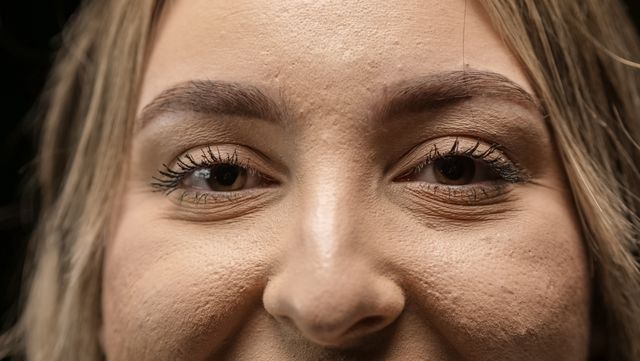
5 Things That Affect How Your Foundation Looks
1. Your skin condition
Healthy, well-prepared skin gives foundation an even surface to sit on. If your skin is dehydrated, flaky, or producing excess oil, foundation struggles to spread evenly and wear consistently. Improving your skin often improves how your foundation looks.
Think of foundation like paint on a wall. Even premium paint won’t look smooth on a rough surface. Likewise, foundation can only be as smooth as the skin it’s sitting on. This is why many makeup artists spend more time preparing the skin than actually applying foundation.
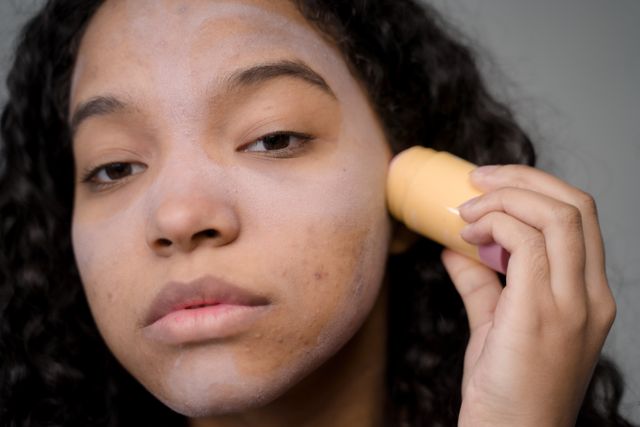
Did you know? Oily skin can still be dehydrated. In fact, dehydration may sometimes trigger your skin to produce even more oil to protect itself.
2. How You Prepare Your Skin Before Makeup
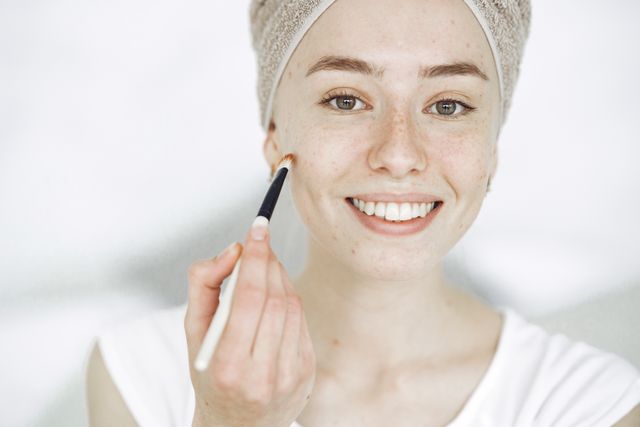
You don’t need to pile on skincare before foundation. Well-prepped skin provides a smoother surface for the makeup. But if your skincare hasn’t fully absorbed, it creates a slippery surface for the foundation. So, instead of gripping the skin, the foundation sits on top and becomes more likely to move, separate, or clump up during the day.
3. Product compatibility
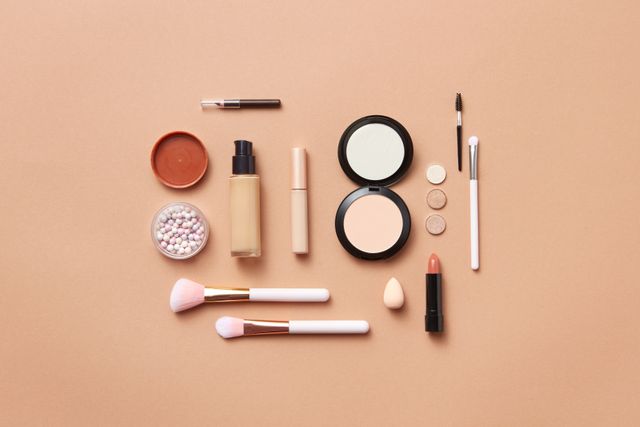
Different skincare and makeup products have different ingredients and formulas. Some are water-based, while others contain more silicones or oils. These formulas don’t always layer well together. Instead of forming one smooth, even layer on your skin, they can separate, slide around, or roll into tiny flakes.
Modern products often contain a mixture of water, silicones, and oils, so compatibility depends on the overall formulation—not just one ingredient.
When products aren’t compatible, your foundation may start separating, rolling into little flakes (pilling), or looking uneven throughout the day.
4. Application technique
Even the best foundation can’t perform well if applied incorrectly. When you apply too much at once, it becomes harder for the product to blend evenly. Thicker layers also collect more easily around pores, smile lines, and dry patches, making the makeup look heavier instead of smoother.
Dragging your sponge or brush across the skin instead of gently dabbing it can move the foundation. This may lead to streaks, patchy coverage, and a less natural-looking finish.
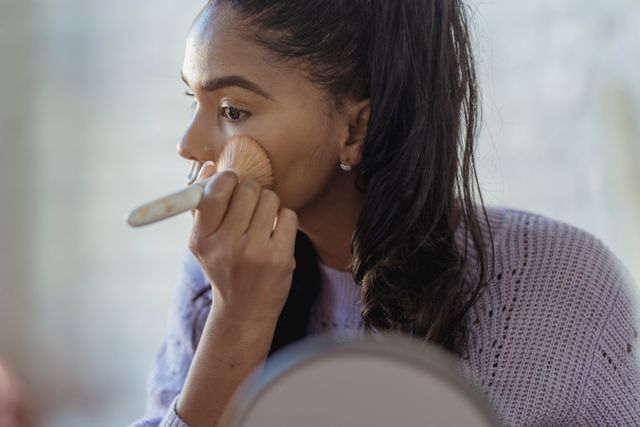
Expert Insight: Professional makeup artists rarely achieve a flawless finish by applying more foundation. Instead, they build coverage only where it’s needed and let the skin show through everywhere else.
5. Your Skin Changes Throughout the Day
Throughout the day, your skin naturally produces oil, moves with facial expressions, and gets affected by heat, humidity, and touching your face. Together, these gradually weaken the foundation layer.
As the foundation shifts, it may start separating around the nose, settle around pores, or look uneven in areas that produce more oil, especially the nose, chin, and forehead.

By now, you understand what affects your foundation. Let’s fix your foundation problem, starting with the most common question.
Why Does My Makeup Look Cakey?
Cakey foundation doesn’t always mean your foundation is bad. It simply means your foundation is sitting on top of your skin instead of blending smoothly into it.
Let’s look at the most common reasons foundation looks cakey.
1. Your skin is dehydrated
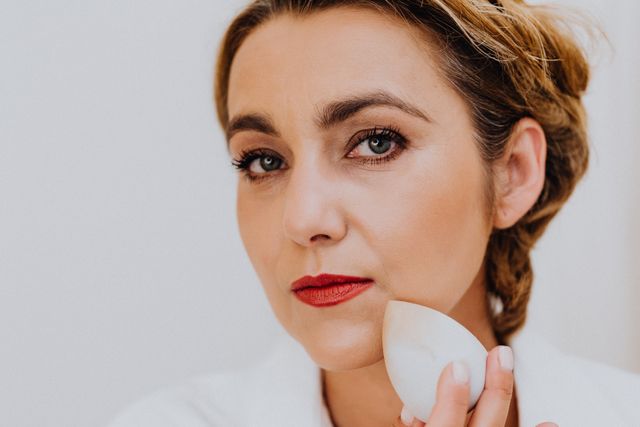
When your skin lacks water, the surface becomes uneven. Instead of forming a smooth layer, foundation clings to rough areas and gathers around dry patches, making it appear thicker than it actually is. Because the skin’s surface is uneven, the foundation can’t form a smooth, flexible layer, making dry patches and texture more noticeable.
Many people think dry skin and dehydrated skin mean the same thing, but they don’t.
– Dry skin is a skin type that naturally produces less oil. Dry skin often makes the foundation cling to flaky areas.
– Dehydrated skin is a temporary condition where your skin lacks water. Even oily skin can become dehydrated. Dehydrated skin can make foundation look dull, tight, or cakey because the skin isn’t holding enough moisture.

Quick signs your skin is dehydrated:
✔ Foundation looks smooth at first but turns dry or cakey after some time.
✔ Skin feels Tight after cleansing, even if it becomes oily later.
✔ Fine lines and texture look more noticeable under foundation.
✔ Skin feels rough or less supple than usual.
What to do:
- Hydrate your skin before makeup with a moisturizer suited to your skin’s needs.
- Look for hydrating ingredients like glycerin, hyaluronic acid, and ceramides.
- Apply moisturizer to slightly damp skin to help retain moisture.
- Let moisturizer and sunscreen settle before applying foundation.
- Avoid piling on skincare or foundation to compensate for dehydrated skin.
- If your skin is also irritated or very dry, focus on repairing it first before trying to perfect your makeup.
2. You’re using more foundation than your skin needs
When makeup doesn’t cover acne marks, dark spots, or redness, the natural reaction is to add another layer. Every extra layer makes the foundation thicker, increasing the chances of it collecting around pores, smile lines, and dry patches instead of blending naturally into the skin.
Robert Welsh often reminds beginners that if your first instinct is to add another layer of foundation, pause for a moment. Ask yourself whether you actually need more foundation, or whether a tiny amount of concealer placed exactly where it’s needed would solve the problem with far less makeup.
What to do:
- Apply one thin layer first.
- Build coverage only where needed.
- Spot conceal instead of adding more foundation everywhere.
3. Using the Wrong Foundation Formula
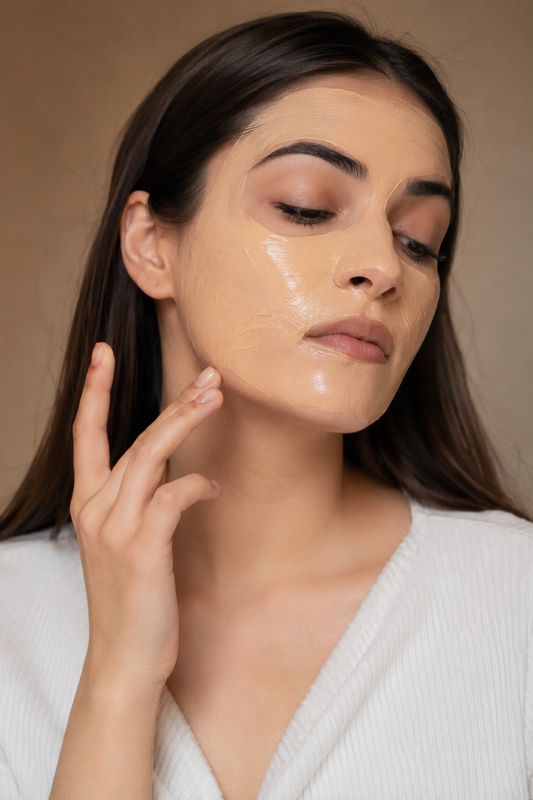
Not every foundation works well for every skin type or skin condition. A foundation that works beautifully on one person may look dry, patchy, or greasy on someone else.
For example, a matte foundation isn’t automatically bad. But if your skin is dehydrated, a matte formula can cling to dry patches, emphasize texture, and make your foundation look cakey even if it’s a high-quality product. Choosing a formula that doesn’t match your skin’s current condition makes it harder for foundation to spread evenly and stay smooth throughout the day.
Likewise, someone with very oily skin may find that an overly dewy foundation breaks down more quickly throughout the day.
What to do:
- Choose a formula that suits how your skin is behaving right now, not just your usual skin type.
- If your skin feels dry or tight, go for a more hydrating or natural-finish foundation.
- If your skin gets oily quickly, a lightweight or soft-matte formula may wear better.
- If your foundation keeps looking too dry, greasy, or patchy, the formula may simply not be the right match.
- Test your foundation with your usual skincare and primer before deciding it doesn’t work.
4. Too Much Powder Can Make Foundation Look Heavy
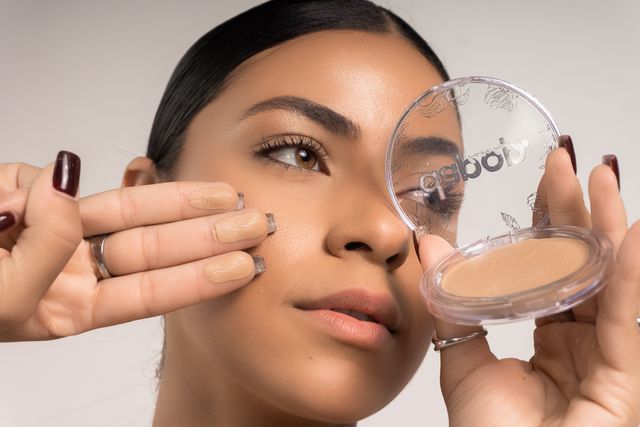
If your foundation looks smooth before applying powder but becomes dry, flat, or heavy afterward, the amount of powder may be the real problem.
Powder helps absorb excess oil and set your foundation in place. However, using more powder than your skin needs can also reduce the fresh, skin-like finish, making the foundation cling to texture and appear drier or more cakey.
Many professional makeup artists recommend setting only the areas that actually need it. Instead of powdering your entire face, concentrate on areas that crease or become oily first. This helps preserve a more natural, skin-like finish.
What to do:
- Apply powder only where you need it.
- Skip heavy baking or bake lightly.
- Finish with a setting spray to help all the makeup layers blend.
5. You’re using the wrong application technique
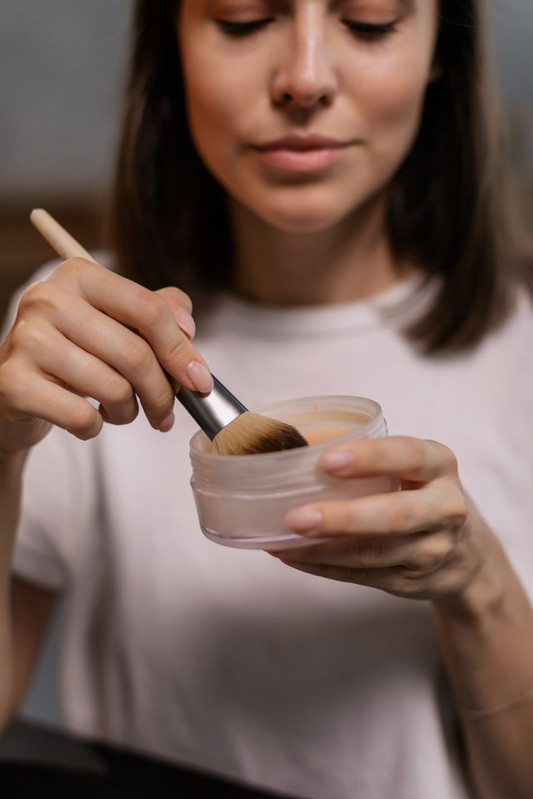
Small technique mistakes can quickly turn a beautiful formula into a cakey finish. Common mistakes include:
- Applying too much foundation at once, making it harder to blend evenly.
- Dragging foundation across the skin instead of gently pressing or bouncing it in.
- Going back over areas after the foundation has started to set.
- Adding more foundation instead of using concealer only where extra coverage is needed.
- Overworking the same area, which can disturb the layers underneath.
Dragging your sponge or brush across the skin can disturb the foundation layer before it has fully settled. Instead of creating a smooth finish, the foundation is more likely to lift, become patchy, or start separating.
Professional makeup artists usually spend more time blending than applying products. A flawless finish comes from technique, not simply buying a more expensive foundation.
What to do:
- Apply foundation in thin, even layers.
- Press your sponge or brush instead of dragging it.
- Spot conceal instead of layering more foundation.
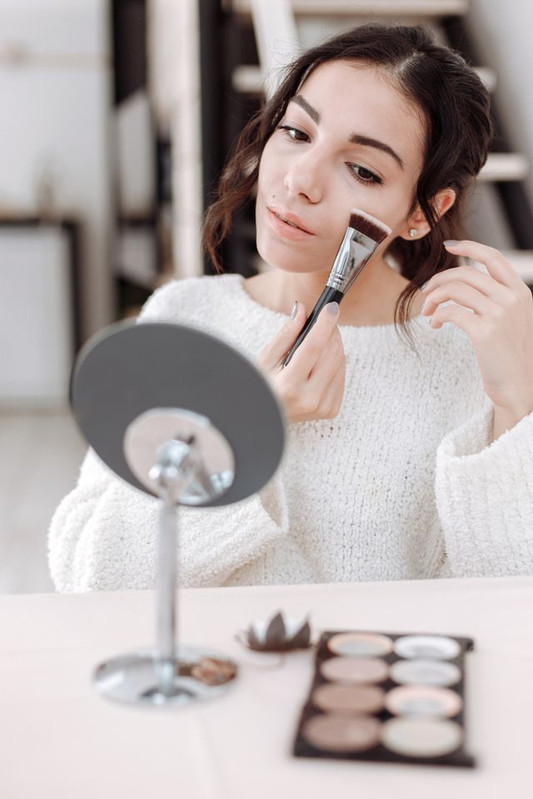
6. Your Skin’s Natural Oil Gradually Breaks Down Foundation
You may have noticed that your foundation looks flawless at first but starts separating around your nose, chin, or forehead a few hours later. One reason this happens is that your skin naturally releases sebum (oil) throughout the day, which is essential for keeping the skin protected and maintaining its moisture balance.
As the foundation layer weakens, it begins collecting around your skin’s natural texture instead of staying evenly distributed. Areas that produce the most oil, especially the nose, chin, and forehead, usually separate first.
This is why many people feel their makeup only looks good for the first 30 minutes before it starts losing its smooth finish.
What to do:
- Blot excess oil first instead of layering more foundation over it.
- Set oil-prone areas lightly with a small amount of powder, especially around the nose, chin, and forehead.
- Touch up only where needed rather than reapplying foundation over your entire face.
- If you get very oily, use an oil-controlling or long-wearing foundation in those areas.
- Avoid constantly touching your face, as this can move and break down your foundation.
- For a quick refresh, press a clean sponge lightly over the area to smooth the base before adding a tiny amount of product.

7. Your Skincare Needs Time to Settle
Applying foundation immediately after skincare can make it harder for your foundation to apply evenly. When the products underneath haven’t had enough time to absorb, foundation can mix with them instead of forming a smooth, even layer on the skin.
What to do:
- Allow your skincare a few minutes to absorb before applying foundation.
- If your skin still feels wet or slippery, wait a little longer before applying makeup.
- Apply foundation only after your skincare feels settled, not tacky or overly wet.
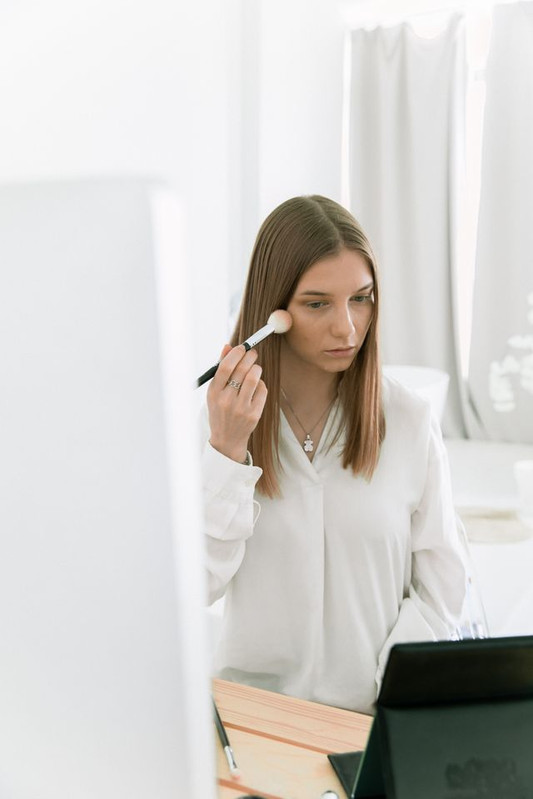
Before we move on to the solutions, there’s one important thing to remember.
Reality Check: What Foundation Can’t Do
It’s natural to want your foundation to look perfectly smooth, especially after seeing flawless makeup online. But those images often involve flattering lighting, beauty filters, camera angles, or professional editing, not just makeup.

Foundation is designed to enhance your skin, not replace it. Your pores, fine lines, acne marks, and natural skin texture are part of real skin. Trying to completely erase them usually leads to applying too much product, which often makes foundation look heavier, cakier, and less natural.
Many viral makeup tutorials are designed for cameras, studio lighting, and filters, not everyday life. Techniques like heavy baking, full-coverage foundation, and dramatic contour often appear softer on camera than they do in person.
Reminder:
Social media filters, lighting, camera lenses, and editing can create unrealistic expectations. Healthy skin naturally has pores, texture, and fine lines. Don’t feel pressured to hide every pore, line, or mark with heavy layers of foundation. Makeup looks best when it enhances your features instead of masking them.
Now that you understand why your makeup looks cakey, patchy, and separates on your face, let’s build a routine to fix makeup separating and make your foundation look smooth.
How to Avoid Cakey Makeup and Get Flawless, Smooth Foundation (Step-by- Step)
At this point, you understand that smooth, flawless foundation isn’t about finding the “perfect” product. It’s about giving your foundation the right conditions to look and perform its best. Let’s turn that understanding into a simple routine that helps you get the most out of your foundation every time you apply it.
Step 1: Start With Well-Prepared Skin
Your foundation can only look as good as the skin underneath it. Before applying foundation:
- Cleanse away excess oil, sweat, and leftover skincare.
- Moisturize according to your skin type. Your skin should feel comfortable, not greasy.
- Apply sunscreen during the day and allow it to settle.
- Wait 2–5 minutes before moving on to primer or foundation so each layer has time to absorb.
- Exfoliate gently once or twice a week if dead skin buildup is making foundation cling to dry patches.
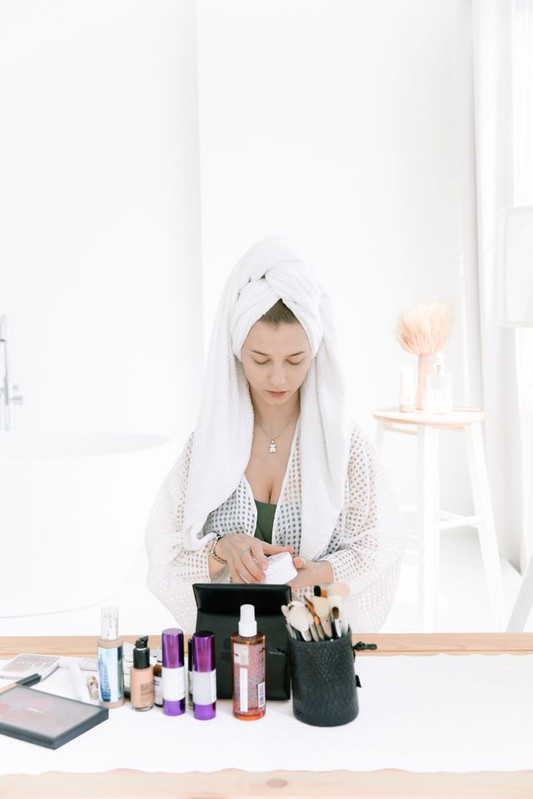
Step 2: Choose Products That Match Your Skin Type
| If your skin is… | Foundation | Primer | Blush, Bronzer & Contour | Setting Powder |
| Dry | Hydrating or luminous finish | Hydrating primer | Cream or liquid formulas | Pressed powder, lightly applied only where needed |
| Oily | Lightweight, matte or long-wearing | Mattifying primer | Powder formulas (or long-wearing liquid formulas) | Loose setting powder, focusing on the T-zone |
| Combination | Satin or natural finish | Oil-control primer on the T-zone (if needed) | Cream or liquid on drier areas, powder on the T-zone if needed | Light dusting of powder on the T-zone |
Read: Beginner’s makeup guide to build your first makeup kit.
Tip:
Try to keep your complexion products in similar finishes. For example, if you’re using a dewy foundation, cream or liquid blush and bronzer usually blend more seamlessly. If you’re wearing a matte foundation, powder products often give a more balanced finish.
Step 3: Apply Foundation in Thin, Even Layers
For a smoother, more natural-looking finish:
- Start with 1–2 pumps of foundation. Add more if needed.
- Blend it evenly across your face using a foundation brush or, for a more seamless finish, a damp beauty sponge.
- If you have dark circles, acne marks, or pigmentation, apply a color corrector first (only where needed). This helps neutralize discoloration so you won’t need as much foundation.
- After foundation, use concealer only where you need extra coverage, such as under the eyes, around the nose, or over blemishes.
- Build coverage gradually instead of applying one thick layer.
- Press or bounce your brush or sponge into the skin instead of dragging or wiping it across your face.
- Apply more foundation only on areas where you need extra coverage instead of applying it all over your face.
In this way, you’ll get better coverage with less foundation, helping you avoid a cakey finish while keeping your makeup smooth, natural-looking, and less likely to settle into pores or creases.
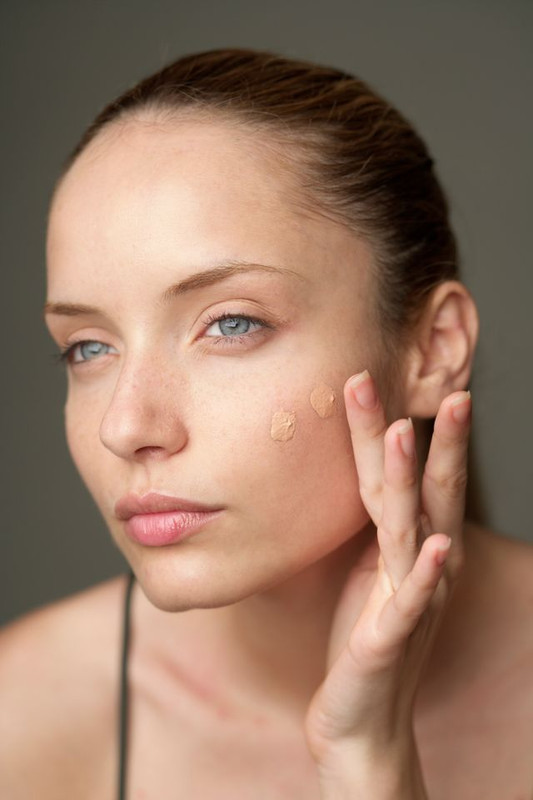
Step 4: Set Your Makeup Without Making It Look Heavy
After creating a smooth base, lock it in without taking away its natural finish. Setting your makeup strategically helps control shine and improve wear time without adding unnecessary texture or making your foundation look cakey.
Dry skin
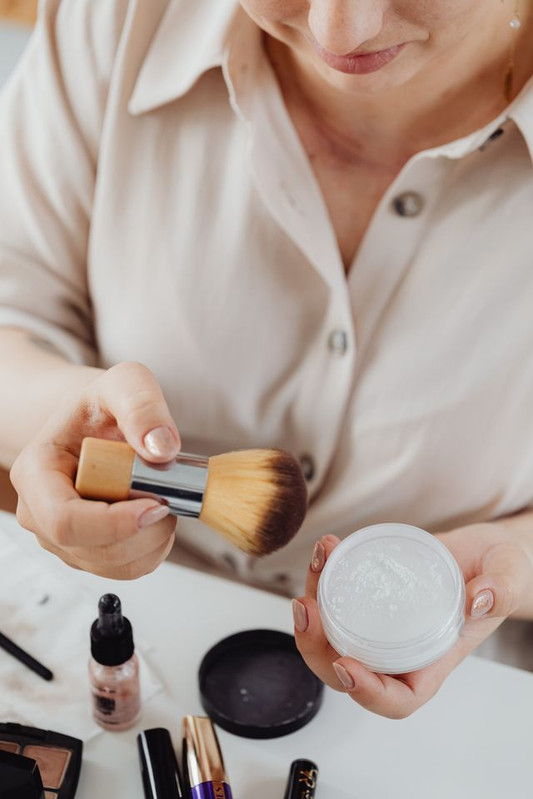
✔ Apply a light layer of powder only to areas that tend to crease, such as under the eyes or around the nose.
✔ Finish with a hydrating setting spray to restore a fresh, skin-like finish.
Oily skin
✔ Focus powder on the T-zone where oil develops most.
✔ Throughout the day, blot excess oil before adding more powder to avoid buildup.
Combination skin
✔ Apply powder only where your skin gets oily, while setting other areas with little or no powder.
✔ Finish with a setting spray to help all the layers melt together.
Step 5: Fix Your Foundation Without Starting Over
If your foundation begins to change during the day, resist the urge to keep layering more product. Avoid applying another full layer of foundation over makeup that’s already breaking down.
| If your foundation… | Try this instead |
| Starts separating | Blot excess oil first, then lightly powder if needed. |
| Looks cakey | Mist with setting spray and gently press with a damp sponge. |
| Looks patchy | Blend the edges before adding more product. |
| Settles into pores | Remove excess product gently and apply only a tiny amount where necessary. |
By following these steps, you will effectively avoid the cakey, patchy makeup and achieve a smooth, flawless finish.
Read: Step-by-step makeup guide for beginners.
H3: PRACTICAL TIPS FROM MAKEUP ARTISTS: Principles for Smooth, Natural-Looking Foundation
After closely analyzing professional makeup artists, one thing becomes clear. They don’t rely on more makeup to fix problems—they rely on better technique. Here are some of the principles they consistently follow.
✔ Let your skin look like skin: Foundation should even out your skin tone, not completely hide your natural texture, pores, or freckles.
✔ Build coverage, don’t paint it on: Apply one thin layer first, then add more only where you genuinely need extra coverage.
✔ Use foundation for skin tone, and concealer for imperfections: Instead of applying heavy layers of foundation everywhere, even out your complexion with foundation and use concealer only on blemishes, redness, or dark spots.
✔ Blend more than you apply: Professional-looking makeup usually comes from patient blending, not using more product.
✔ Prep your skin, not just your makeup: Healthy, well-moisturized skin creates a smoother canvas for the makeup, so artists often spend as much time preparing the skin as they do applying makeup.
✔ Powder strategically: Set only the areas that tend to crease or become oily to maintain a fresh, skin-like finish.
✔ Thin layers are easier to fix than thick ones: If you need more coverage, build it gradually instead of trying to achieve full coverage in a single application.
✔ Step back and assess before adding more makeup: If something doesn’t look right, pause and identify the cause—whether it’s dry skin, excess oil, or product buildup—instead of automatically applying another layer of foundation.
✔ Makeup looks different in real life: For everyday wear, lighter layers and softer application usually create the most natural, flattering finish.
Common Makeup Myths That Affect Your Base
Many makeup frustrations come from advice that’s repeated so often it starts to sound like fact. Let’s separate common myths from what cosmetic science and professional makeup artists actually suggest.
Myth no. 1: More foundation gives better coverage.
Reality: Applying more foundation usually creates a thicker layer that is more likely to look cakey, settle into pores, and separate throughout the day.
Do this instead: Apply one thin layer of foundation, then use concealer only where you need extra coverage.
Myth no. 2: More moisturizer will always fix cakey makeup.
Reality: While dehydrated skin needs hydration, using too much moisturizer can prevent foundation from gripping the skin properly and may lead to pilling or separation.
Do this instead: Apply the right amount of moisturizer and let it absorb before applying makeup.
Myth no. 3: Powder is bad for your makeup.
Reality: Powder isn’t the problem—using too much or applying it where you don’t need it is. When used correctly, it helps control oil and improves wear time.
Do this instead: Lightly set only the areas that become oily, such as the T-zone.
Myth no. 4: Expensive foundation will never look cakey.
Reality: Even a high-end foundation can look cakey if your skin isn’t properly prepped or your products don’t work well together.
Do this instead: Application technique usually makes a much bigger difference than price.
Myth no. 5: Silicone-based primers should always be avoided.
Reality: Silicone itself isn’t the problem. Many silicone-based primers work beautifully with foundation. What matters most is whether your products are compatible overall.
Do this instead: Test how your primer and foundation work together before applying them directly to the skin.
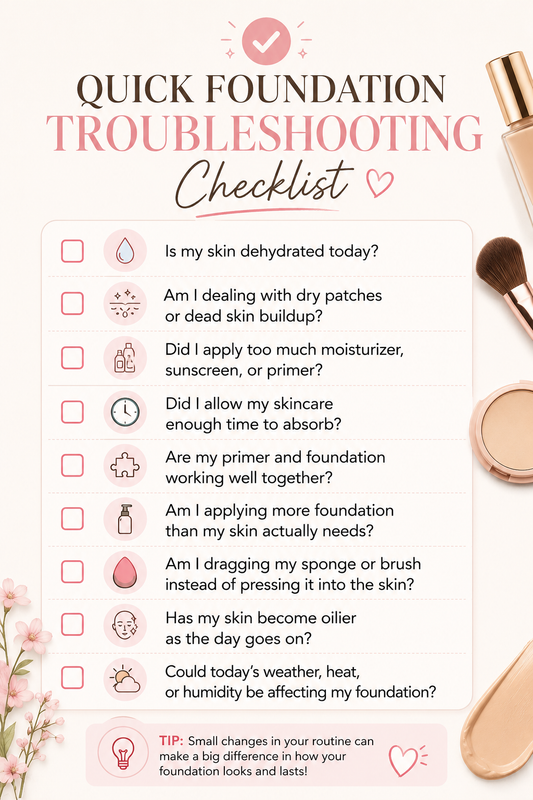
Quick Foundation Troubleshooting Checklist
Final Takeaway
If you’ve been wondering, “Why does my makeup look cakey?” your foundation may not be the real problem. In most cases, it’s the result of how your skin, skincare, products, and application work together. Once you understand the real cause and make a few thoughtful adjustments, achieving a smoother, more natural-looking, flawless foundation becomes much easier.
FAQs
1. Why does my makeup only look good for 30 minutes?
If your makeup looks great at first but quickly becomes patchy or starts separating, your skin is usually changing throughout the day. Natural oil production, heat, humidity, and facial movement gradually weaken the foundation layer. Proper skin prep, compatible products, and strategic setting can help your foundation stay smooth for longer.
2. Why does foundation separate around the nose first?
The nose is one of the oiliest areas of the face because it contains more active oil glands. As sebum builds up, it breaks down foundation faster than other areas, causing foundation to separate around the nose first. Blot excess oil and apply powder only where needed can help reduce separation.
3. Why does my foundation look dry even after applying moisturizer?
Moisturizer alone doesn’t always solve the problem. Your skin may be dehydrated, you may be using a matte foundation that’s too drying for your skin, or your skincare may not have had enough time to absorb before makeup application. Choosing products that suit your skin type and allowing each layer to settle can help create a smoother finish.
4. Can oily skin have cakey makeup?
Yes. Cakey makeup isn’t limited to dry skin. Applying too much foundation or powder, layering products heavily, or touching up with more makeup instead of blotting excess oil can all make foundation look thick and uneven on oily skin.
5. Why does my foundation settle into pores?
Foundation doesn’t actually sink into your pores. Instead, it gathers around your skin’s natural texture as oil, facial movement, and excess product gradually disturb the foundation layer. Applying thin, even layers and avoiding excess product helps reduce this effect.
6. Why doesn’t my makeup look like it does on social media?
Many photos and videos online are enhanced with beauty filters, studio lighting, camera lenses, and editing. Even professionally applied makeup shows visible pores and skin texture up close. Great makeup enhances your natural skin—it isn’t meant to create perfectly filter-like skin.
Found this article helpful? Share it with someone you care about.
Stay radiant! Catch you in the next article.
Continue Reading
How to Clean Makeup Brushes and Sponges: A Complete Guide 2026
A practical beginner’s guide to ‘how to clean makeup brushes and sponges,’ covering the right…
Why Does My Makeup Look Cakey, Patchy, Dry, or Separated? Here’s How To Avoid Cakey Makeup and Make Foundation Look Smooth
A complete makeup guide to ‘why does my makeup look cakey, ‘ breaking down common causes…

How To Apply Makeup Step-by-Step for Beginners | Beginner Makeup Guide 2026
A beginner’s makeup guide showing how to apply makeup step-by-step for beginners, with the right…

Makeup for Beginners: The Ultimate Guide To Building Your First Makeup Kit
The makeup for beginners guide explains which products you actually need, how to choose formulas…

10 Foods for Clear Skin: A Science-Backed Guide to Healthier, Glowing Skin
A science-backed guide to 10 foods for clear skin, exploring how the right nutrients can…

10 Gut-Friendly Foods I Eat to Heal My Gut (Science-Backed Guide)
A science-backed guide to gut-friendly foods, how they support your gut microbiome, and simple ways…
Explore Our Categories
Skincare Insights

Discover the science behind healthy skin with science-backed insights on skincare ingredients, routines, and skin health.
Beauty Inside-out
.png)
Understand how nutrition, lifestyle, and wellness support healthy skin, stronger hair, and beauty from within.
Makeup Guide

Practical makeup guidance to help you choose products, improve application, and use cosmetics safely with confidence.
Pingback: How To Apply Makeup Step-By-Step For Beginners| Beginner Makeup Guide 2026
Pingback: Makeup For Beginners: The Ultimate Guide To Building Your First Makeup Kit