

A science-backed guide to 10 foods for clear skin, exploring how the right nutrients can support healthier skin, reduce inflammation, and promote a natural glow from within.
Does your skin still look dull, tired, congested, or constantly breaking out despite ‘good skincare’?
The food you eat plays a major role in your skin health. Factors like nutrition, inflammation, gut health, and hydration can strongly influence how your skin looks and feels.
Certain foods are packed with nutrients that help calm inflammation, support collagen production, strengthen the skin barrier, and nourish the gut. As you consistently include these foods in your diet, your skin can gradually become clearer, calmer, and more naturally radiant.
In this guide, we’ll explore the 10 best foods for clear skin and how they help support clearer, healthier, and naturally glowing skin from within.
Your Skin Reflects What You Eat
What happens inside your body often affects how your skin looks on the outside. Even the best skincare routine cannot fully compensate for a poor diet, chronic stress, lack of sleep, or ongoing inflammation.
Skincare products mainly work on the surface of your skin. However, proper nutrition, hydration, sleep, and overall internal health also play an important role in healthy, radiant skin.
Learn: Fall skincare routine for glowing skin.

Healthy skin relies on several key factors working together:
- balanced blood sugar
- low inflammation
- proper nutrient intake
- healthy hormone function
- and a balanced gut microbiome
When any of these become disrupted, your skin often shows the signs first through breakouts, dullness, redness, sensitivity, excess oil production, or premature aging. This is why incorporating good foods for healthy skin into your daily diet is just as important as your skincare routine.
Gut Issues And Skin
Your gut and skin are closely connected through what researchers call the ‘gut-skin axis’. When the gut microbiome is balanced, it helps regulate inflammation, support the immune system, and maintain healthier skin function.

On the other hand, poor gut health caused by stress, processed foods, poor sleep, or antibiotics may contribute to skin issues like acne, irritation, and sensitivity. Certain foods can help support a healthier gut environment, which may also positively affect the skin over time.
Read the full guide 👉 The gut-skin axis to understand how your gut health affects your skin and causes acne.
Inflammation and Skin Problems
Inflammation is one of the biggest underlying factors behind many common skin concerns, including acne, redness, uneven texture, and premature skin aging.

Highly processed foods, excess sugar, and unhealthy fats can increase inflammatory signals in the body. Over time, this can weaken the skin barrier, break down collagen, and trigger excess oil production that contributes to breakouts. Anti-inflammatory foods can help calm inflammation and support clearer, healthier-looking skin over time.
Blood Sugar Spikes and Skin Issues
Your blood sugar levels also influence how your skin behaves. Frequent spikes caused by sugary foods and refined carbohydrates can trigger insulin and affect hormones like IGF-1, which are involved in oil production.
Consistent blood sugar spikes may contribute to acne breakouts, oily skin, inflammation, and faster skin aging. This is why choosing foods that help keep blood sugar stable will also support healthier skin over time.

Now let’s uncover foods for healthy, glowing skin.
10 Foods For Clear Skin
Different foods support your skin in different ways. Some help reduce inflammation, some support collagen production, while others help balance oil production, strengthen the skin barrier, and improve hydration.
Here are some of the best foods for your skin:
1. Omega-3 Rich Foods
Omega-3s are healthy fats best known for their powerful anti-inflammatory effects.
Omega-3 helps:
- reduce inflammation
- strengthen the skin barrier
- improve skin hydration and softness
- help manage acne breakouts
- slow collagen breakdown
What Omega-3s Actually Do For Your Skin:
Your skin is constantly exposed to inflammatory triggers like UV rays, pollution, stress, and a poor diet. Omega-3s are one of the most effective nutrients for managing that inflammation before it shows up on your face as breakouts, redness, or accelerated aging.
Omega-3-rich foods help calm inflammation inside the body, reduce excess oil production, and support healthier skin from within.
Some studies have even found that people with acne tend to have lower Omega-3 levels, and a 10-week clinical trial showed improvements in acne severity after Omega-3 supplementation.

Omega-3s may also help reduce UV-related damage and support a stronger skin barrier, which helps the skin stay hydrated, balanced, and less reactive.
Learn 👉 What is Skin Barrier and Skin Barrier Damage.
Learn 👉 How to Repair Skin Barrier with an Easy, Science-backed Guide.
Omega-3 fatty acids also slow down visible signs of aging. They help prevent collagen breakdown and reduce the stress that contributes to fine lines and dullness. Thus, Omega-3s make your skin clearer, healthier, and more youthful.
Best Omega-3 Rich Foods for Healthy Skin
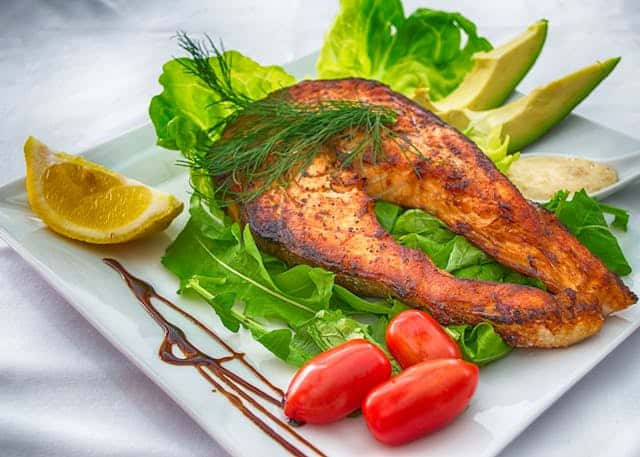
1. Fatty fish: Salmon, mackerel, sardines, and trout are the richest dietary sources of EPA and DHA- the most active forms of Omega-3.
2. Walnuts: The best plant-based sources of Omega-3 fats. Along with ALA (plant omega-3), they also provide vitamin E, selenium, zinc, and antioxidants that help protect the skin from oxidative stress, support the skin barrier, and may help with inflammation-related breakouts.

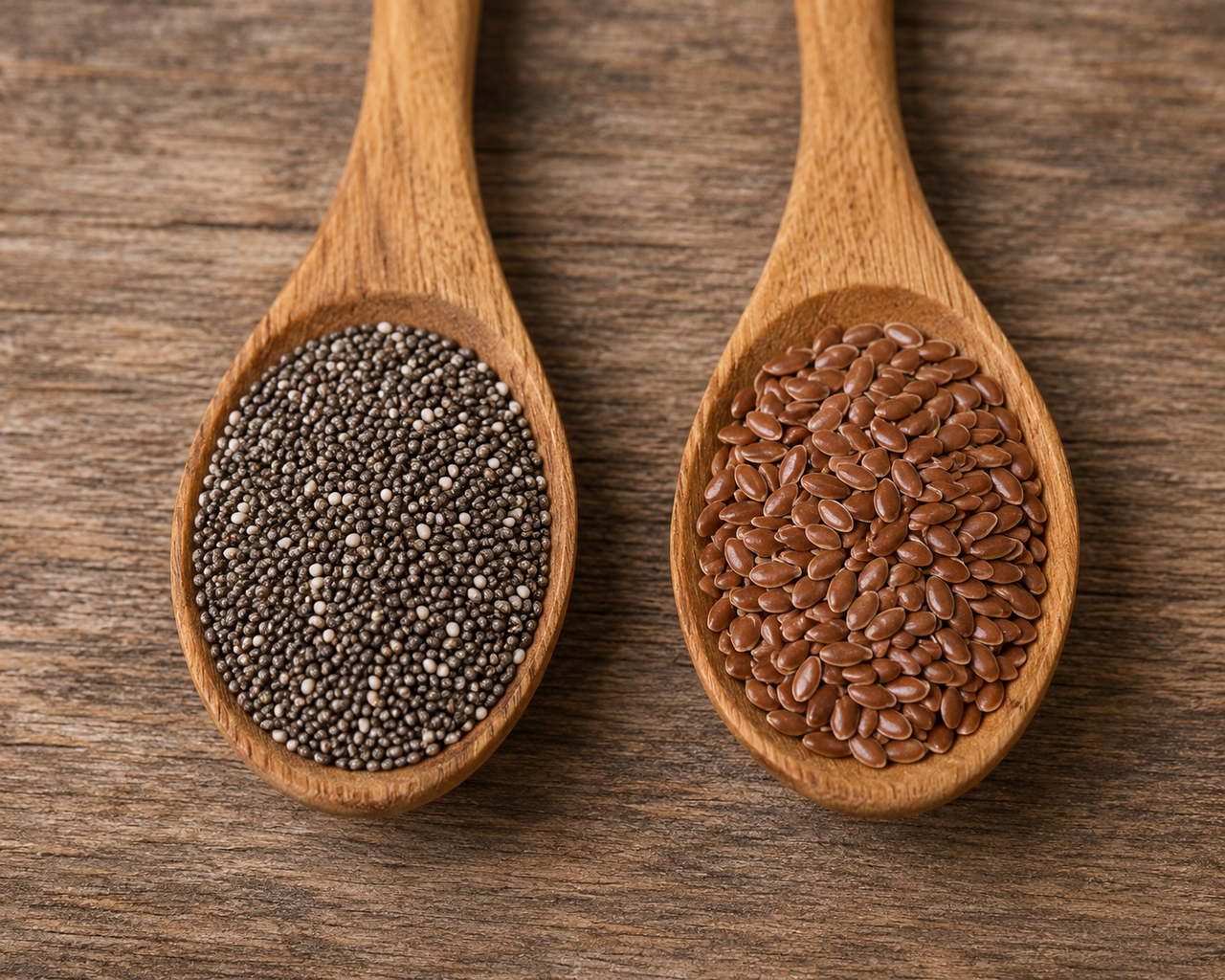
3. Chia seeds and flaxseeds: They are rich in ALA omega-3 and also provide fiber, which supports gut health.
Easy Ways To Add Omega-3 to Your Diet
You don’t need to eat salmon every day. Aim for about 2 servings of fatty fish per week, such as salmon or sardines.
- Grilled fish with vegetables
- Add fish on toast or salads
- Eat the fish with rice bowls or wraps
- Add a small handful of walnuts daily
- Add walnuts, chia seeds, and flaxseeds to oatmeal, yogurt, or salads
- Add walnuts and seeds to the trail mix
- Add flaxseeds or chia seeds to smoothies
One thing to keep in mind: If you eat very little fish and no plant-based omega-3 sources, a high-quality fish oil supplement is worth considering. But food sources should always be the first choice.
2. Vitamin C-Rich Foods
Vitamin C is one of the most important nutrients for healthy, glowing skin.
Vitamin C helps:
- support collagen production
- brighten skin tone
- protect the skin from free radical damage
What Vitamin C Actually Does For Your Skin:
Vitamin C plays a major role in collagen production, helping keep the skin firm, smooth, and youthful. A study found that women who ate more Vitamin C-rich foods had fewer wrinkles and less age-related skin dryness than those with lower intake.

Vitamin C is also a powerful antioxidant that helps protect the skin from oxidative stress caused by UV exposure, pollution, and everyday environmental damage- all of which can contribute to dullness, uneven skin tone, fine lines, and premature aging.
Vitamin C works best when consumed consistently through whole foods. Eating colorful fruits and vegetables regularly can help support brighter, more radiant skin over time.
Best Vitamin C-Rich Foods for Glowing Skin
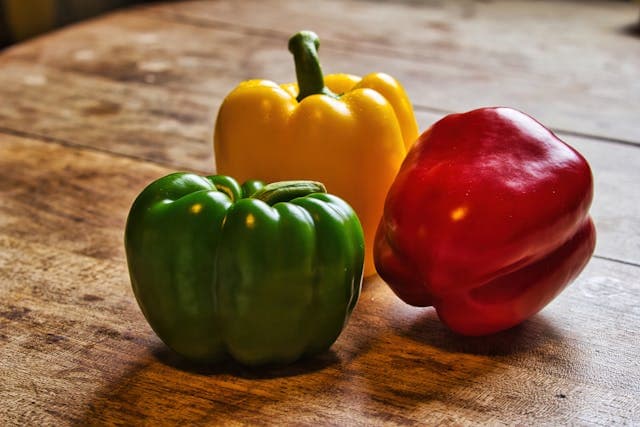
1. Bell peppers: Red bell peppers (particularly) contain more vitamin C per gram than most citrus fruits.
2. Strawberries and kiwi: Both strawberries and kiwi are exceptionally rich in Vitamin C, making them excellent fruits for supporting brighter, healthier-looking skin. Kiwi also provides vitamin K and folate, which support overall skin and cellular health.

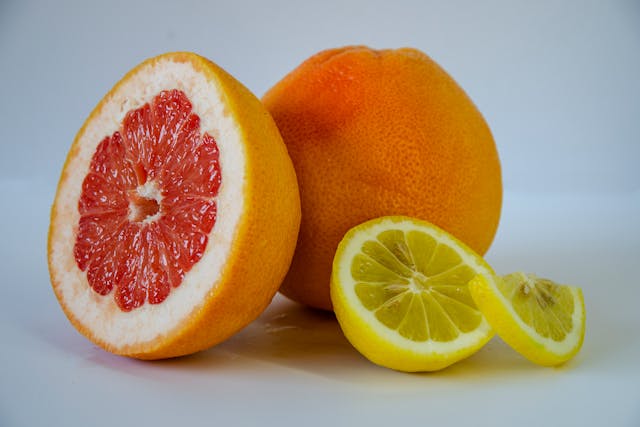
3. Citrus fruits: Oranges, lemons, and grapefruit are classic Vitamin C-rich fruits that help support collagen production and antioxidant protection. Eat the whole fruit rather than juice to get the fiber alongside the vitamin C.
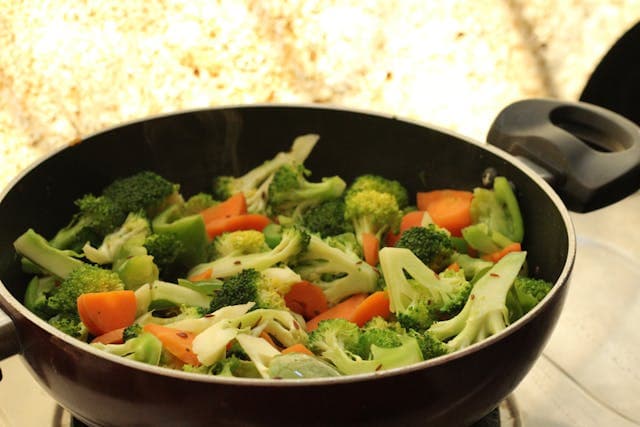
4. Broccoli: Broccoli is one of the most nutrient-dense vegetables for overall skin health. Along with Vitamin C, it contains vitamin K and sulforaphane — a powerful plant compound known for its antioxidant and anti-inflammatory properties. It’s an easy addition to meals and supports both skin health and overall wellness.
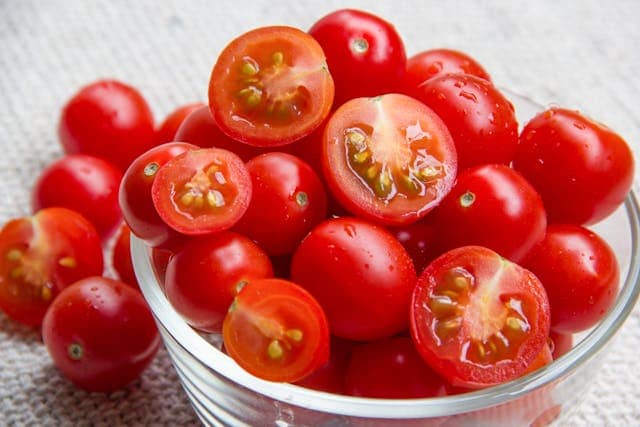
5. Tomatoes: Tomatoes provide both Vitamin C and lycopene. Regularly including tomatoes in your diet may help support clearer, healthier, and more resilient skin over time.
Easy Ways To Add Vitamin C-Rich Foods to Your Diet
- Take Citrus fruits or berries as snacks
- Add Bell peppers to omelets, wraps, or salads
- Include Broccoli in meals or add it to salads
- Add tomatoes to salads, soups, or sandwiches
- Add strawberries to smoothies or Greek yogurt
3. Beta-Carotene Rich Foods
Have you ever noticed that people who eat a lot of colorful fruits and vegetables often have naturally healthy, glowing skin? The reason behind that radiant skin is beta-carotene.
Beta-carotene:
- supports skin cell renewal
- helps maintain smooth, even-looking skin
- provides antioxidant protection
- supports collagen and skin repair
- helps protect against UV-related skin damage
What Beta-Carotene Actually Does for Your Skin
Beta-carotene is the natural red-orange pigment found in brightly colored fruits and vegetables. It converts, inside the body, into Vitamin A- an important nutrient for skin cell turnover, repair, and overall skin health.

Beta-carotene also acts as an antioxidant, helping protect the skin from oxidative stress and everyday environmental damage. It may also help support collagen production, smoother skin texture, and skin brightening.
One of the most interesting things about beta-carotene is that it can gradually enhance the skin’s natural warmth and radiance over time. Unlike tanning from sun exposure, this natural glow comes from nutrient-rich foods and antioxidant support within the body.
Best Beta-carotene Foods For Glowing Skin
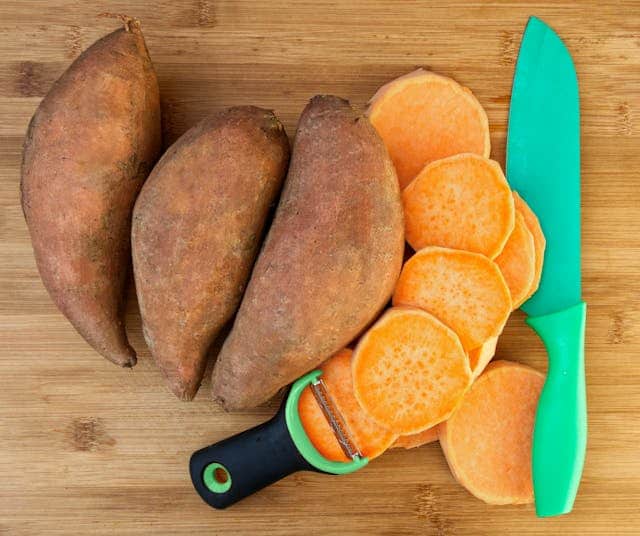
1. Sweet Potatoes: One of the richest natural sources of beta-carotene. Sweet potatoes support skin renewal and healthy skin tone.
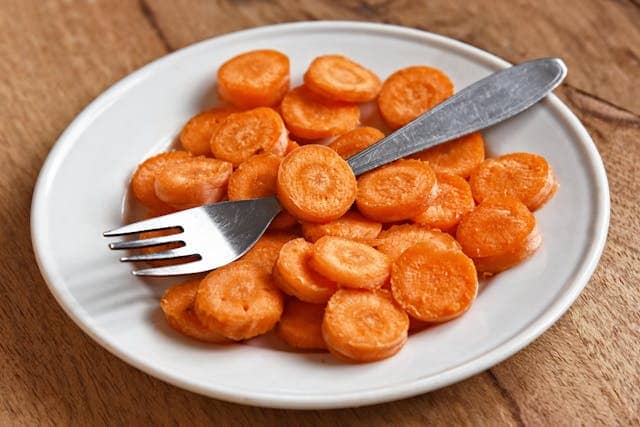
2. Carrots: They are affordable, delicious, and naturally rich in beta-carotene.
3. Pumpkin: A highly concentrated source of beta-carotene that works well in soups, smoothies, oats, or roasted meals.

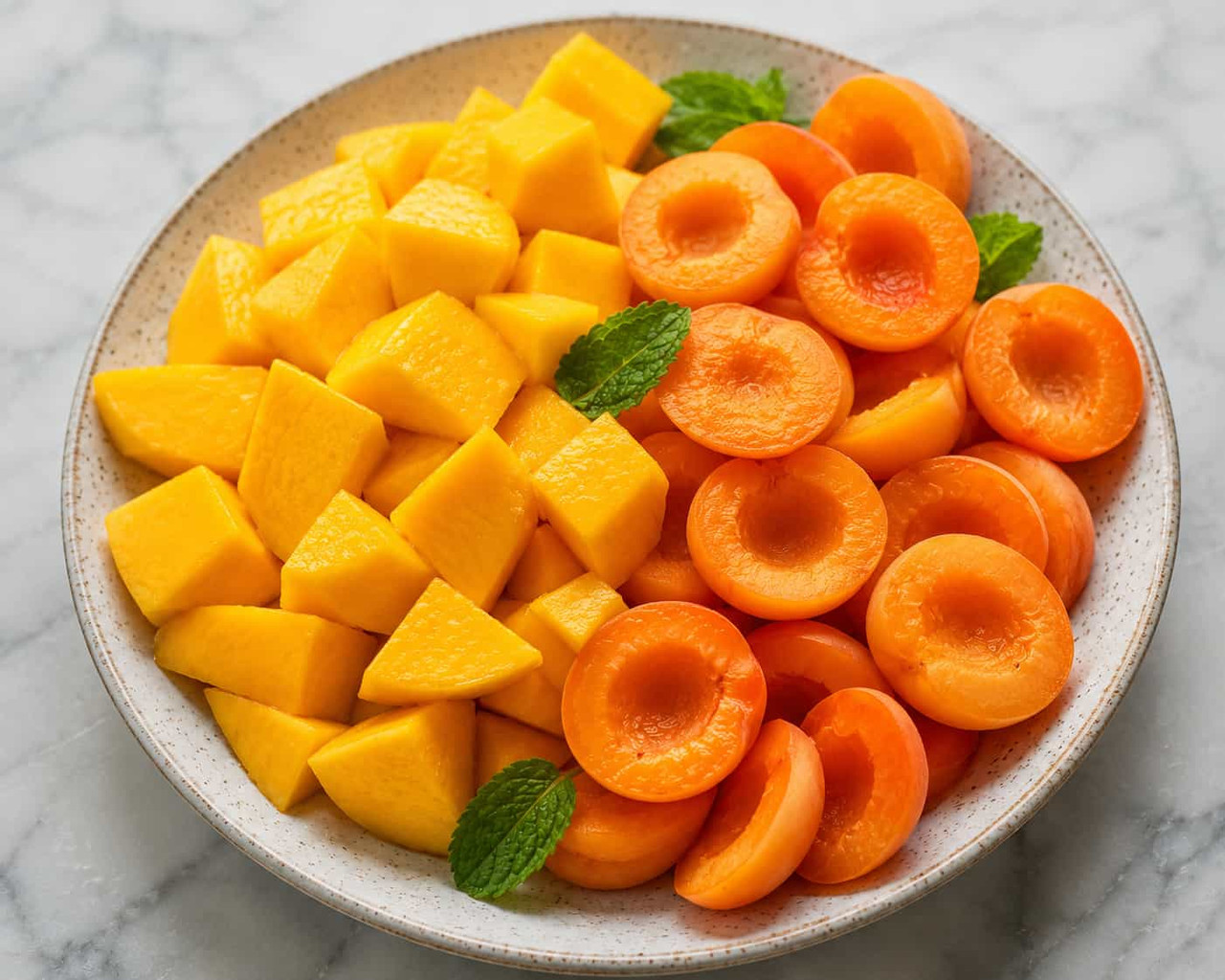
4. Mango & Apricots: Mango and apricots are fruit-based sources of beta-carotene
5. Spinach & Kale: Although they’re green, leafy greens still contain high amounts of beta-carotene.

Easy Ways To Include Beta-Carotene In Your Diet
- Boil sweet potatoes as a side dish or snack
- Add carrots to salads, soups, or wraps
- Blend pumpkin into soups or smoothies
- Eat mango or apricots as snacks
- Add spinach or kale to omelets, curries, smoothies, or pasta dishes
Important Tip: Eat Beta-Carotene with Healthy Fats
Beta-carotene is a fat-soluble nutrient, which means your body absorbs it more effectively when consumed with healthy fats. Adding olive oil, avocado, nuts, or seeds alongside these foods can help your body use beta-carotene more effectively.
4. Antioxidant-Rich Foods
Beta-carotene is actually part of a much larger family of compounds your skin depends on – antioxidants. Antioxidants help:
- protect the skin from free radical damage
- reduce oxidative stress and inflammation
- slow down premature skin aging
- protect collagen from breakdown
- support brighter, healthier-looking skin
- help reduce dullness and uneven skin tone
- support skin repair and recovery
- help protect against UV-related skin damage
What Antioxidants Actually Do For Your Skin
Various environmental and lifestyle factors generate free radicals – unstable molecules that damage your skin cells, break down collagen, and accelerate the aging process. This is where antioxidants become especially important.

Antioxidants help neutralize these free radicals before they can damage your skin. You can think of antioxidants as part of your body’s natural defense system against everyday skin damage. A diet lower in antioxidants can lead to faster collagen breakdown, uneven skin tone, and overall dull skin.
Best Antioxidant-Rich Foods for Glowing Skin
1. Green Tea: Green tea is one of the most well-researched drinks for skin health. It contains catechins and EGCG, antioxidants that help fight oxidative stress, calm inflammation, regulate excess oil production, and protect the skin from UV-related damage. Green tea is especially beneficial for oily or acne-prone skin.

2. Tomatoes: Tomatoes contain lycopene, an antioxidant that helps protect the skin from UV-related damage and may help reduce redness and pigmentation over time. Cooking tomatoes can increase lycopene absorption, especially when combined with healthy fats like olive oil.

3. Dark chocolate ( >75% cocoa): This is rich in flavonoids and antioxidants that help protect the skin from oxidative stress, support healthy blood flow to skin cells, and reduce inflammation. For the best benefits, choose dark chocolate with at least 75% cocoa and minimal added sugar.

4. Berries: Berries, like blueberries, strawberries, raspberries, and blackberries, are among the highest antioxidant foods by weight. They are packed with antioxidants called anthocyanins, which help protect collagen and support brighter, healthier skin. The combination of anthocyanins and vitamin C makes berries one of the best foods for your skin.

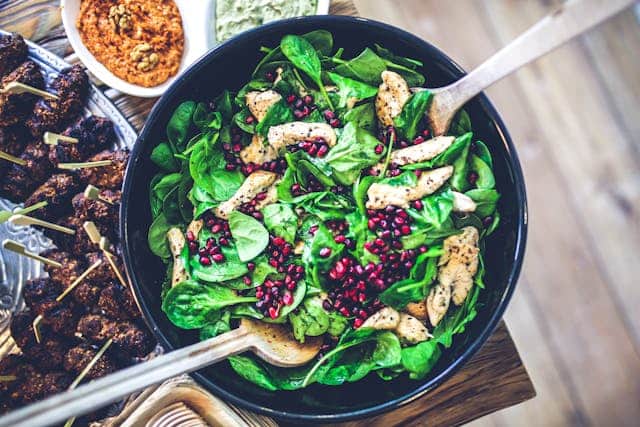
5. Leafy greens: Spinach, kale, and other leafy greens contain a wide range of antioxidants, including vitamins C, E, and K, beta-carotene, and lutein. Leafy greens are among the best foods for healthy skin because they help support skin repair, protect against environmental damage, and provide important antioxidants. If you had to include one food group for healthier skin, leafy greens would be one of the best choices.
How to Include Antioxidant-rich Foods In Your Diet
- Drink 1–2 cups of green tea daily
- Add tomatoes to pasta sauces, soups, salads, and sandwiches
- You can have dark chocolate and berries as a snack
- Blend dark chocolate, leafy greens, or berries in smoothies
- Add berries to oatmeal
- Add leafy greens to soups, curries, wraps, or omelets
5. Protein-Rich Foods
Protein is what actually helps build and repair your skin. Protein helps:
- support collagen production
- help repair and renew skin cells
- maintain skin firmness and elasticity
- support wound healing
- help maintain stronger, healthier-looking skin
What Protein Actually Does For Your Skin
Your skin’s structure — including its firmness, elasticity, and ability to heal — depends heavily on collagen. Collagen is a protein made from amino acids found in the foods you eat.
Lower protein levels may contribute to weaker skin, slower healing, dullness, and loss of firmness. This is why consistently eating enough protein is important not only for clearer skin but also for maintaining healthy, strong, and youthful skin over time. Try to include some protein in every main meal.
Best Protein-Rich Foods for Healthy Skin
1. Eggs: Eggs are complete protein sources and provide the amino acids needed for collagen production. They also contain zinc, selenium, and biotin, which support overall skin health.

2. Greek Yogurt: Greek yogurt is rich in protein and also provides probiotics that support gut health. Plain, unsweetened versions are generally the better option.

3. Lentils & Legumes: Lentils, beans, and chickpeas are nutritious plant-based protein sources that also provide fiber and minerals beneficial for skin health.

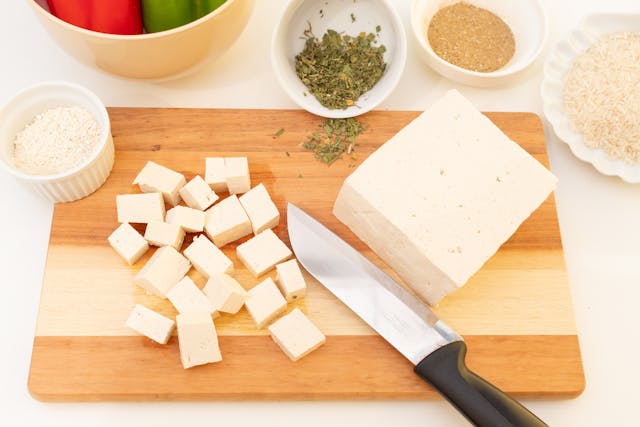
4. Paneer & Tofu: Both paneer and tofu are good sources of protein that help support skin repair, collagen production, and overall skin strength. Paneer also provides calcium and minerals important for overall health, while tofu is a great plant-based option rich in protein and iron.
Important tip:
Some acne-prone people may find that dairy worsens breakouts. In that case, tofu can be a good alternative to paneer.
5. Lean Meat & Fish: Chicken, turkey, and fish provide high-quality protein that supports skin repair and collagen production. Fatty fish are rich in protein along with omega-3 fats.

6. Bone Broth: Bone broth naturally contains collagen, glycine, and amino acids that support skin structure, elasticity, and hydration.

Easy Ways to Add Protein-rich foods to Your Diet
- Include eggs with breakfast or as boiled snacks
- Add Greek yogurt to breakfast bowls or smoothies
- Include lentils, beans, or chickpeas in meals
- Add paneer or tofu to wraps, salads, or curries
- Eat grilled chicken, fish, or lean meat with vegetables, rice bowls, or wraps.
- Add shredded chicken to salads, sandwiches, soups, or pasta dishes
- Use hummus as a snack or sandwich spread
- Use bone broth as a soup base or warm drink
6. Prebiotic and Probiotic
Probiotics are beneficial bacteria that help support and replenish your gut microbiome. Prebiotics, on the other hand, are fiber-rich foods that feed these beneficial bacteria to grow. Together, they help maintain a balanced gut microbiome, which is closely linked to reduced inflammation and clearer, healthier-looking skin.
Best Probiotic Foods:
- Yogurt
- Kefir
- Kimchi
- Sauerkraut
- Kombucha
- Pickles
Easy Ways To Include Probiotics in Diet:
- Yogurt with breakfast or snacks
- Kefir in smoothies
- Small servings of fermented vegetables with meals
Best Prebiotic Foods:
- Oats
- Garlic and onions
- Bananas
- Legumes and lentils
- Asparagus
- Leafy greens
Easy Ways To Include Prebiotics in Diet
- Oats for breakfast
- Bananas or apples as snacks
- Garlic and onions in daily cooking
- Legumes and lentils in meals
Read our 👉 Science-backed guide to gut-friendly foods to learn more about prebiotic and probiotic foods.
7. Healthy Fats
Dietary fats play a critical role in skin health, keeping skin moisturized and strong.
Healthy fats help:
- support the skin barrier
- reduce dryness and dehydration
- keep skin soft and supple
- help reduce inflammation
- support healthier-looking, glowing skin
What Healthy Fats Actually Do To Your Skin
Your skin barrier — the outermost protective layer of your skin — is largely made up of lipids. When your diet is consistently low in healthy fats, that lipid barrier weakens. This can lead to increased moisture loss, making the skin feel dry, irritated, and dehydrated. Moreover, your skin is less equipped to defend itself against pollution, bacteria, and UV damage.

Certain healthy fats also contain anti-inflammatory and antioxidant compounds that help protect collagen, reduce skin irritation, and support overall skin repair. Therefore, getting enough healthy fats through your diet will help support smoother, more supple, and naturally glowing skin.
Best Healthy Fats For Glowing Skin:
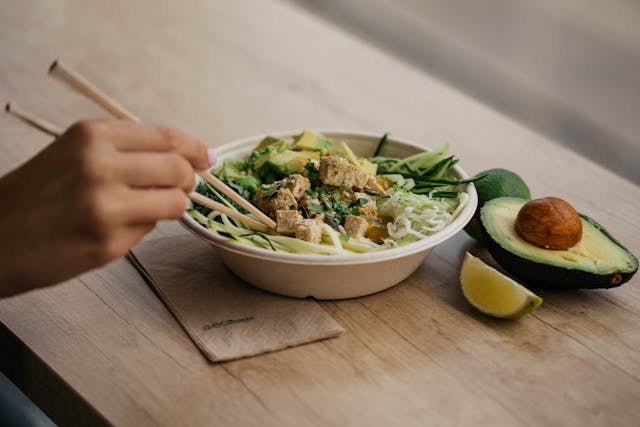
1. Avocado: Avocados are rich in oleic acid, a monounsaturated omega-9 fatty acid that helps strengthen the skin barrier and prevents moisture loss, keeping skin supple and moisturized.
They also contain vitamin E, glutathione, and some amount of vitamin C. Avocados help support the skin barrier, protect against oxidative damage, and keep skin moisturized and supple.
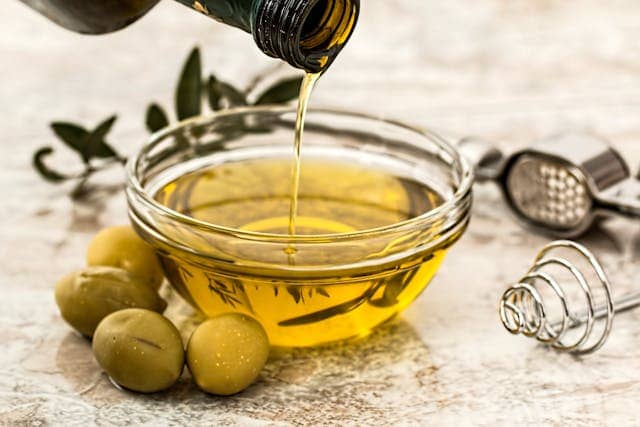
2. Extra virgin olive oil: Olive oil is rich in monounsaturated fatty acids and polyphenols with strong antioxidant, anti-inflammatory, and skin-regenerative properties. This supports skin barrier function and reduces inflammation.
3. Nuts and seeds: Walnuts, almonds, sunflower seeds, chia seeds, and flaxseeds all provide a combination of healthy fats, vitamin E, and zinc that collectively support skin barrier, calm inflammation, and protect against oxidative stress.

Easy Way To Include Healthy Fats In Your Diet:
- Use olive oil as your primary cooking oil
- Drizzle extra virgin olive oil over salads, roasted vegetables, and grains daily.
- Add avocado to toast, wraps, salads, or sandwiches
- Add nuts and seeds to trail mix
- Sprinkle nuts and seeds over salads, smoothie bowls, yogurt, or oatmeal
8. Zinc-Rich Foods (good for Acne-Prone Skin)
Zinc is one of the most important nutrients, especially for acne-prone skin. Zinc helps:
- the skin to heal properly
- regulate excess oil production
- reduce inflammation
- support acne control
- support the immune system
- support collagen and skin repair
What Zinc Actually Does For Your Skin
Research has found that people with acne often tend to have lower zinc levels, and lower zinc status may be linked with more severe breakouts. This matters because zinc plays a role in controlling inflammation and regulating sebaceous glands.
Lower levels of zinc may lead to inflamed skin, more oil production, and slower skin healing. This is one reason why acne marks and redness can sometimes linger for longer.
Moreover, zinc supports skin healing and collagen formation, which makes it beneficial for overall skin health.
Best Zinc-Rich Foods for Clear Skin
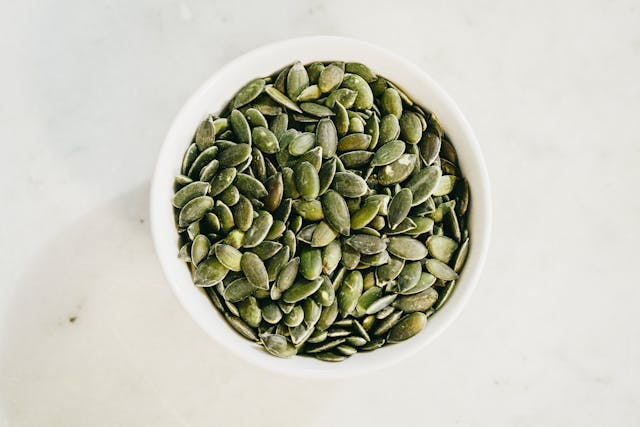
1. Pumpkin seeds: One of the richest plant-based sources of zinc. Pumpkin seeds also provide magnesium and healthy fats that support overall skin health.
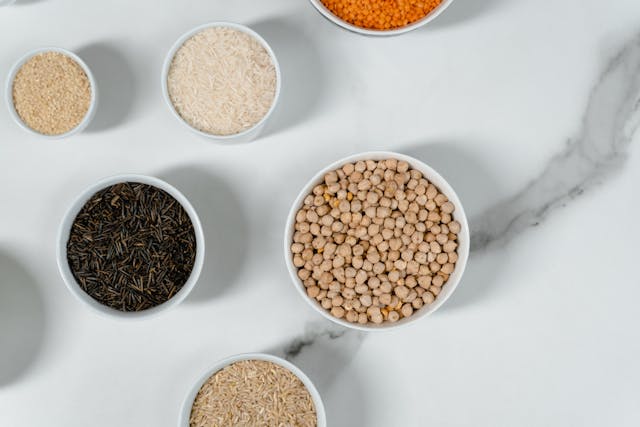
2. Lentils and chickpeas: Lentils and chickpeas provide zinc along with fiber and plant protein, making them beneficial for both gut and skin health.
3. Eggs: Eggs provide zinc alongside protein, selenium, and amino acids needed for skin repair and collagen support. Eggs are one of the most complete skin-supporting foods overall and are easy to include in your daily diet.

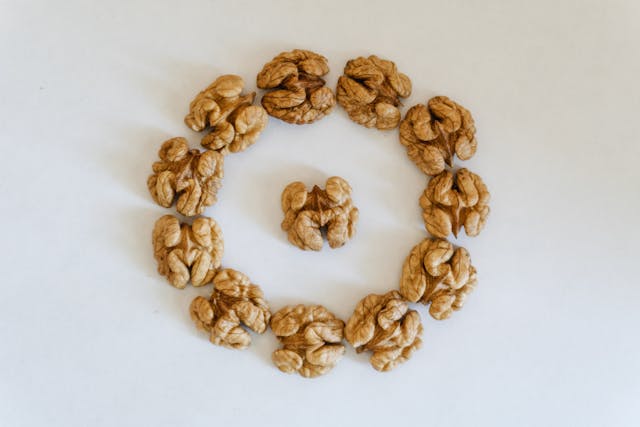
4. Walnuts: Besides omega-3 fats, walnuts contain zinc and antioxidants that help support calmer, healthier-looking skin.
5. Sunflower seeds: Sunflower seeds are rich in zinc, vitamin E, and healthy fats, which help protect the skin from oxidative stress and environmental damage.

6. Oysters: Oysters are the richest natural dietary source of zinc. Even occasional intake can help support healthy zinc levels.

How To Include Zinc-rich Foods In Your Diet
- Add pumpkin or sunflower seeds to oatmeal, yogurt, salads, or trail mix
- Include lentils or chickpeas in curries, soups, salads, or wraps
- Eat eggs with breakfast, in omelets, or as boiled snacks
- Snack on a small handful of walnuts during the day
- Add hummus or roasted chickpeas as easy high-zinc snacks
- Include seafood like oysters occasionally if you eat animal-based foods
9. Low Glycemic Foods for Acne Control
One of the biggest dietary triggers behind acne and excess oil production is unstable blood sugar. Low-glycemic foods help:
- keep blood sugar more stable
- reduce insulin spikes
- help regulate excess oil production
- reduce inflammation linked with acne
- support clearer and more balanced skin
What Low-glycemic Foods Actually Do For Your Skin
As we discussed earlier, high-glycemic foods increase insulin and IGF-1 levels. This can stimulate oil production and certain hormones linked with acne development.
Low-glycemic foods digest more slowly. This helps keep blood sugar levels stable and reduces sudden insulin spikes. Low-glycemic diets may also help improve acne by reducing inflammation, insulin spikes, and excess oil production.
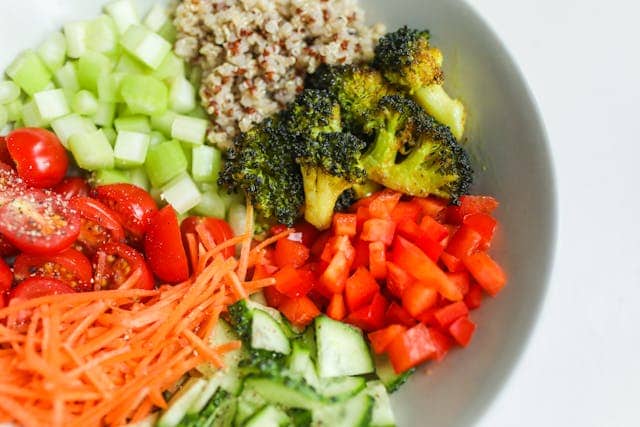
In a clinical trial, participants following a low-glycemic diet showed greater improvements in acne severity compared to those eating a higher glycemic diet. Over time, low-glycemic foods may help your skin feel calmer, more balanced, and less prone to breakouts.
Best Low-Glycemic Foods For Clear Skin
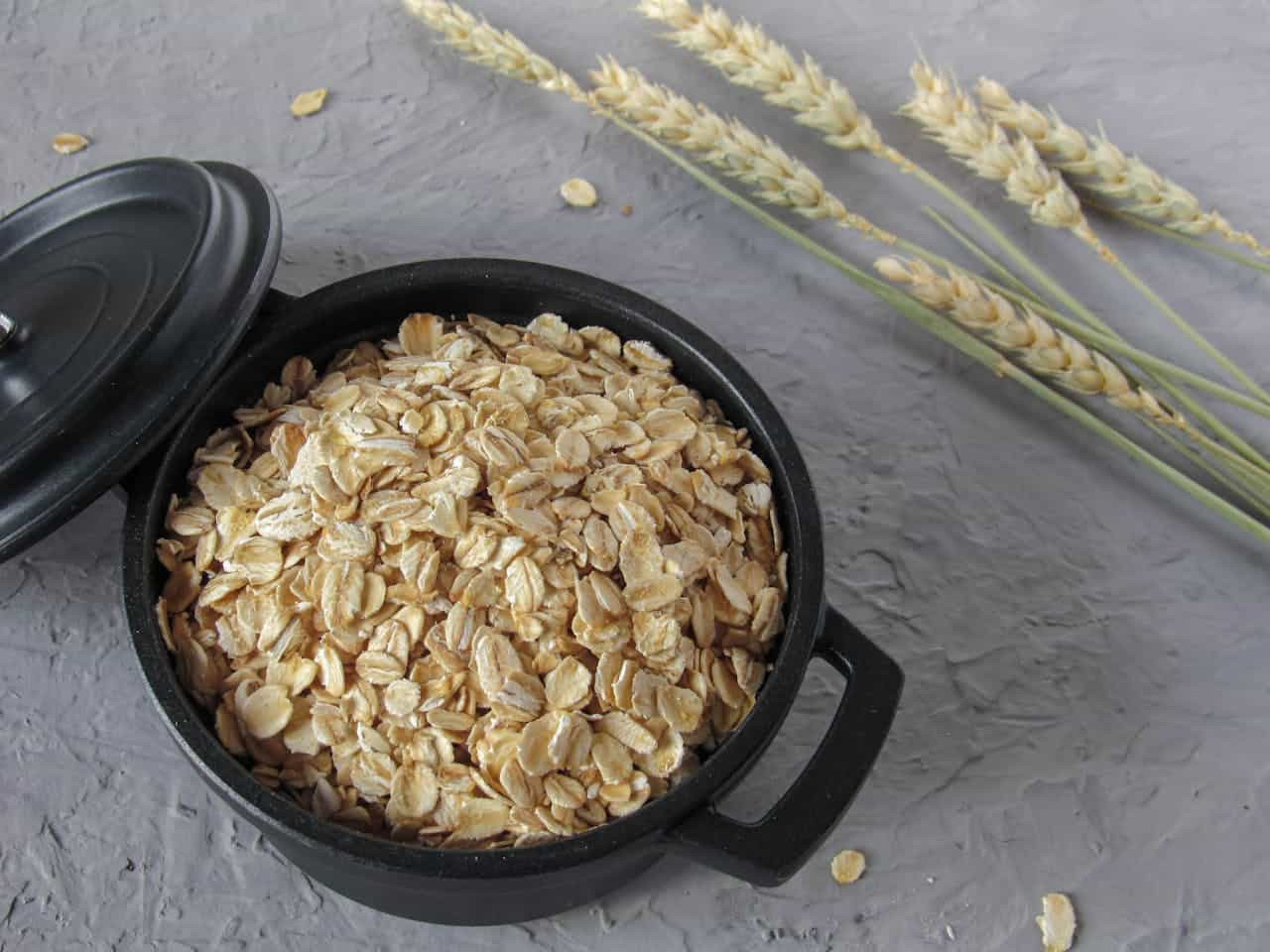
1. Oats: Oats are rich in fiber and digest slowly, helping provide steady energy without major blood sugar spikes.
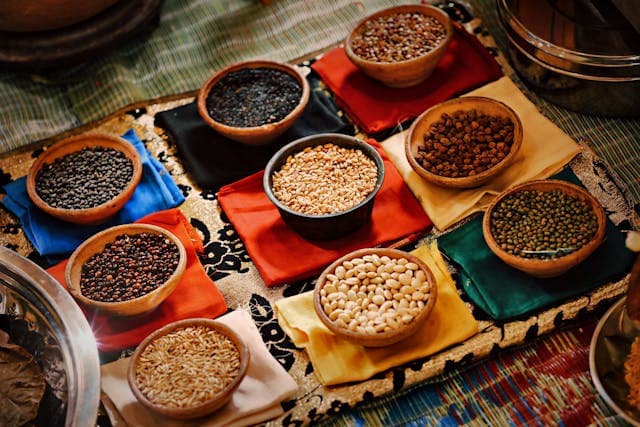
2. Lentils and legumes: Chickpeas, lentils, black beans, and kidney beans all have a low glycemic index and are high in protein and fiber.
3. Quinoa: Quinoa is a complex carbohydrate that also provides protein and minerals, making it a more balanced option compared to refined grains (white rice or bread).

4. Non-starchy vegetables: Broccoli, spinach, zucchini, cucumber, bell peppers, and leafy greens have a minimal glycemic impact while delivering vitamins, antioxidants, and fiber, which your skin needs.

5. Berries: Despite being sweet, berries have a relatively low glycemic index because of their high fiber and anthocyanin content.

Easy Way To Add Low-glycemic Foods To Your Diet
- Swap sugary cereals for overnight soaked oats
- Replace white bread or refined carbs with whole grains or quinoa
- Include lentils, beans, or chickpeas in meals regularly
- Snack on berries, nuts, or yogurt instead of sugary snacks
- Add more vegetables and leafy greens to lunch and dinner
- Choose whole fruits instead of fruit juices or soda
- Build balanced meals with protein, fiber, healthy fats, and complex carbs together
10. Water-Rich Foods for Hydrated, Plump Skin
Hydration plays an important role in maintaining healthy-looking skin.
Water-rich foods help:
- support skin hydration
- reduce dryness and dullness
- help skin appear more plump and supple
- support the skin barrier
- contribute to healthier-looking skin overall
What Water-rich Foods Do For Your Skin
When the body is dehydrated, skin can appear dull, dry, tired, and less supple. Dietary water intake may help support skin moisture, elasticity, and overall skin function.
Water-rich fruits and vegetables can help support hydration while also providing vitamins, minerals, antioxidants, and electrolytes that benefit the skin.
Best Water-Rich Foods for Glowing, Hydrated Skin:
1. Cucumber: Cucumber has over 95% water content with almost no glycemic impact. It also contains silica (a compound that supports connective tissue and skin elasticity), antioxidants, and small amounts of Vitamin C.

2. Watermelon: Watermelon contains roughly 92% water and is also a source of lycopene (an antioxidant) and vitamins A and C. That makes watermelon one of the few hydrating foods that simultaneously delivers antioxidant protection.

3. Oranges and citrus fruits: Citrus fruits provide hydration and Vitamin C, making them beneficial for supporting collagen and overall skin health.

4. Celery: Celery has high water content, a low glycemic index, and contains natural electrolytes that support cellular hydration.

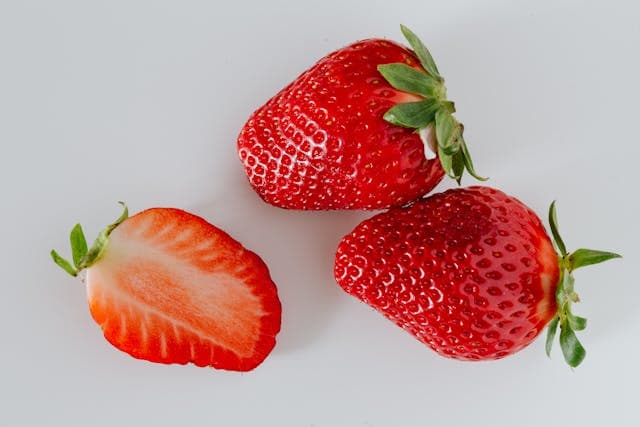
5. Strawberries: Strawberries also have high water content, along with high vitamin C and antioxidants.
6. Leafy greens: Spinach and lettuce are both over 90% water. Leafy greens hydrate the skin, provide antioxidants, feed gut bacteria, and have a near-zero glycemic impact.

Easy Ways to Add More Water-Rich Foods to Your Diet
- Add cucumber to salads, sandwiches, and wraps
- Snack on watermelon, oranges, or strawberries during the day
- Include fruit bowls with breakfast or yogurt
- Blend hydrating fruits into smoothies
- Add celery or cucumber sticks with hummus as snacks
- Include soups, salads, and fresh vegetables regularly with meals
- Replace sugary drinks with water-rich foods or herbal teas

Worst Foods for Your Skin
Frequent intake of certain foods may contribute to inflammation, blood sugar spikes, excess oil production, and breakouts in some people.
- Sugary drinks and refined sugar
- Ultra-processed foods
- Refined carbohydrates like white bread and pastries
- Fried foods and omega-6 heavy vegetable oils
- Excess fast food and packaged snacks
Food Habits for Healthy Skin
These simple habits will help keep your skin clear and healthy over time.
- Don’t overhaul your diet overnight. Start by adding one or two skin-friendly foods at a time. Small changes are easier to maintain and usually work better long-term than extreme diets.
- Pair every carb with protein, fat, or fiber. This will stabilize your blood sugar, reduce insulin spikes, and directly lower your risk of breakouts.
- Add a variety of fruits and vegetables to your daily diet. Different colorful fruits and vegetables provide antioxidants and nutrients that help support healthy skin.
- If your diet is low in fiber, increase it slowly to avoid bloating or digestive discomfort.
- Prioritize consistency over perfection. Your skin responds to long-term habits, not one healthy meal.
- Stay hydrated throughout the day.
- Remember that skin changes take time. Most people start noticing improvements after around 4–6 weeks of consistent dietary changes.
Final Takeaway
Clear and healthy skin depends on more than just skincare products. Real skincare is three things working together: what you put on your skin (topical skincare), what you put in your body (your diet and hydration), and your lifestyle (stress, sleep, and mindset). Consistently eating more nutrient-dense, anti-inflammatory foods for clear skin may help support your skin barrier.
Read 👉 Gut-Skin Axis: How to Get Clear Skin Naturally (A Science-backed Guide)
Read 👉 10 Gut-Friendly Foods I Eat to Heal My Gut (Science-Backed Guide)
FAQs
1. How do I make my skin healthy?
Clear and healthy skin is usually the result of a few key factors working together consistently. Eating nutrient-rich foods, supporting gut health, keeping blood sugar balanced, staying hydrated, getting quality sleep, and managing stress all play an important role in maintaining healthier, more radiant-looking skin.
2. What vitamins are best for skin health?
Some of the most important vitamins for healthy skin include vitamin C (for collagen production and brightness), vitamin A (for skin repair and cell turnover), vitamin E (for antioxidant and skin barrier support), and vitamin D (for inflammation and immune balance). Getting nutrients from food is more beneficial than relying only on supplements. Citrus fruits, berries, and bell peppers are rich in vitamin C, while sweet potatoes, carrots, leafy greens, nuts, seeds, and avocados provide other skin-supportive vitamins and antioxidants.
3. How to get clear skin naturally?
For clear skin, focus on eating more anti-inflammatory and nutrient-dense foods, support your gut with fiber and fermented foods, keep blood sugar balanced, stay hydrated, and include healthy fats to support your skin barrier. Avoid foods that may worsen inflammation or breakouts, like excess sugar, ultra-processed foods, and heavily refined snacks. Moreover, improve your sleep quality and follow a good skincare routine.
4. How long does a diet take to improve skin?
Most people begin noticing skin improvements within 4–6 weeks of consistent dietary changes, which matches the skin’s natural renewal cycle. Acne improvements may take closer to 1–3 months, so consistency and patience are important.
5. What should I eat to fix bad skin?
Start with a few simple, high-impact changes instead of trying to change everything at once. Add more omega-3-rich foods, probiotic foods like yogurt or kefir, antioxidant-rich fruits and vegetables, and fiber-rich foods that help keep blood sugar stable. Include healthy fats like avocado or olive oil to support your skin barrier. These small changes help target some of the biggest factors behind common skin concerns, including inflammation, gut imbalance, blood sugar spikes, and skin barrier damage.
Found this article helpful? Share it with someone you care about.
Stay radiant! Catch you in the next article.
Read More

What Does Hyaluronic Acid Do for Your Skin? A Science-Backed Guide to Hyaluronic Acid Benefits & Uses
A science-backed guide to what does hyaluronic acid do for your skin, its research-backed benefits,…
Is Glycerin Good for Skin? A Science-Backed Guide to Benefits, Uses & Side Effects
A science-backed guide answering “Is glycerin good for skin?” Explore glycerin benefits for skin, how…

Fall Makeup 2026: Trends, Colors & Easy Looks to Try
The fall makeup guide explores the latest 2026 trends, flattering autumn colors, and easy step-by-step…
Fall Skincare Routine for Glowing Skin: How to Keep Your Skin Hydrated
A practical fall skincare routine guide to building a routine for glowing skin, covering how…

How to Clean Makeup Brushes and Sponges: A Complete Guide 2026
A practical beginner’s guide to ‘how to clean makeup brushes and sponges,’ covering the right…

Why Does My Makeup Look Cakey, Patchy, Dry, or Separated? Here’s How To Avoid Cakey Makeup and Make Foundation Look Smooth
A complete makeup guide to ‘why does my makeup look cakey, ‘ breaking down common causes…

Pingback: 10 Gut-Friendly Foods I Eat To Heal My Gut (Science-Backed Guide)
Pingback: How To Repair Skin Barrier: A Complete 10-Step Science-Backed Guide
Pingback: Simple Fall Skincare Routine For Glowing Skin (2026) | Skin Alchemy
Pingback: What Does Hyaluronic Acid Do For Your Skin? An Easy Science-Backed Guide To Hyaluronic Acid Benefits & Uses