

A science-backed guide to gut-friendly foods, how they support your gut microbiome, and simple ways to include them in your daily routine.
Do you often experience gas, bloating, acidity, or an uncomfortable, heavy feeling after meals? Maybe you are always constipated, your skin breaks out frequently, or you constantly feel low on energy and fatigued.
Gut issues are becoming increasingly common these days. A global study involving people from 26 countries found that nearly 18% of people experience bloating regularly, with women being almost twice as likely as men to deal with it. Functional constipation is also widely reported as one of the most common digestive issues in adults, often linked with imbalances in gut function.
Your food choices can play a significant role in supporting gut health. In this guide, I’m sharing 10 gut-friendly foods that I regularly include in my own diet and that are backed by research for supporting digestive health.
These everyday foods will help you nourish beneficial gut bacteria, support digestion, and promote a healthier gut over time.
Let’s get into it.
- What Is 'Gut'?
- What Happens When You Ignore Your 'Gut Health'?
- What Are The Signs Of 'Bad Gut Health'?
- What Foods Are Good To Heal Your Gut?
- How Gut-Healing Foods Actually Work?
- 10 Gut-Friendly Foods to Support Gut Health
- A Simple Gut-Friendly Diet Plan You Can Follow
- Simple Tips to Improve Gut Health Naturally
- Final Takeaway
- FAQs
- Read More
- Explore Our Categories
What Is ‘Gut’?
From your mouth to your stomach and all the way to your intestines. The entire digestive tract is referred to as ‘gut’.

The main functions of your gut include:
- Breaking down the food you eat
- Absorbing vital nutrients into your bloodstream
- Supporting most of your immune system
- Producing chemicals (neurotransmitters) that influence your mood and brain function
A healthy gut means your body can digest food properly, absorb nutrients efficiently, and maintain a stable environment for good bacteria to support your immunity, energy levels, and even skin health.
What Is The ‘Gut Microbiome‘?
Your gut is home to trillions of microorganisms (bacteria, viruses, fungi), often called the gut microbiome. These include both helpful and harmful bacteria. When your gut is balanced, good bacteria keep harmful bacteria under control.

But when this balance is disrupted (a condition known as dysbiosis), it may contribute to digestive issues and affect other areas of health, including hormone regulation and skin health.
What Happens When You Ignore Your ‘Gut Health’?
Neglecting your gut health can cause more than occasional bloating or digestive discomfort. Over time, an unhealthy gut may contribute to inflammation, weaken immune function, and affect other areas of your health—including your skin. You may notice:
- Frequent Digestive issues like bloating, gas, constipation, and diarrhea
- Increased gut inflammation can weaken the intestinal barrier, allowing unwanted substances to enter the bloodstream.
- The immune system may become dysregulated, increasing the risk of chronic inflammation.
- Poor gut health may also affect energy levels, mood, and overall well-being through the gut-brain connection.
- The gut microbiome also helps regulate hormones involved in appetite, digestion, and metabolism. This may also influence metabolic and reproductive health.
Gut Health And Skin Connection
When your gut microbiome is imbalanced, it can trigger inflammation in the body, which may show up on your skin as acne, dullness, eczema, or sensitivity.
Read 👉 Gut-Skin Axis – How to Get Clear Skin Naturally
OR
Read 👉 10 Foods For Clear Skin (Science-backed)
What Are The Signs Of ‘Bad Gut Health’?
Your body often gives warning signs when your gut is out of balance. Here are a few common ones:
- Frequent bloating or excessive gas
- Constipation, diarrhea, or alternating between both
- Stomach pain or digestive discomfort
- Food sensitivities or intolerance to certain foods
- Fatigue and low energy levels
- Difficulty concentrating or brain fog
- Frequent illness due to weakened immune function
- Skin problems such as acne, eczema, rosacea, or psoriasis
- Weight fluctuation
- Poor sleep quality
What Foods Are Good To Heal Your Gut?
At this point, you might be wondering about how to support your gut. A healthy gut is built by consistently eating foods that feed your beneficial gut bacteria. Fiber-rich foods, prebiotics, probiotics, and polyphenols are some of the most important nutrients for a healthy gut.

How Gut-Healing Foods Actually Work?
Before we get into the list of gut-healing foods, it’s helpful to understand what happens inside your digestive tract when you eat them. Stomach-friendly foods help promote good bacteria in the gut.
1. Fiber-Rich Foods
Fiber is food for your good bacteria. When you eat fiber-rich foods like oats, fruits, vegetables, or lentils, that fiber travels all the way down to your large intestine. There, your good bacteria have a feast. They break down the fiber into special molecules called short-chain fatty acids (SCFAs).
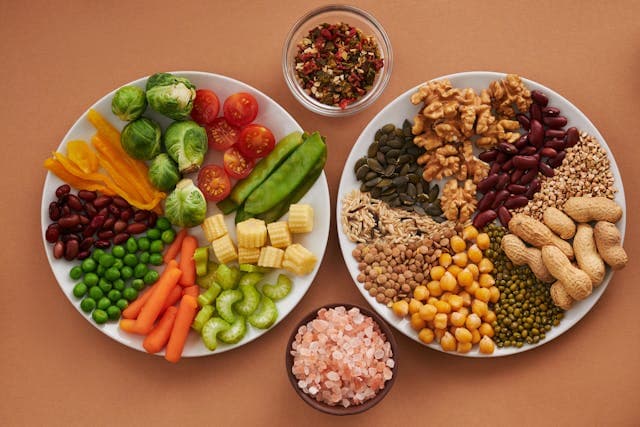
One of these amazing molecules, called butyrate, is the main fuel for the cells lining your colon. Researchers also found that SCFAs help strengthen the gut barrier, reduce inflammation, and support overall health. Lower levels of these compounds were associated with adverse health outcomes.
2. Prebiotic Foods
Prebiotics are like fertilizers for your gut. They are specific types of fiber that feed and support the growth of beneficial bacteria.
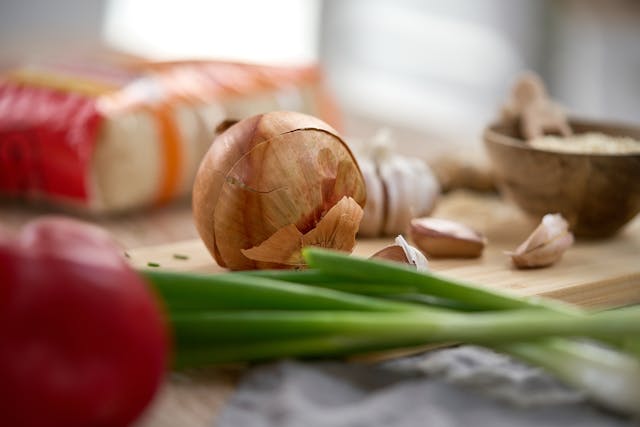
Foods like onions, garlic, bananas, oats, and flaxseeds are rich in prebiotics. These foods can significantly nourish your good gut bacteria and help support a healthier, more balanced gut environment.
3. Probiotic Foods
Probiotics are live “good” bacteria that help keep your gut microbiome healthy and balanced. Foods rich in good bacteria can help maintain a healthy balance of microbes in your digestive system.
Fermented foods like Yogurt, kefir, kimchi, and sauerkraut contain good bacteria. Including foods rich in beneficial bacteria in your diet can help maintain a healthy and balanced gut microbiome.

4. Polyphenol-Rich Foods
Polyphenols are natural compounds found in colorful plant foods like grapes, berries, cocoa, etc. Many of these compounds reach the colon, where they serve as fuel for beneficial gut bacteria.
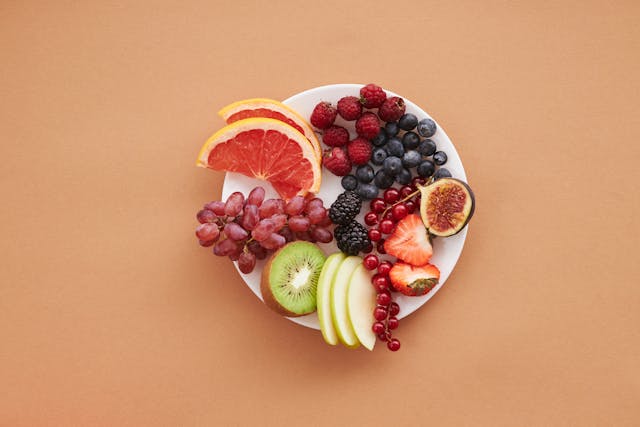
As gut microbes break down polyphenols, they produce compounds that support gut health. At the same time, polyphenols help promote the growth of beneficial bacteria while keeping harmful microbes in check.
10 Gut-Friendly Foods to Support Gut Health
There are some foods I regularly include in my own diet to heal my gut. By including more of the following foods in your diet, you can give beneficial gut bacteria the nutrients they need to grow and support your health.
1. Yogurt or Curd
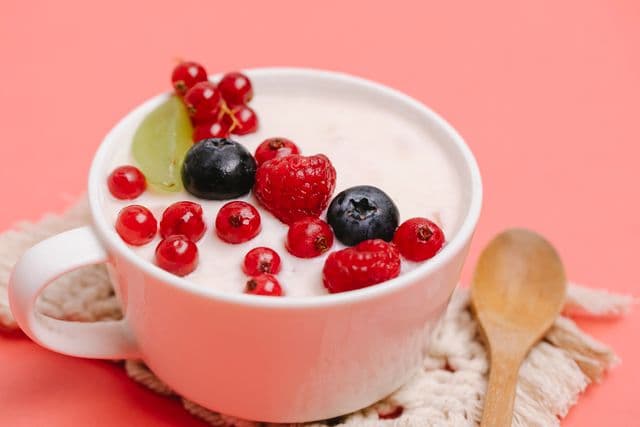
Yogurt is one of the best foods to add beneficial bacteria to your diet. For generations, Yogurt has been a common part of healthy diets. It naturally contains probiotics (such as Lactobacillus and Bifidobacterium), along with important nutrients like calcium and vitamin B12.
How yogurt helps your gut:
The live bacteria in yogurt help maintain a healthy balance of microbes in your digestive system. Research suggests that fermented dairy products like yogurt may help strengthen the gut lining and support digestive health. Several studies have also linked regular consumption of yogurt with an increase in beneficial gut bacteria that help create a more balanced gut microbiome.
Tips to include yogurt in your diet:
- Take plain yogurt for breakfast.
- You can add fruit, nuts, and seeds for extra nutrition and flavor.
- If you don’t tolerate dairy well, choose a plant-based yogurt that contains live active cultures.
- Choose plain or lightly sweetened yogurt.
- Flavored yogurt contains a lot of added sugar, which can work against your gut health.
2. Oats
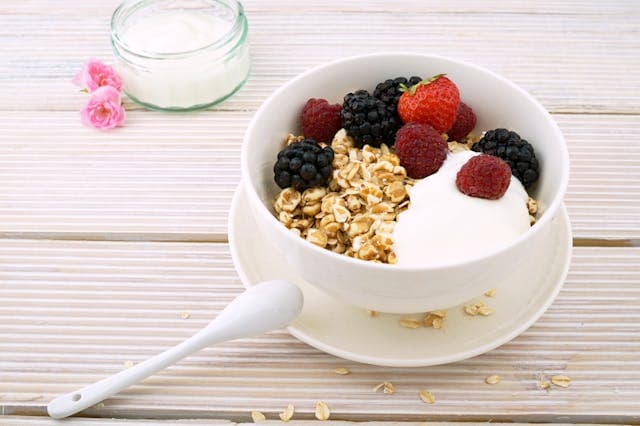
Oats are also beneficial to support gut health. They are rich in a type of soluble fiber called beta-glucan, which acts as a prebiotic and helps nourish beneficial gut bacteria.
How oats help your gut:
Your gut bacteria break down beta-glucan into short-chain fatty acids (SCFAs), including butyrate. Thus, beta-glucan in oats acts as a prebiotic and can positively influence the growth of gut microbiota.
Tips to include oats in your diet:
Enjoy oats as:
- porridge,
- overnight soaked oats,
- smoothies,
- or homemade energy bites.
- You can also add fruit, nuts, or seeds to oats.
3. Ginger
Ginger has been used as a natural remedy for digestive discomfort for centuries. It contains bioactive compounds (such as gingerol and shogaol), which are known for their anti-inflammatory and digestive-supporting properties.

How ginger helps your gut:
Ginger can support better digestion by helping food pass more smoothly through the digestive tract. Ginger can reduce feelings of fullness, bloating, and discomfort after meals. It can positively influence the gut microbiome, reduce inflammation, and promote a healthier gut environment.
Tips to include ginger in your diet:
- Add fresh ginger to tea, soups, or curries.
- You can also enjoy ginger tea before or after meals to support digestion.
4. Grapes and Raisins
Grapes and raisins are particularly fascinating to me, not only because I enjoy eating them, but also because I spent part of my MPhil research exploring their nutritional and therapeutic properties.
One of the most interesting things I discovered during my research was that both grapes and raisins are rich in polyphenols. This is one of the reasons they are considered beneficial for your health.

How grapes and raisins help your gut:
Grape polyphenols can have prebiotic-like effects, helping support a healthier balance of gut bacteria. Raisins contain many of the same beneficial compounds found in grapes.
During my research, I also found that raisins can provide higher amounts of certain polyphenols per serving than fresh grapes. Because the drying process naturally concentrates nutrients, making them another gut-friendly option when enjoyed in moderation.
Tips to include them in your diet:
- Enjoy a handful of fresh grapes or raisins as a snack,
- Add them to salads, or put them in a yogurt bowl.
- Raisins can be mixed into oatmeal or trail mixes.
5. Fennel Seeds
Fennel seeds contain plant compounds (such as anethole and fenchone), which may help relax the muscles of the digestive tract.

How Fennel Seeds Help Your Gut:
Fennel seeds help relieve bloating, gas, and post-meal abdominal discomfort. They can help calm the digestive system and reduce cramping.
Some studies suggest that fennel may help support people with conditions such as infant colic and irritable bowel syndrome (IBS), likely due to fennel’s ability to relax intestinal smooth muscle and reduce stomach cramps.
Tips to include Fennel Seeds in your diet:
- Chew about 1 teaspoon of fennel seeds after meals
- Brew them into a soothing tea by steeping the seeds in hot water for 5–7 minutes.
6. Kefir
Kefir is a fermented milk drink that contains a wide variety of good bacteria and yeasts. Kefir typically contains a more diverse range of microorganisms than yogurt. This makes kefir a good choice for supporting gut health.

How kefir helps your gut:
The live microbes in kefir help support a healthy and diverse gut microbiome. They may also encourage the growth of beneficial bacteria that produce SCFAs.
Tips to include kefir in your diet:
- Start with about ½ cup per day and gradually increase your intake if tolerated.
- Enjoy it plain, blend it into smoothies, or use it as a base for healthy breakfast bowls.
- If you don’t consume dairy, water kefir can be a good alternative.
7. Sauerkraut and Kimchi
Sauerkraut and kimchi are fermented vegetable dishes made primarily from cabbage. During fermentation, beneficial bacteria grow naturally, turning these foods into rich sources of probiotics.

How Sauerkraut and Kimchi Help Your Gut:
Sauerkraut and kimchi provide both probiotics and fiber, a combination that can positively influence the gut microbiome and support digestive health. The beneficial bacteria help maintain microbial balance, while the fiber helps nourish the good bacteria already living in your gut.
Tips to include them in your diet:
- Start with 1–2 tablespoons per day and gradually increase the amount as your digestive system adjusts.
- They can be added to salads, grain bowls, sandwiches, wraps, or served alongside meals.
8. Garlic
Garlic is one of the best natural sources of prebiotics. It contains special fibers, including inulin and fructooligosaccharides (FOS), that pass through the digestive system largely undigested and serve as food for beneficial gut bacteria.

How it helps your gut:
Garlic contains prebiotic fibers that feed and support the growth of beneficial gut bacteria (especially Bifidobacteria and Lactobacilli). By feeding these microbes, garlic helps support a healthier and more balanced gut microbiome.
Tips to include it in your diet:
- You can easily include fresh garlic in soups, curries, or vegetable dishes.
- Lightly crushing garlic before cooking can help preserve some of its beneficial compounds.
9. Flaxseeds
Flaxseeds are packed with soluble fiber, lignans, and omega-3 fatty acids. These nutrients make them especially supportive for both digestion and overall gut health.

How Flaxseeds help your gut:
The soluble fiber in flaxseeds forms a gel-like substance in the digestive tract, which helps support smoother bowel movements. In the colon, gut bacteria ferment flax components into SCFAs, supporting gut health and microbial activity.
Tips to include flaxseeds in your diet:
- Use ground flaxseeds instead of whole ones to improve nutrient absorption.
- Add 1 tablespoon to oats, smoothies, yogurt, or baked foods.
- Start with smaller amounts and gradually increase as your body adjusts.
10. Berries
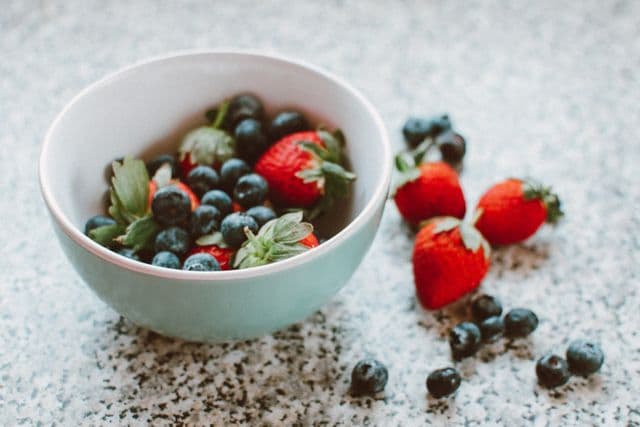
Berries are rich in anthocyanins and other polyphenols, the natural compounds responsible for their deep red, blue, and purple colors. A large portion of these compounds isn’t fully absorbed in the small intestine, so they reach the colon, where they interact with gut bacteria.
How Berries help your gut:
Berry polyphenols act like gentle support for your gut microbiome. Studies have shown that cranberry and elderberry intake can increase beneficial bacteria (such as Bifidobacterium and Faecalibacterium), while also supporting bacteria linked with SCFAs production — changes associated with better gut and metabolic health.
Tips to include berries in your diet:
- Enjoy a handful of fresh berries daily.
- Add them to oats, yogurt, smoothies, or simply eat them as a snack.
- Frozen berries are equally nutritious and often more affordable.
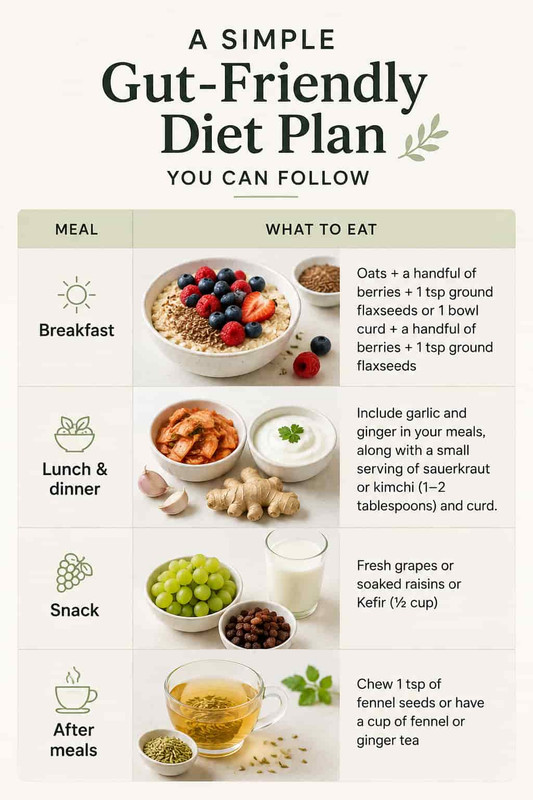
A Simple Gut-Friendly Diet Plan You Can Follow
Simple Tips to Improve Gut Health Naturally
Besides food, your everyday habits also play an important role in shaping your gut health.
- Reduce ultra-processed foods in your diet and focus more on whole, fiber-rich meals.
- Keep yourself well-hydrated throughout the day to support smooth digestion.
- Poor sleep can disturb gut health. Prioritize quality sleep of 6-8 hours.
- Manage your stress through simple daily habits like walking, breathing, or meditation.
- Avoid unnecessary antibiotics and excessive sanitization when not needed
- Be mindful of portion changes — increasing fiber too quickly can cause bloating
Final Takeaway
Your gut is connected to your overall health. It can influence digestion, immunity, energy levels, and even your skin. By regularly including gut-friendly foods in your diet, you can help nourish beneficial gut bacteria and support a healthier gut over time. The goal is to build simple habits that support your gut every day. Small but consistent changes in your daily diet can help you a lot in improving your gut health.
Explore 👉 The Gut-Skin axis to understand how internal health can affect your skin and cause acne.
OR
Learn 👉 10 Foods to add in your Diet to get clear, glowing and healthy skin.
FAQs
1. How can I improve my gut health naturally?
If you want to improve your gut health naturally, focus on your daily habits. Include prebiotics and probiotics in your diet, stay hydrated, manage your stress, and get enough quality sleep.
2. What foods are best for gut health?
Adding a variety of whole-plant foods to your diet is one of the best ways to promote your gut health. Include fermented foods, fiber-rich foods, and polyphenol-rich foods in your diet. For example, yogurt, kefir, oats, garlic, flaxseeds, berries, grapes, raisins, kimchi, and sauerkraut.
3. Are probiotics or prebiotics better for gut health?
Both prebiotics and probiotics play important but different roles in supporting a healthy gut microbiome. Probiotics are live beneficial bacteria found in fermented foods such as yogurt, kefir, kimchi, and sauerkraut. On the other hand, prebiotics are special types of fiber that feed the good bacteria already living in your gut. Including probiotics and prebiotics will help you improve your gut health over time.
4. I eat healthy, but still feel bloated. What am I doing wrong?
Bloating isn’t only caused by unhealthy foods. Even healthy foods can cause bloating. Some people may experience bloating from foods such as beans, lentils, whole grains, dairy products, cabbage, or broccoli. Some healthy foods can even cause bloating. Other factors, like food intolerance, stress, dehydration, eating too fast, eating more fiber than usual, or digestive issues, can also lead to bloating.
5. How long after I start eating gut-friendly foods will I see results?
Some people notice improvements in digestion, reduced bloating, and more regular bowel movements within a few weeks of adding gut-friendly foods to their diet. However, this varies from person to person. Various other factors, such as your lifestyle, stress management, quality of sleep, and overall health, also affect your gut health.
Found this article helpful? Share it with someone you care about.
Stay radiant! Catch you in the next article.
Read More

What Does Hyaluronic Acid Do for Your Skin? A Science-Backed Guide to Hyaluronic Acid Benefits & Uses
A science-backed guide to what does hyaluronic acid do for your skin, its research-backed benefits,…

Is Glycerin Good for Skin? A Science-Backed Guide to Benefits, Uses & Side Effects
A science-backed guide answering “Is glycerin good for skin?” Explore glycerin benefits for skin, how…

Fall Makeup 2026: Trends, Colors & Easy Looks to Try
The fall makeup guide explores the latest 2026 trends, flattering autumn colors, and easy step-by-step…

Fall Skincare Routine for Glowing Skin: How to Keep Your Skin Hydrated
A practical fall skincare routine guide to building a routine for glowing skin, covering how…

How to Clean Makeup Brushes and Sponges: A Complete Guide 2026
A practical beginner’s guide to ‘how to clean makeup brushes and sponges,’ covering the right…

Why Does My Makeup Look Cakey, Patchy, Dry, or Separated? Here’s How To Avoid Cakey Makeup and Make Foundation Look Smooth
A complete makeup guide to ‘why does my makeup look cakey, ‘ breaking down common causes…
Explore Our Categories
Skincare Insights

Discover the science behind healthy skin with science-backed insights on skincare ingredients, routines, and skin health.
Beauty Inside-out
.png)
Understand how nutrition, lifestyle, and wellness support healthy skin, stronger hair, and beauty from within.
Makeup Guide

Practical makeup guidance to help you choose products, improve application, and use cosmetics safely with confidence.


Pingback: Gut-Skin Axis: How To Get Clear Skin | 2026