

This science-backed guide explains the gut-skin axis, the connection between your gut and your skin, how poor gut health may contribute to acne and other skin concerns, and practical, research-backed ways to help support clear skin from the inside out.
I tried everything for my skin. Cleansers, serums, and every “dermatologist-recommended” product I could find. I never slept with makeup on, stayed consistent with my skincare routine, kept my skin clean, and avoided products that could clog my pores. But still, my skin was breaking out.
My skin looked dull, tired, and unhealthy. And for the longest time, I thought it was my fault. Maybe I wasn’t doing enough, or maybe my skincare routine just wasn’t good enough.
But the real reason had nothing to do with my skin. It was sitting in my gut. It was the gut-skin axis.

I was dealing with chronic constipation, gut inflammation, and hormonal imbalances. And it was all showing up on my face. Because your skin often reflects your gut health, your nutrition, and what’s happening inside your body. The moment I started healing my gut, my skin finally started to change.
If this sounds relatable and you’re someone dealing with the same frustrating skin struggles. You are sick of acne, and nothing seems to be fixing the problem. You’re in the right place.
I’m here to walk you through what the gut-skin axis really is and how you can get clear skin. Because until you understand the gut-skin connection, no product will give you the clear, healthy skin you’re looking for.
Let’s get into it.
- What Even Is the Gut-Skin Axis?
- How Does Gut Health Affect Skin?
- Gut Problems and Acne
- Constipation, Hormones, and Acne
- Leaky Gut-Skin Problems
- Daily Habits Affecting Your Gut and Skin
- Signs Your Skin Problems Might Be Coming From Your Gut
- The Gut-Brain-Skin Connection
- What Should You Actually Do to Heal Your Gut and Get Clear Skin?
- The Gut-Skin Connection
- Final Takeaway
- FAQs
- Read More
- Explore Other Categories
What Even Is the Gut-Skin Axis?
You’ve probably heard people talk about gut health a lot lately. But what does your gut have to do with your skin?
Your gut and your skin are deeply connected. Scientists named this relationship the ‘gut-skin axis’. It refers to a complex, bidirectional interaction between the gut microbiota and skin health, through your immune system, hormones, and inflammation levels.
I know that sounds a bit complicated. And you might be wondering, “What does that even mean? But don’t worry. Let’s break it down in simple words.
Your gut is home to trillions of bacteria, fungi, and other microorganisms. Together, they make up what’s called your ‘gut microbiome’. These tiny creatures aren’t just sitting there. They’re actively communicating with your immune system, your hormones, and yes, your skin.

When your gut microbiome is balanced and happy, your skin tends to reflect that. But when your gut is out of balance, – a state called dysbiosis – your skin often ends up showing the signs through breakouts, acne, or other inflammatory skin conditions.
Think of your skin as a mirror of what’s happening inside your body.
How Does Gut Health Affect Skin?
Now that you understand that your gut and skin are connected. You might be thinking, “How does something happening in my gut end up showing on my face?”
Let’s understand it simply.
1) Gut Inflammation
An inflamed gut often leads to inflamed skin. Inflammation is one of the main reasons most people can’t get clear skin.
Your gut plays an important role in regulating inflammation in the body. When your gut bacteria are balanced, it does this job really well. But the moment that balance gets disrupted. Whether from stress, processed food, poor sleep, antibiotics, or digestive issues. It can trigger chronic low-grade inflammation in the body.
This travels through your body and often shows up on your skin as:
- acne and breakouts
- redness and irritation
- eczema flare-ups
- rosacea
- dull, tired-looking skin
2) Leaky Gut
Your gut lining acts like a protective filter. It lets the good stuff in (nutrients, vitamins, minerals) and keeps the bad stuff out (toxins, harmful bacteria, undigested particles).
But stress, poor diet, chronic inflammation, or antibiotics can weaken that barrier over time. This condition is known as leaky gut or increased intestinal permeability.
And when it does happen (leaky gut), things that were never supposed to enter your bloodstream start sneaking through. Your immune system sees these particles as a threat and immediately reacts. This can contribute to acne, psoriasis, and other inflammatory skin conditions.

3) Immune System Dysfunction
Do you know that around 70–80% of your immune system actually lives in your gut?
That means your gut plays a huge role in teaching your immune system how to respond. But when your gut bacteria are imbalanced, your immune system can become overactive and inflammatory.
4) Hormonal Imbalance
Your gut plays a huge role in processing and eliminating hormones – estrogen, testosterone, and cortisol, etc. When your gut is healthy, your hormones are balanced.
But when your gut is sluggish or imbalanced, those hormones don’t get properly eliminated. They build up and recirculate in your body.
That can contribute to:
- hormonal acne
- oily skin
- painful cystic breakouts
- irregular cycles
- bloating and PMS symptoms
Gut Problems and Acne
Let’s simply understand why you are not getting clear skin despite good skincare, with an example.
Imagine you have a glass that looks cloudy and dirty. You keep washing it from the outside, scrubbing harder, using expensive soaps, strong cleaners, and polishing it again and again. Despite all your efforts, it still doesn’t look clean.
Why? Because the dirt isn’t on the outside; it’s built up inside the glass.

This is exactly what we are doing with our skin. We use cleansers, serums, and acne treatments, hoping our skin will finally clear up. But that relief is only temporary because you’re treating the skin only at the surface level. However, the root cause remains inside.
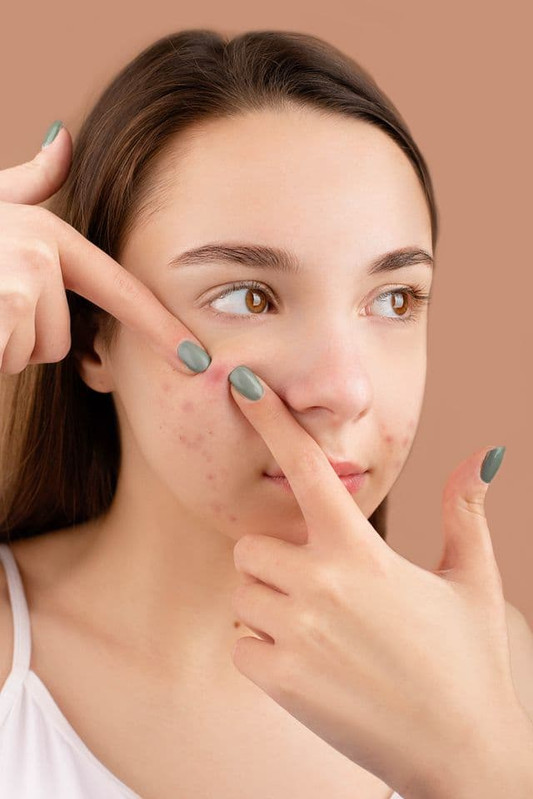
We all believe that acne happens because of bacteria, oily skin, or clogged pores. But that’s only part of the story. At its core, acne is often an inflammatory condition.
In simple terms, if something inside the body is out of balance, your skin might react to it. And it shows up on your skin as acne or breakouts.
For every individual, that “something” can look different. For some, it may be gut inflammation. For others, it may be hormonal imbalance, chronic stress, nutrient deficiencies, poor sleep, or daily habits that quietly keep the body in a constant state of inflammation.
Your skin is more than just something you cleanse and moisturize. It’s an organ, and it reflects what’s happening inside.
Constipation, Hormones, and Acne
This is something I wish I had known much earlier. For almost 7 years, I struggled with chronic constipation. Over time, my periods became irregular, my hormones got imbalanced, I developed PCOS, and my skin kept breaking out. I treated each issue separately, never realizing they were all linked.
Your gut plays an important role in hormone balance, especially in how the body processes and eliminates hormones like estrogen.
Your body eliminates excessive hormones through your stool. When you are constipated and digestion is sluggish, excessive hormones may not be eliminated and may be reabsorbed back into the bloodstream. This can contribute to hormonal imbalance, inflammation, and acne flare-ups.
The moment I started healing my gut, my hormones became more balanced, my periods became regular, and my skin finally started clearing naturally.
That’s when I realized my constipation, hormones, and acne were never separate problems — they were all connected.

Leaky Gut-Skin Problems
Not Just Acne, but leaky gut can also lead to other Skin Conditions as well. For instance,
Eczema (Atopic Dermatitis): People with eczema often have lower gut microbial diversity. This may affect immune balance and increase skin inflammation.
Rosacea: Gut inflammation and microbial imbalance may also be linked to rosacea symptoms such as redness and sensitivity.
Psoriasis: Psoriasis is strongly connected to immune dysfunction and inflammation, both of which are heavily influenced by gut health.
Premature Aging: Chronic inflammation inside the body can speed up collagen breakdown, making skin appear dull, tired, and aged faster over time.
Daily Habits Affecting Your Gut and Skin
Your daily habits shape your gut health. These habits are also quietly affecting your skin. Here are a few common ones:
1) Chronic Stress
Chronic stress does more than affect your mood—it also affects your gut. When you’re under constant stress, your body releases more cortisol, which can disturb the balance of beneficial gut bacteria and weaken your gut barrier. This allows inflammation to build up in the body, and because your gut and skin are closely connected, that inflammation may contribute to skin problems like acne, eczema, rosacea, or increased skin sensitivity over time.

2) Ultra-Processed Foods
Ultra-processed foods are often low in fiber and high in refined sugars, unhealthy fats, and food additives. Research suggests that eating them regularly can reduce the diversity of beneficial gut bacteria, weaken the gut barrier, and promote low-grade inflammation. Because your gut and skin communicate through the gut-skin axis, these changes may also contribute to acne and other inflammatory skin conditions over time.

Support your skin from within with these 10 gut-friendly foods for a healthier gut.
3) Antibiotics & Medications
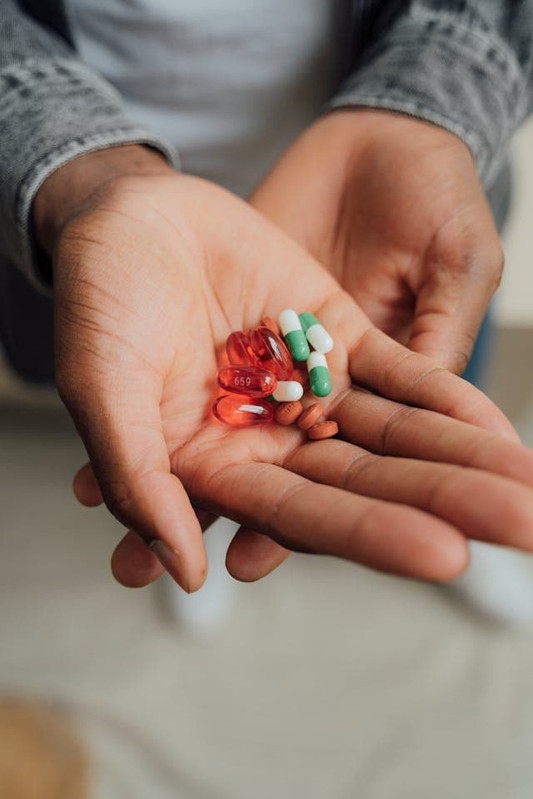
Frequent or unnecessary use of antibiotics can disrupt the balance of your gut microbiome by reducing both harmful and beneficial bacteria. Although antibiotics are essential when prescribed for bacterial infections, repeated use may lower microbial diversity and take weeks or even months for the gut microbiome to recover.
4) Poor Sleep
Your gut microbiome follows your body’s natural sleep–wake cycle. Regularly getting too little or poor-quality sleep can disrupt the balance of beneficial gut bacteria, increase inflammation, and affect hormones involved in metabolism and appetite. Over time, these changes can negatively impact both your gut health and overall well-being.

5) Lack of Movement
Regular physical activity does more than keep you fit—it also supports a healthier gut microbiome. Exercise can increase the diversity of beneficial gut bacteria, improve bowel movements, and help reduce inflammation. Even simple activities like walking after meals or getting at least 30 minutes of moderate exercise most days can benefit your gut health.

These small daily habits are silently affecting your gut and skin and may lead to bigger skin problems. Because inside the body, everything is connected.
Signs Your Skin Problems Might Be Coming From Your Gut
If you’re dealing with skin issues along with digestive or hormonal symptoms, your gut may be asking for attention. Here are a few signs that your gut may be contributing to your skin issues.
- Your acne keeps coming back, no matter what skincare products you use
- You often feel bloated, gassy, or uncomfortable after eating
- You deal with constipation, or your bowel movements are irregular
- Your skin gets worse when you’re stressed
- You struggle with hormonal breakouts, especially around the chin or jawline
- You often feel tired, drained, or low on energy
- You notice dandruff, hair fall, or scalp problems
- Your skin looks dull, irritated, or easily inflamed
- You crave sugar, junk food, or processed snacks often
- You feel like something in your body is off, even if you can’t explain why

The Gut-Brain-Skin Connection
There’s one more hidden piece of the puzzle that’s often overlooked: ‘stress’. It doesn’t just affect your mental health—it can also disrupt your gut and make skin problems harder to manage.
During stressful periods, your skin may break out more and become more reactive. Scientists call this the ‘ gut-brain-skin axis’. A connection showing how stress, gut health, and skin health are deeply linked, and that lifestyle changes directly impact all three.
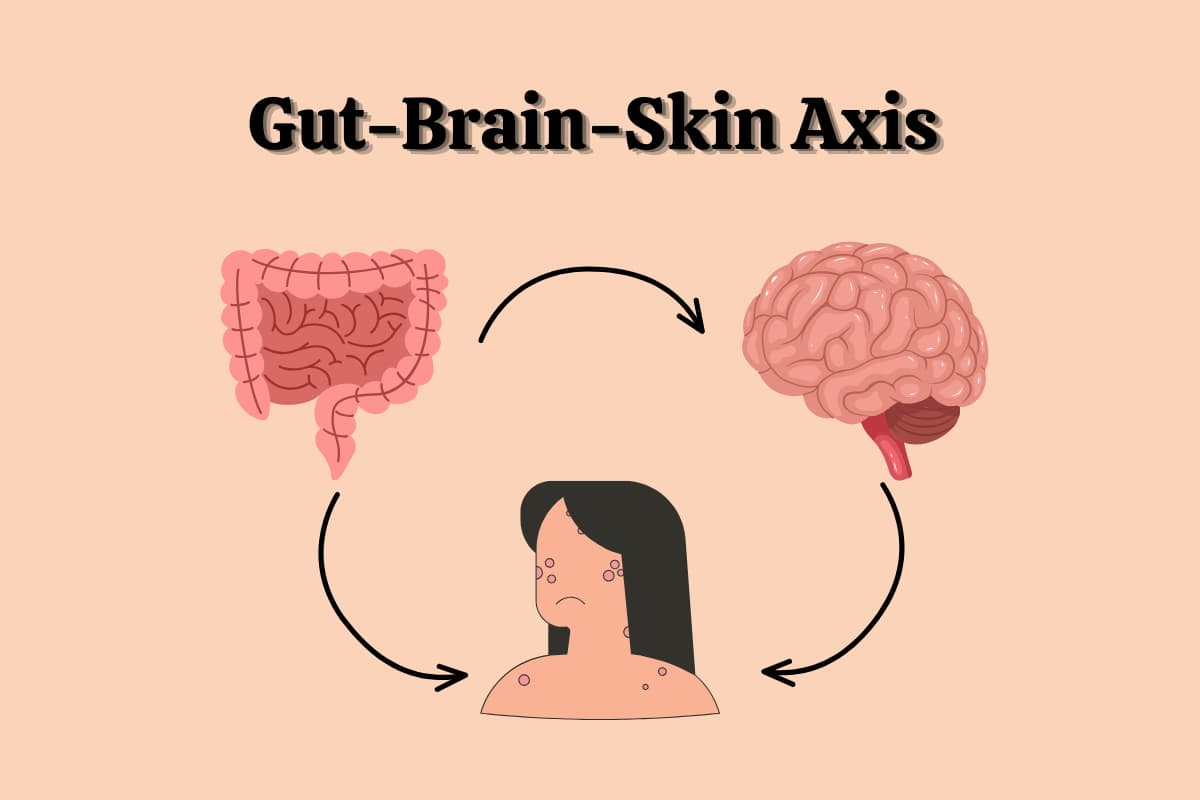
Your brain, gut, and skin are constantly communicating with each other. When you’re stressed, your body releases cortisol (a stress hormone). And cortisol doesn’t just affect your mood. It disrupts your digestion, throws off your gut bacteria, increases inflammation, and messes with your hormones.
All of which shows up on your skin. This is why managing stress is genuinely part of skincare. When your nervous system is calm, your gut works better. When your gut works better, your skin reflects it.
Even Simple things like:
- getting enough sleep
- spending time outdoors
- gentle movement
- deep breathing
- slowing down your nervous system
These small habits can help lower stress, support a healthier gut, and over time, contribute to healthier-looking skin.
What Should You Actually Do to Heal Your Gut and Get Clear Skin?
By now, you understand that healthy skin starts with a healthy gut. The next step is putting that knowledge into action by supporting your gut from the inside out.
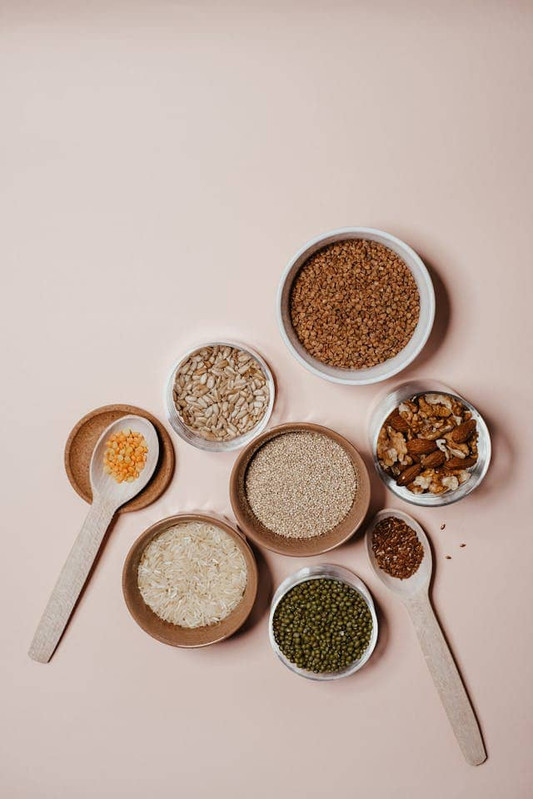
1. Eat more whole foods: Choose real, nourishing foods your body can digest easily, like eggs, lentils, chicken, fish, vegetables, fruits, rice, and oats.
Read 👉 10 Foods For Clear Skin (Science-backed Guide)
2. Cut back on ultra-processed foods: Avoid packaged snacks, excess sugar, and refined foods that can fuel inflammation.

3. Nutrient-rich foods: Focus on a healthy, balanced plate that includes protein, healthy fats, complex carbohydrates, and fiber. Also, include a variety of fruits and vegetables so your body gets the essential vitamins and minerals it needs daily.

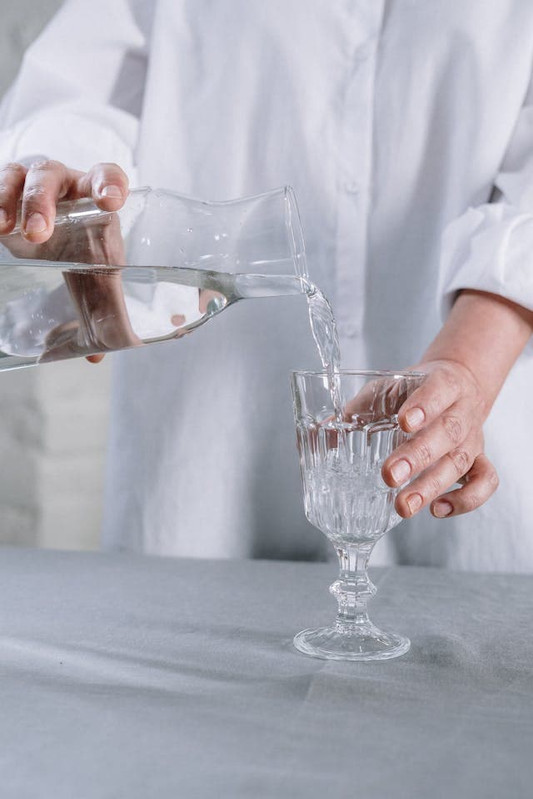
4. Stay hydrated: Water supports digestion, detoxification, and overall skin health. Therefore, make sure you’re drinking enough water and staying well hydrated throughout the day.
5. Feed your good gut bacteria: Include probiotics (fermented foods) and prebiotics (fiber) to help your gut microbiome thrive.

6. Prioritize sleep and stress management: Your body heals, repairs, and balances hormones when it gets proper rest.

7. Move your body daily: Even gentle movement like walking can improve digestion and blood circulation and reduce stress.

8. Keep your blood sugar stable: Avoid sugar spikes by not eating carbs alone. Balance it with protein and vegetables.

Learn More 👉 Gut-friendly foods that support digestion, nourish your gut microbiome, and promote better gut health.
The Gut-Skin Connection

Final Takeaway
Acne, breakouts, dullness, and flare-ups are often signals that something deeper inside needs attention. The gut-skin axis helps us understand that healthy skin is not only about what you apply on the surface, but also how well you support your body from within.
I learned this the hard way. When I started healing my gut, balancing my hormones, and improving my digestion, my skin changed naturally.
So next time acne or other skin issues show up, instead of asking, “What should I put on my skin?”
You’d better dig deeper and ask, “What is my body trying to tell me?”
Explore 👉10 Gut-friendly foods to nourish your gut microbiome and support your skin within.
OR
Explore 👉 10 Foods For Clear Skin To Add In Your Diet Today.
FAQs
1. Can gut health really affect acne?
Yes. Research suggests a strong connection between gut health and acne through the gut-skin axis. An imbalanced gut microbiome may increase inflammation, affect the skin barrier, and influence immune responses, all of which can contribute to acne in some people. However, acne is influenced by many factors, including hormones, genetics, skincare, and diet.
2. Can leaky gut cause skin problems?
Yes, increased intestinal permeability (often referred to as “leaky gut”) may contribute to inflammation and immune changes that can worsen skin conditions such as acne, eczema, and rosacea in some people.
3. Do probiotics help with skin?
Probiotics may help support a healthier gut microbiome, reduce inflammation, and strengthen the gut barrier, which can benefit skin health in some people. However, results vary depending on the individual, the probiotic strain, and the underlying skin condition.
4. How long does it take to see skin improvement from gut health?
There’s no fixed timeline. Some people notice improvements in digestion and bloating within a few weeks, while visible skin changes often take longer. Consistently supporting your gut with a balanced diet and healthy lifestyle habits is more important than expecting quick results.
5. How does gut health affect skin?
Your gut and skin communicate through what’s known as the gut–skin axis. An unhealthy gut may affect your skin by increasing inflammation, weakening the gut barrier (intestinal permeability), disrupting immune function, and influencing hormone balance. Together, these changes can contribute to skin concerns such as acne, eczema, and rosacea.
Found this article helpful? Share it with someone you care about.
Stay radiant! Catch you in the next article.
Read More
Is Glycerin Good for Skin? A Science-Backed Guide to Benefits, Uses & Side Effects
A science-backed guide answering “Is glycerin good for skin?” Explore glycerin benefits for skin, how…

Fall Makeup 2026: Trends, Colors & Easy Looks to Try
The fall makeup guide explores the latest 2026 trends, flattering autumn colors, and easy step-by-step…
Fall Skincare Routine for Glowing Skin: How to Keep Your Skin Hydrated
A practical fall skincare routine guide to building a routine for glowing skin, covering how…

How to Clean Makeup Brushes and Sponges: A Complete Guide 2026
A practical beginner’s guide to ‘how to clean makeup brushes and sponges,’ covering the right…

Why Does My Makeup Look Cakey, Patchy, Dry, or Separated? Here’s How To Avoid Cakey Makeup and Make Foundation Look Smooth
A complete makeup guide to ‘why does my makeup look cakey, ‘ breaking down common causes…

How To Apply Makeup Step-by-Step for Beginners | Beginner Makeup Guide 2026
A beginner’s makeup guide showing how to apply makeup step-by-step for beginners, with the right…
Explore Other Categories
Skincare Insights
Discover the science behind healthy skin with science-backed insights on skincare ingredients, routines, and skin health.
Beauty Inside-out
.png)
Understand how nutrition, lifestyle, and wellness support healthy skin, stronger hair, and beauty from within.
Makeup Guide

Practical makeup guidance to help you choose products, improve application, and use cosmetics safely with confidence.
Pingback: 10 Gut-Friendly Foods I Eat To Heal My Gut (Science-Backed Guide)
Pingback: 10 Foods For Clear Skin You Should Add To Your Diet Today
Pingback: The Gut-Skin Axis - Network Lehigh Valley