
A practical fall skincare routine guide to building a routine for glowing skin, covering how to adapt to seasonal changes, keep your skin hydrated and healthy, and support a fresh, balanced glow throughout fall.
Your summer skincare routine was working perfectly, and then fall arrived. Suddenly, your skin may feel tighter, drier, rougher, or a little more sensitive. For some, it may be more congestion, dry and oily patches, or dull-looking skin.
And there’s a reason your skin can feel different as the seasons change. Research found that autumn and winter were associated with lower skin hydration and sebum levels, along with higher transepidermal water loss (TEWL) and skin pH. Together, these changes can leave skin feeling drier and less able to hold onto moisture.
A change in weather doesn’t automatically call for a completely new routine. Instead, your skincare may simply need a few targeted adjustments as your environment changes. A healthy-looking glow starts with skin that is hydrated, supported, and protected—not with adding more products to your shelf.
In this guide, you’ll learn how to tell when your skin actually needs a change, which parts of your routine are worth adjusting, and how to support a healthy skin glow inside-out without overcomplicating your skincare.
- Why Your Skin May Change in Fall
- Before You Change Your Routine, Check What Your Skin Is Telling You
- Fall Skincare Routine for Glowing Skin
- What Does “Glowing Skin” Actually Mean?
- 5 Skincare Changes to Make This Fall
- How to Care for Your Lips in Fall
- How to Support Your Skin From the Inside Out
- When Seasonal Dryness Needs More Than a Routine Change
- Final Takeaway
- FAQs
- Read More:
Why Your Skin May Change in Fall
As fall arrives, shifts in temperature and humidity can influence how your skin feels and behaves. Low humidity and low temperatures can affect skin-barrier function and make skin more vulnerable to irritation. These environmental changes can also increase moisture loss, leaving some skin feeling drier or tighter than usual.
The way your skin responds to fall depends on more than the season itself. Your skin type, local climate, and even the air inside your home can all make a difference. For example, heating or air conditioning can affect indoor humidity, which may make already-dry or sensitive skin feel even more uncomfortable.
Instead of assuming your skin needs a specific “fall routine,” pay attention to how it actually changes as the season shifts. Those changes—not the calendar—should guide what you adjust in your routine.

Learn: What Your Skin Barrier Is & How to Spot Damage
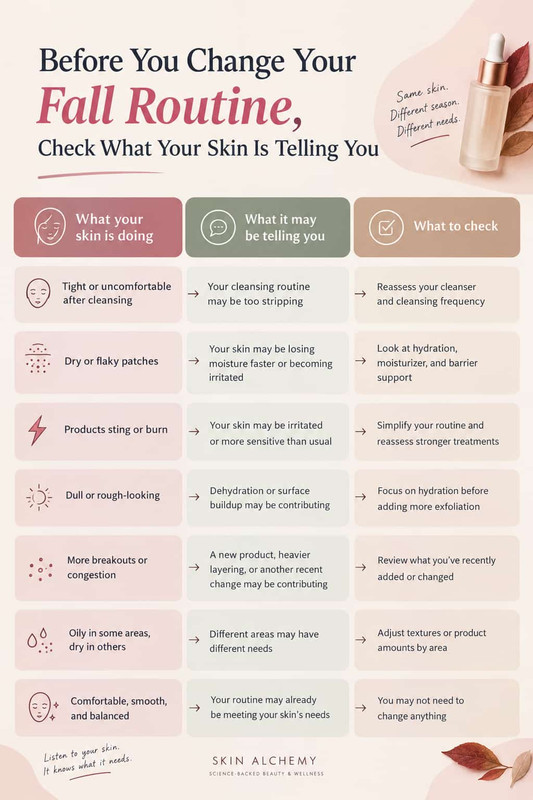
Before You Change Your Routine, Check What Your Skin Is Telling You
If you’re wondering how to prepare your skin for fall, take a moment to notice your current skin condition. Your skin type gives you a starting point, but your current skin condition and environment matter too. Two people with oily skin, for example, may need very different adjustments if one lives in a warm, humid climate and the other in a cooler, drier environment.
Use the signs below as clues to decide what, if anything, needs adjusting.
Fall Skincare Routine for Glowing Skin
A healthy fall glow starts with hydrated, comfortable, protected skin. The routine below keeps the essentials simple while showing you where you can make small seasonal adjustments based on what your skin needs.
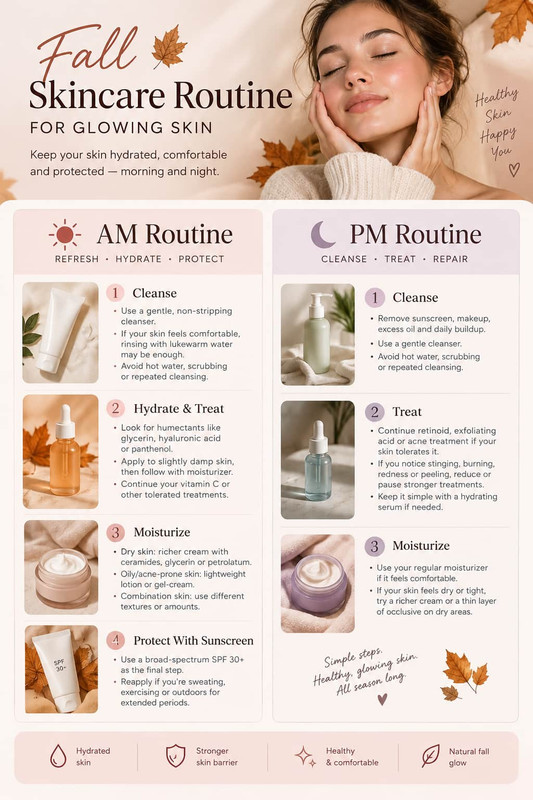
Autumn Skincare Routine (AM)
Step 1: Cleansing
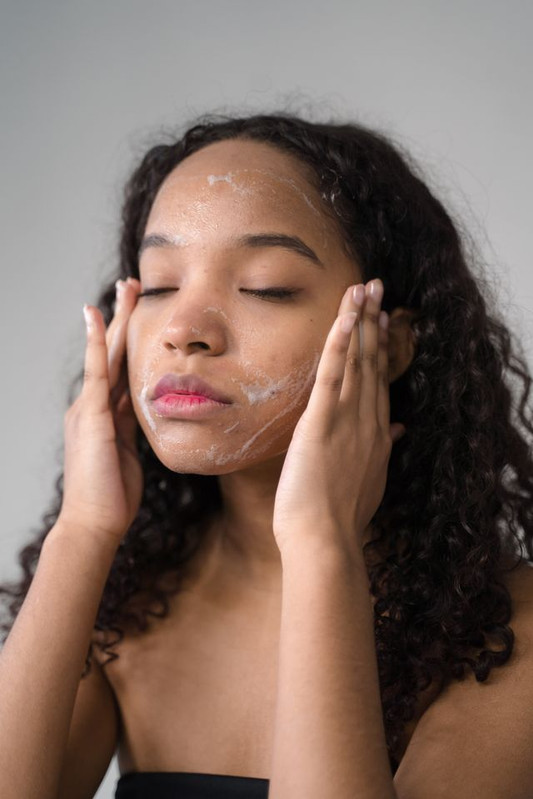
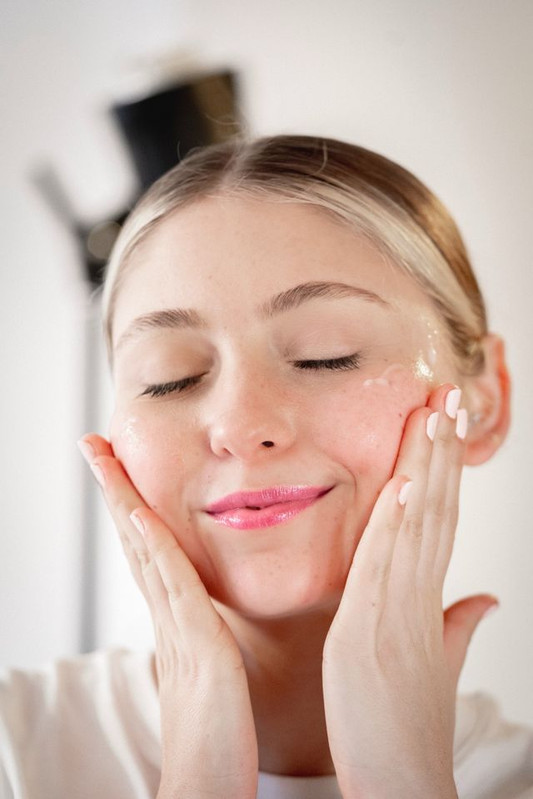
Keep your cleanse gentle, especially as the weather gets cooler. The goal of cleansing is to keep your skin fresh and clean without stripping it unnecessarily.
- Use a gentle, non-stripping cleanser if your skin needs cleansing.
- If your skin is dry or sensitive and feels comfortable without a morning cleanse, rinsing with lukewarm water may be enough.
- Avoid hot water, scrubbing, or repeated cleansing.
- If your skin is oily or acne-prone, you can still cleanse gently without repeatedly washing to control oil.
- Your skin should feel clean, not squeaky or tight after washing.
Step 2: Hydrate and Treat
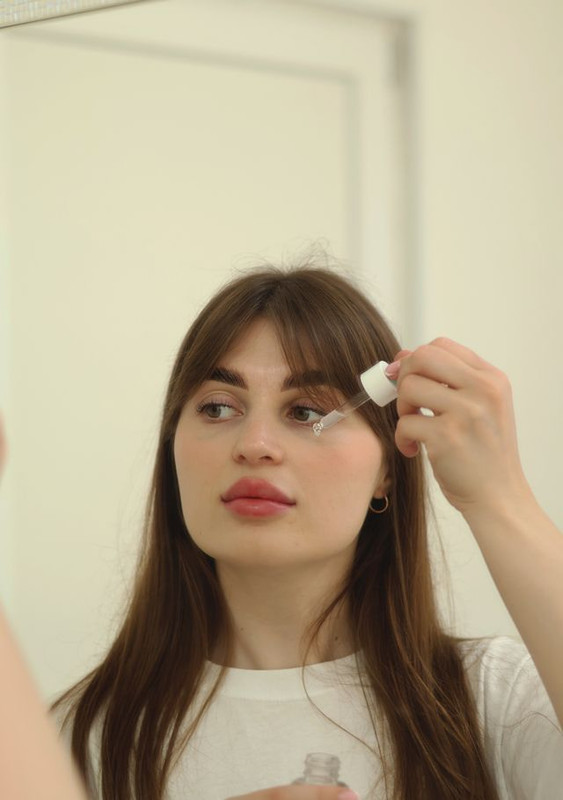
This is where you can add hydration and any targeted treatment your skin already tolerates. Cooler, drier conditions can increase moisture loss, so hydrating ingredients may help keep skin feeling soft and comfortable.
Look for humectants such as glycerin, hyaluronic acid, or panthenol, which help attract and hold water in the skin. Apply your hydrating product to slightly damp skin to help draw and retain water at the skin’s surface, then follow with moisturizer to help reduce water loss.
If you already use a treatment such as vitamin C or another concern-specific product and your skin tolerates it well, you don’t need to stop just because fall has arrived.
If your skin becomes dry, stingy, or more sensitive, simplify this step rather than adding more products. You can pause unnecessary or stronger treatments until your skin feels calm again.
Read: A complete beginner’s guide to understanding skincare Ingredients
Or
Read: A complete science-backed guide to Vitamin C.
Step 3: Moisturize
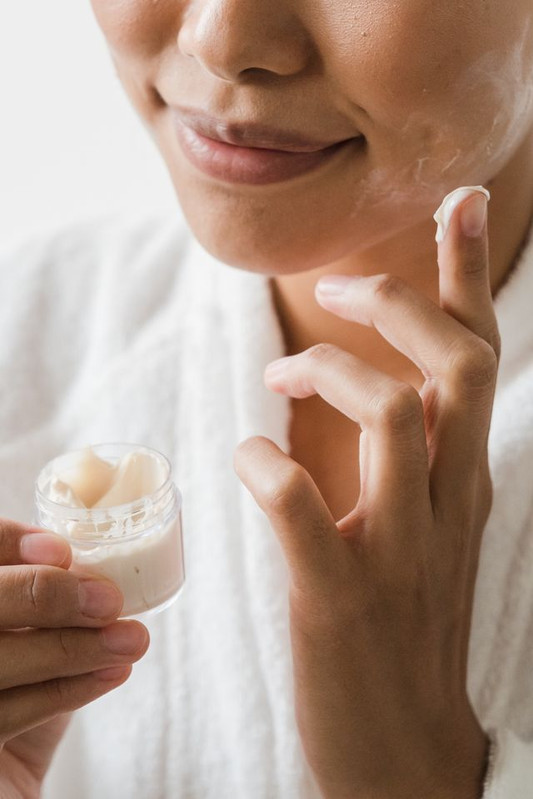
Choose your moisturizer based on how your skin feels, not simply because it’s fall.
- Dry skin: A richer cream containing ingredients such as ceramides and glycerin may provide more hydration and barrier support, while petrolatum can help reduce moisture loss.
- Oily or acne-prone skin: A lightweight lotion or gel-cream may feel more comfortable.
- Combination skin: You can use different textures or amounts on different areas of the face.
Moisturizers typically combine humectants, which attract water; emollients, which help smooth the skin; and occlusives, which help reduce water loss.
If your current moisturizer keeps your skin comfortable and hydrated, there’s no need to replace it just because the season has changed. If your skin starts feeling tight or dry, that’s your cue to consider a richer formula.
Step 4: Protect With Sunscreen
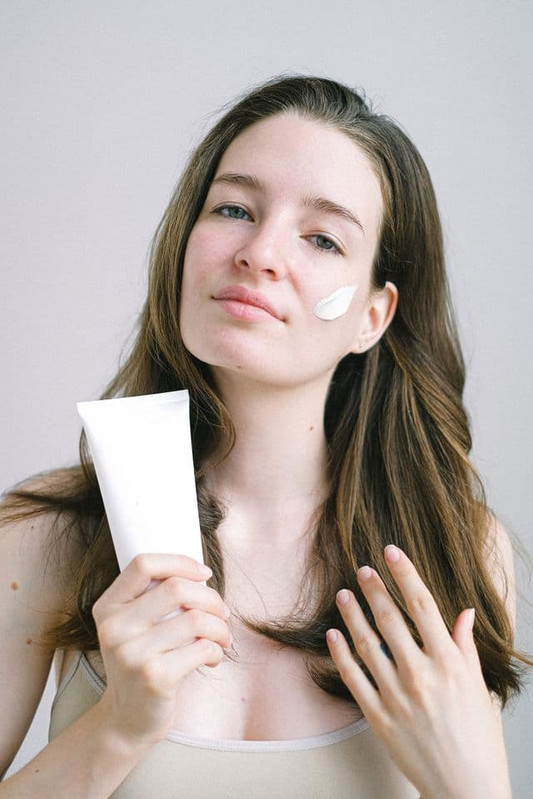
Cooler weather doesn’t mean you can skip sun protection. Apply a broad-spectrum SPF 30 or higher as the final step of your morning routine, especially when you’ll be spending time outdoors.
If you’re sweating, exercising, or spending extended time outdoors, choose a water-resistant sunscreen and reapply as directed.
Autumn skincare routine (PM)
Keep your evening routine simple and give your skin the care it needs overnight.
Step 1: Cleanse
Cleanse gently to remove sunscreen, makeup, excess oil, and daily buildup. Avoid hot water, scrubbing, or repeated cleansing if your skin feels dry or sensitive.
Step 2: Treat
If you use a retinoid, exfoliating acid, or acne treatment, you can continue it if your skin tolerates it well. If you notice stinging, burning, increased redness, or peeling, consider reducing or pausing stronger treatments until your skin feels comfortable again.
During that time, you can keep the step simple with a hydrating serum containing ingredients such as glycerin, hyaluronic acid, or panthenol.
Learn: 10 easy, science-backed steps to heal your skin barrier
Step 3: Moisturize
Use your regular moisturizer if it keeps your skin comfortable overnight. If your skin feels dry or tight, consider a richer cream or apply a thin layer of an occlusive to particularly dry areas.
Fall is not a reason to layer every product marketed for “glowing skin.” If your skin becomes irritated, simplify your routine first. Once it feels calm again, you can gradually return to treatments your skin previously tolerated.
Learn: Simple beginner’s skincare routine for all skin types (AM/PM)
What Does “Glowing Skin” Actually Mean?
“Glowing skin” doesn’t mean skin that is shiny, greasy, or perfectly smooth. A healthy-looking glow is usually the result of several things working together:
- Adequate hydration: Skin has enough water to look fresh and less dull or tight.
- Smooth texture: A well-maintained surface reflects light more evenly, which can make skin look brighter.
- Even-looking tone: Less visible unevenness in pigmentation can contribute to a more radiant appearance.
- A healthy skin barrier: A strong barrier helps the skin retain moisture and stay comfortable.
- Calm, comfortable skin: Redness, burning, excessive dryness, and irritation can make skin look less even and healthy.
- UV protection: Consistent sun protection helps protect against UV-related pigmentation and visible skin changes.
5 Skincare Changes to Make This Fall
Before changing your skincare routine altogether, think about the small things that may be affecting your skin differently now.
A few thoughtful adjustments can help your skin stay hydrated and balanced as the season changes, without making your routine unnecessarily complicated.
1. Check Your Indoor Environment
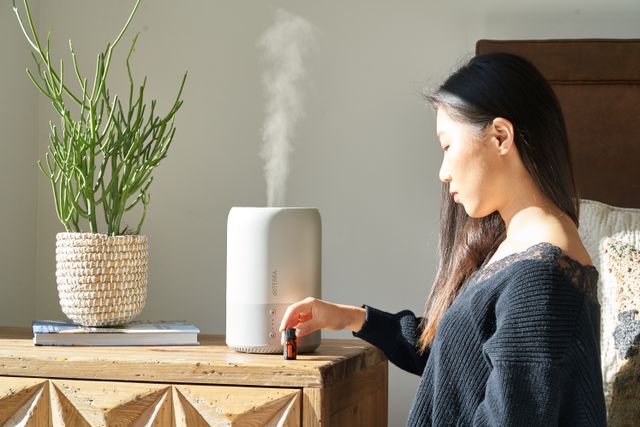
It’s not only the weather outside that can affect your skin in fall. Indoor heating or air conditioning can make the air drier, and that extra dryness may be noticeable if your skin is already sensitive or lacking moisture.
If your indoor air feels particularly dry, consider using a humidifier. Keep it clean according to the manufacturer’s instructions, and avoid sitting directly in front of a heater or other strong heat source.
2. Turn Down the Shower Temperature
Long, hot showers can strip oils from the skin and leave it feeling drier, especially when the air is already dry. Keep showers comfortably warm rather than very hot, avoid aggressive scrubbing, and gently pat your skin dry afterward. Once you’ve gently patted your skin dry, apply moisturizer.

3. Support Your Skin’s Hydration
Drier weather doesn’t automatically mean you need the heaviest moisturizer you can find. Instead, look at how your skin feels and adjust the level of moisture support accordingly.
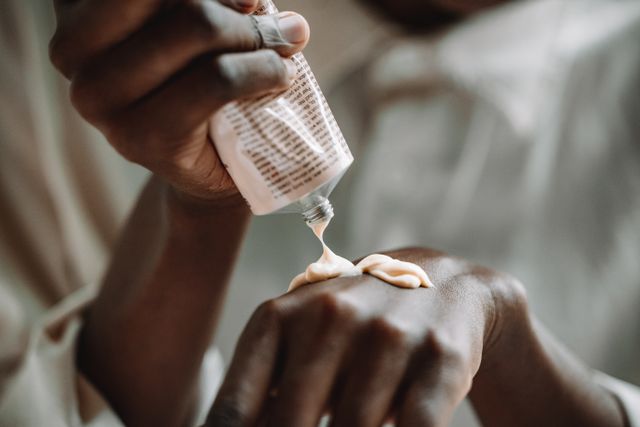
If your skin feels tight or flaky, you might add a hydrating serum, switch to a richer moisturizer, or use an occlusive on particularly dry areas. A routine that still feels good on your skin doesn’t need a seasonal overhaul.
4. Reassess Actives and Exfoliation
Fall dryness can make rough or dull skin tempting to exfoliate, but flaking isn’t always a sign that your skin needs more exfoliation.

If your usual retinoid, exfoliating acid, or other treatment is working well and your skin remains comfortable, you may not need to change it. But if you notice persistent stinging, burning, redness, peeling, or increased sensitivity, reduce the frequency or pause stronger treatments until your skin settles.
When your skin is irritated, adding more exfoliation can make the problem worse. Focus on hydration and barrier support first, then gradually return to stronger treatments as tolerated.
5. Keep What Works
A change in season isn’t, by itself, a reason to replace a product that’s working. If your cleanser, moisturizer, and treatments are keeping your skin comfortable and balanced, you can continue using them.
The same applies to your daytime sun protection. Keep using a broad-spectrum SPF 30 or higher as appropriate for your UV exposure rather than treating sunscreen as a summer-only step. Before replacing something, ask yourself: Is my skin actually asking for a change?
Fall skincare should be an adjustment when your skin needs it—not a complete reset just because the season changed.

How to Care for Your Lips in Fall
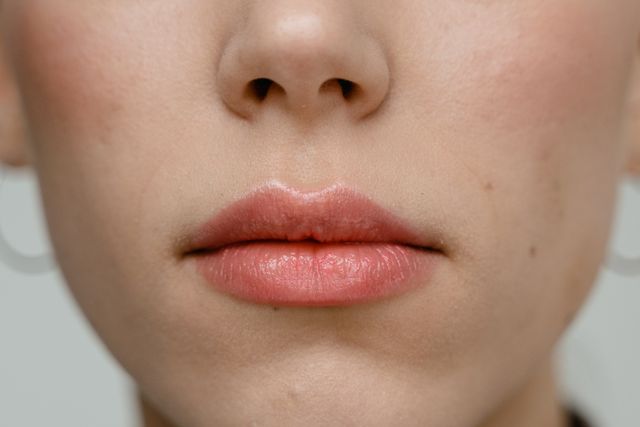
Your lips can feel especially dry and chapped when the weather gets cooler. Lips have a more vulnerable barrier than most facial skin, so they can lose moisture more easily and become irritated. Follow this simple lip care routine in fall:
- During the day, use a fragrance-free, non-irritating lip balm. If you’re spending time outdoors, choose one with SPF 30 or higher.
- If your lips are already chapped, avoid products that sting or burn, including those containing menthol, camphor, strong flavors, or fragrance. Irritation can make chapping worse.
- Before bed, apply a thin layer of petrolatum or another simple occlusive to help reduce moisture loss while you sleep.
- Try not to lick or bite your lips, even when they’re feeling dry. Licking may feel soothing for a moment, but as the saliva dries, your lips can end up feeling drier.
- If your lips remain severely dry, painful, cracked, or inflamed despite basic care, or the problem persists for a couple of weeks, consider seeing a dermatologist.
How to Support Your Skin From the Inside Out
Your topical routine matters, but your skin is part of a bigger picture. Hydration, nourishing food, quality sleep, and manageable stress can all play a role in supporting healthy-looking skin.
These habits won’t replace a good skincare routine, but they can support your skin alongside it—especially when you’re trying to maintain a healthy, comfortable glow throughout the changing seasons.
1. Stay Adequately Hydrated
Drinking enough fluids supports normal body function, including the body’s ability to maintain fluid balance. But more water isn’t automatically better for your skin, and forcing yourself to drink excessive amounts won’t create a faster glow.
Research on drinking water and skin hydration is still limited. A systematic review found that increasing water intake may modestly improve skin hydration, particularly in people who were drinking relatively little to begin with.
So rather than chasing a specific ‘water intake’ target, focus on drinking enough throughout the day and responding to your body’s thirst.

2. Build a Skin-Supportive Diet
Your skin doesn’t need a perfect “glowing skin” diet. What matters more is your overall eating pattern. Aim for a varied diet that regularly includes colorful fruits and vegetables, protein-rich foods, healthy fats, and sources of omega-3 fats. Foods rich in vitamin C and other nutrients also contribute to the normal processes involved in maintaining healthy skin.
Think of nutrition as a pattern rather than a list of beauty foods. One food won’t transform your skin, but consistently nourishing your body can support your overall health—and your skin is part of that picture.

Learn: 10 Foods for healthy, glowing skin (science-backed guide)
3. Prioritize Consistent Sleep
Your skin also responds to how well you sleep. In a controlled experiment, just two nights of severe sleep restriction were associated with lower skin hydration and higher transepidermal water loss (TEWL).
You don’t need a complicated sleep routine. Aim for enough consistent sleep and give your body the recovery time it needs. Your skin benefits from that too.

4. Give Your Skin a Break From Chronic Stress
Stress can show up on the skin, too. Research suggests that psychological stress may interfere with the skin barrier and its ability to retain moisture, which can make existing dryness or sensitivity harder to manage.
Focus on habits that help your body recover from it—such as taking regular breaks, moving your body, making time to unwind, and protecting your sleep.
And during particularly stressful periods, resist the urge to “fix” your skin by adding more products. Keeping your routine simple and supportive may be more helpful than constantly changing it.

When Seasonal Dryness Needs More Than a Routine Change
Mild seasonal dryness often improves with simple changes to cleansing, moisturizing, and environmental habits. But persistent or severe symptoms may need a closer look.
Consider seeing a dermatologist if your skin remains very dry or uncomfortable despite simplifying your routine, or if symptoms persist despite basic skincare. You should also seek advice if you develop:
- persistent itching or significant discomfort
- painful cracks or bleeding
- ongoing burning or stinging
- marked redness, swelling, or a rash
- skin problems that persist despite simple care
These signs don’t necessarily mean you have a skin condition, but they are a reason not to assume that seasonal dryness is the only explanation.
Final Takeaway
Fall can change how your skin behaves, but that doesn’t mean your entire routine needs to change with it. Think of this as a summer-to-fall skincare transition, not a complete routine reset. The key is to notice what has changed, adjust according to your skin’s needs, and keep using what’s already working for you. A thoughtful fall skincare routine can help you maintain healthy-looking, comfortable skin throughout the season, and that’s a much better foundation for glowing skin than simply adding more products.
FAQs
1. Do I need to change my skincare routine every fall?
No. If your skin is comfortable and your current routine is working well for you, you may not need to change it. Adjust your routine when your skin or environment gives you a reason to—not simply because the season changed.
6. What is a good autumn skincare routine for dry skin?
Start with a gentle cleanser, hydrating products, and a moisturizer that keeps your skin comfortable without feeling overly heavy. In the morning, finish with broad-spectrum SPF 30 or higher. At night, moisturize again and reduce or pause stronger treatments if they cause stinging, peeling, or irritation.
7. How can I keep my skin looking healthy and glowing in fall?
Focus on keeping your skin hydrated and comfortable, use treatments and exfoliation according to what your skin tolerates, and stay consistent with sun protection. Adequate sleep, balanced nutrition, and enough fluids can also support healthy-looking skin from the inside out.
Found this article helpful? Share it with someone you care about.
Stay radiant! Catch you in the next article.
Read More:

Fall Skincare Routine for Glowing Skin: How to Keep Your Skin Hydrated
A practical fall skincare routine guide to building a routine for glowing skin, covering how…

How to Clean Makeup Brushes and Sponges: A Complete Guide 2026
A practical beginner’s guide to ‘how to clean makeup brushes and sponges,’ covering the right…
Why Does My Makeup Look Cakey, Patchy, Dry, or Separated? Here’s How To Avoid Cakey Makeup and Make Foundation Look Smooth
A complete makeup guide to ‘why does my makeup look cakey, ‘ breaking down common causes…

How To Apply Makeup Step-by-Step for Beginners | Beginner Makeup Guide 2026
A beginner’s makeup guide showing how to apply makeup step-by-step for beginners, with the right…

Makeup for Beginners: The Ultimate Guide To Building Your First Makeup Kit
The makeup for beginners guide explains which products you actually need, how to choose formulas…

10 Foods for Clear Skin: A Science-Backed Guide to Healthier, Glowing Skin
A science-backed guide to 10 foods for clear skin, exploring how the right nutrients can…
Pingback: 10 Foods For Clear Skin You Should Add To Your Diet Today
Pingback: Easy 3-Step Beginner Skincare Routine For Every Skin Type