
A skin science guide explains skin barrier damage, how the skin barrier works, & why you should not ignore skin barrier health.
Has your skin started reacting to products that previously didn’t bother you? Even the moisturizer feels burning on the skin. Or you might also be noticing redness, irritation, dehydration, and unexpected breakouts on your skin.
Most people assume that their skin has suddenly become sensitive or that their skincare products have stopped working. But the real issue is that your skin’s protective system may not be functioning properly.
In many cases, the underlying problem is skin barrier damage. When your skin barrier is compromised, it loses moisture more easily and becomes less effective at protecting itself from irritants.
By the end of this guide, you’ll have a clear understanding of what the skin barrier is, how to identify barrier damage for different skin types, why your skin irritates when your barrier is damaged, and the everyday habits that silently affect barrier health.
- What does “The Skin Barrier” mean?
- What happens when your Skin Barrier is damaged?
- The Misconception About Skin Barrier Damage
- How to know if the skin barrier is damaged?
- Why does your skin feel irritated even with good products?
- Skin Barrier Damage Across Different Skin Types
- How does a healthy barrier behave vs. a damaged one?
- Factors that cause the skin barrier to be damaged
- Why Ignoring Barrier Health Makes All Skincare Fail
- Final Takeaway
- FAQs
- Read More
- Explore Categories
Quick Summary
The skin barrier is the outermost protective layer of your skin (stratum corneum). It acts like a biological shield that prevents water loss and protects the skin from irritants and pollutants.
When this barrier is damaged:
- Water escapes from the skin (increased transepidermal water loss)
- Skin becomes dry, tight, and dehydrated
- Normal skincare products may start to sting
- You can experience redness, sensitivity, and breakouts
Common triggers include over-exfoliation, harsh cleansers, overuse of active ingredients, hot water, and environmental stress.
A damaged barrier is not permanent, but it requires proper healing time and care.
What does “The Skin Barrier” mean?
The skin barrier is made up of skin cells held together by natural fats, including ceramides, cholesterol, and fatty acids. Together, these components form a protective seal that helps keep moisture in and irritants out.
What a healthy barrier does silently every day
Skin is the largest and most exposed organ of the human body. To protect the skin, nature has designed the skin barrier as a natural defense system.
In simple terms, it is the skin’s first line of defense against the external environment. It keeps beneficial elements like moisture inside the skin while keeping harmful substances like bacteria and toxins outside.
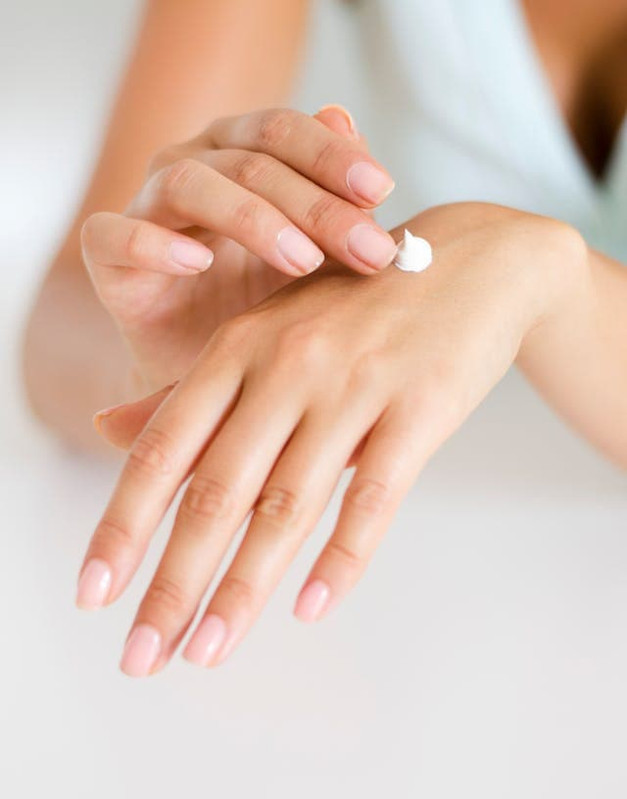
Think of your skin barrier as the security gate of your skin. When it is strong, the skin remains calm, balanced, and resilient.
But when this skin barrier become weak, the skin becomes more vulnerable to irritants, bacteria, and environmental pollutants, reducing its ability to protect itself effectively.
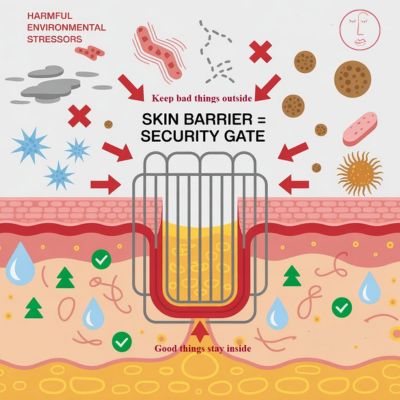
The skin barrier is the skin’s security gate.
Essentially, the skin barrier:
- Prevents trans-epidermal water loss (TEWL)
- Maintains the moisture level of the skin
- Protects the skin from aggressors and infectious substances
- Keeps skin calm and balanced
Where does your skin barrier live?
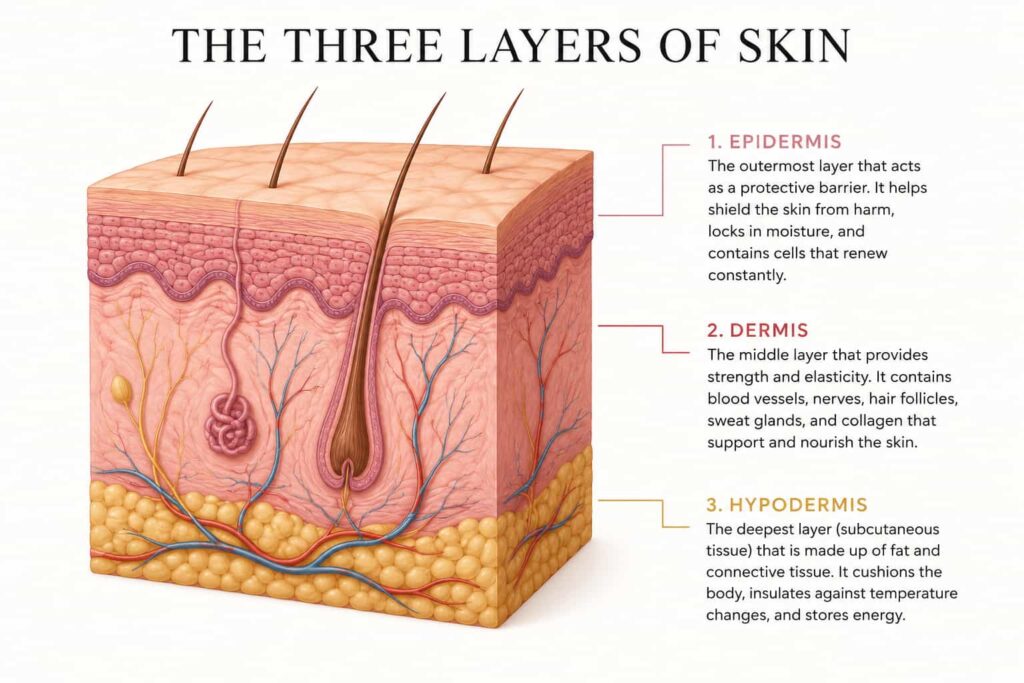
To understand this, you first need to understand your skin. Your skin has three layers.
- Epidermis → The outer protective layer
- Dermis →The structural layer that provides strength through collagen, elastin, blood vessels, and nerves
- Hypodermis → The deepest layer that provides insulation, cushioning, and protection
The skin barrier is located within the epidermis, specifically in the stratum corneum.
How the Skin Barrier Functions
The skin barrier (also called the moisture barrier) functions mainly in the stratum corneum. It consists of two key components:
1. Lipid matrix (moisture barrier)
Made of ceramides, cholesterol, and fatty acids, it acts as a protective seal that prevents water loss and holds skin cells together.
2. Acid mantle
A slightly acidic film (pH ~4.5–5.5) made of sweat, sebum, amino acids, and lactic acid. It helps protect against microbial growth and supports barrier stability.
Without a healthy acid mantle, the skin becomes more prone to dryness, irritation, sensitivity, and breakouts.
To simply understand your stratum corneum, think of it like a brick wall. The skin cells (corneocytes) are the bricks, while lipids act as the mortar that holds everything together. This structure creates a strong, water-resistant barrier that helps keep your skin healthy.
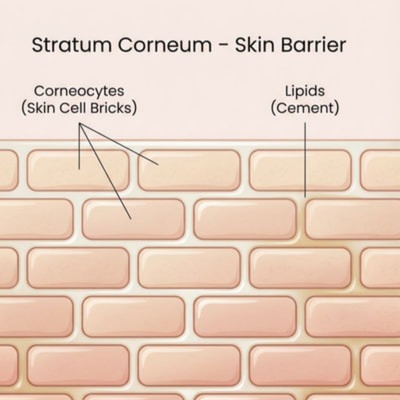
Brick-wall structure of the stratum corneum
What happens when your Skin Barrier is damaged?
The two key things that happen when your skin barrier is compromised are:
- Increased transepidermal water loss (TEWL)
Water escapes from the inner skin’s layers faster than it can be retained. - Increased permeability
Irritants, allergens, and microbes can enter the skin easily and trigger inflammation.
This can all lead to dehydration, sensitivity, and breakouts simultaneously.
The Misconception About Skin Barrier Damage
A common belief is that skin barrier damage is permanent. In reality, your skin barrier is designed to repair itself, but it needs time. When the skin is constantly exposed to irritants, it can become trapped in a cycle of ongoing irritation and incomplete recovery.
As a result, the damage may seem long-lasting when the skin simply hasn’t had the opportunity to heal. With proper care and fewer triggers, the skin barrier can often recover and function normally again.
How to know if the skin barrier is damaged?
Now come the main questions. How do you know your skin barrier is damaged? Here are some key signs of a broken skin barrier.
Increased Skin Sensitivity
- Stinging or burning after skincare
- Tight, stretched feeling
- Increased itchiness or discomfort
Visible Signs of Barrier Damage
- Redness or uneven tone
- Flakiness or rough texture
- Dull or dehydrated appearance
Functional changes
- Increased breakouts
- Slower healing
- Skin reacting to regular safer products
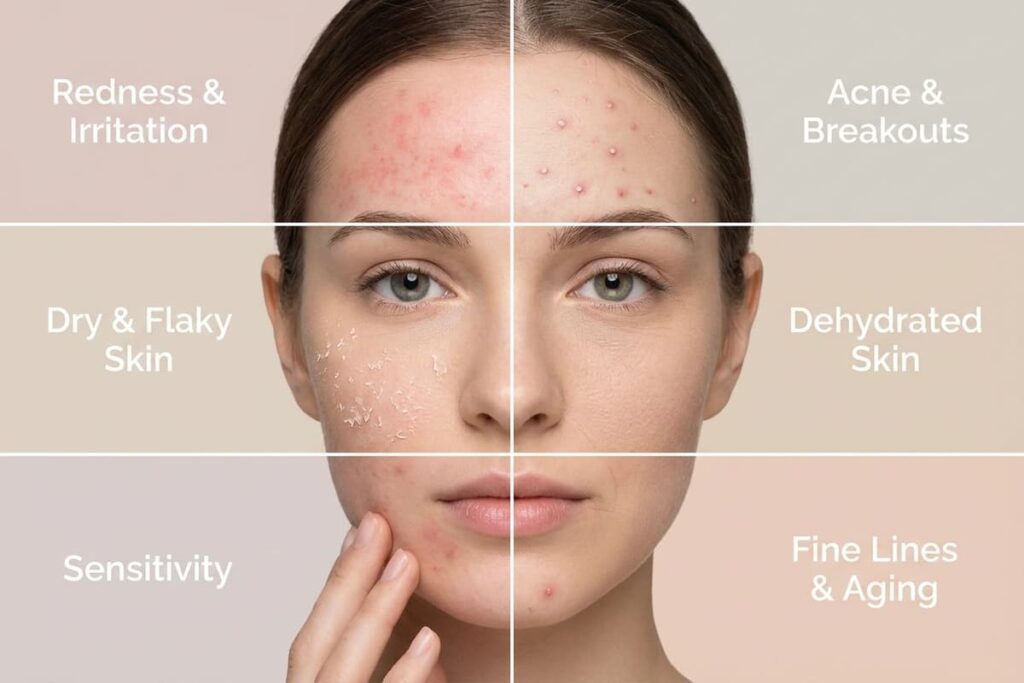
These are the signals your skin sends when its protective barrier is compromised. Paying attention to these early signs can help you identify damage sooner and take action before it becomes more severe.
Read More: How To Repair Skin Barrier
Why does your skin feel irritated even with good products?
If your favorite skincare products suddenly start causing stinging, redness, or irritation. The product itself may not be the problem. Skin barrier damage can reduce your skin’s tolerance. Therefore, even gentle skincare products can feel harsh on your skin. Sudden skin reactions are often a quiet sign that your skin barrier is stressed and more sensitive than usual.
Read More 👉 Skin Barrier Repair Routine: 3 Phases To Restore Your Skin Barrier.
Skin Barrier Damage Across Different Skin Types
Skin barrier function varies across skin types, so signs of barrier damage can appear differently depending on the skin type.
Dry Skin vs. Weak Skin Barrier
Dry skin is also known as barrier-disrupted skin. Dry skin naturally produces less oil. But when your skin barrier is compromised, the skin loses its ability to retain moisture. Therefore:
- Water escapes faster from the skin (increased TEWL)
- Skin feels tight, rough, and flaky
- Moisturizers may only provide short-term soothing.
That’s why dry skin often feels even more dehydrated and dull when the skin barrier is compromised.

Oily Skin vs. Barrier Damage
Oily skin can also have a weakened skin barrier. The skin may produce a normal amount of oil or even more than usual. However, a damaged skin barrier still allows water escape more easily from the skin.
As a result:
- The skin feels oily on the surface
- But dehydrated underneath
- Tightness, sensitivity, and dehydration can occur despite excess oil.

Acne-prone Skin vs. Barrier Dysfunction
Breakouts aren’t caused only by excess oil or bacteria. However, a disrupted skin barrier can also be a contributing factor. When the barrier is weakened:
- Irritants enter the skin more easily.
- Skin Inflammation increases
- Acne cycles become more frequent and harder to control
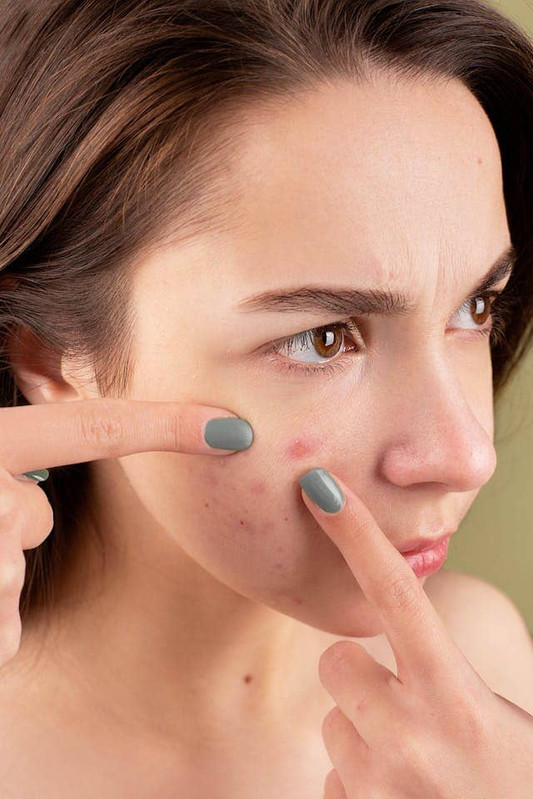
Skin Barrier Damage vs. Sensitive Skin
Sensitive skin often has a naturally reactive skin barrier. When the barrier is damaged, the skin’s nerve endings become more exposed and less protected. As a result, the skin may feel:
- Burning or stinging, even after mild or gentle products
- Redness occurs when products are applied
- Increased sensitivity due to reduced barrier protection
In simple terms, the skin’s tolerance threshold becomes lower, so it reacts more easily than normal.

Skin Aging vs. Skin Barrier Damage
A weakened barrier affects hydration and structural support. Over time:
- Moisture loss makes fine lines more visible
- Skin looks dull and tired
- Recovery and renewal of the skin slow down
A compromised skin barrier does’nt directly cause aging, but it accelerates visible signs of aging due to dehydration and inflammation.

How does a healthy barrier behave vs. a damaged one?
A healthy skin barrier helps the skin stay strong, balanced, and protected. It can tolerate everyday stressors without becoming easily irritated. A damaged skin barrier, on the other hand, is more sensitive and reactive, which can gradually lead to dullness, uneven texture, and a tired-looking complexion.
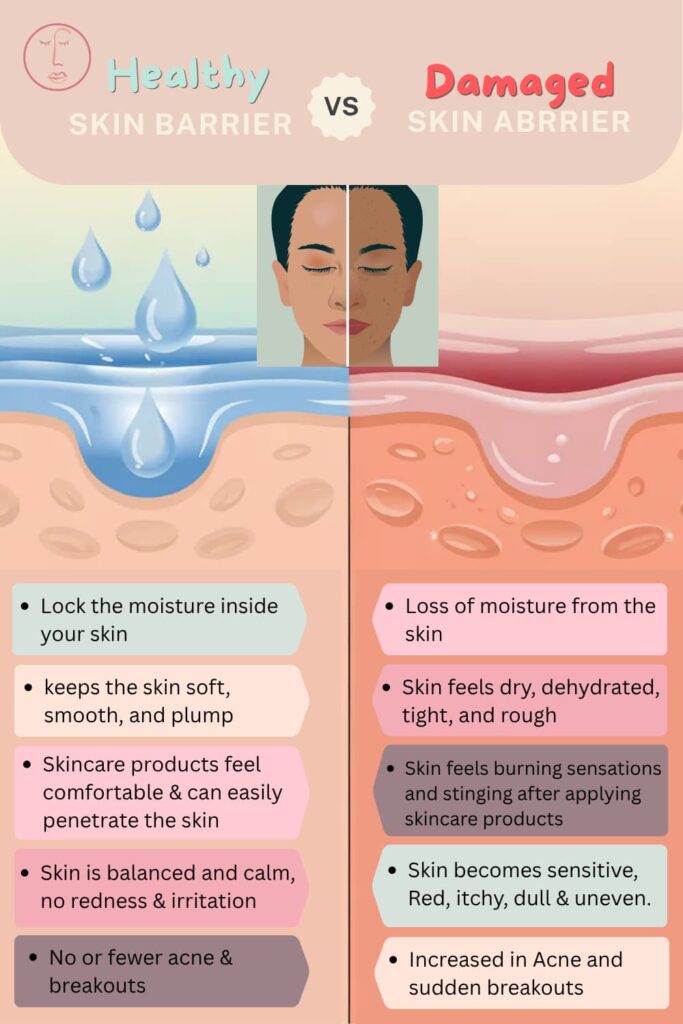
Healthy skin barrier vs. damaged skin barrier
Factors that cause the skin barrier to be damaged
Now that you understand the skin barrier and why it is important, you may wonder what causes it to break down. The truth is, your skin barrier is more sensitive than you might think. Small everyday habits, skincare mistakes, and environmental factors can slowly weaken it, often before you even notice any changes in your skin.
Here are some common causes of skin barrier damage:
Skincare-related causes
- Over-cleansing
- Over-exfoliation
- Excess active ingredients
- Harsh cleansers or soaps
Learn More 👉 What Causes A Damaged Skin Barrier? 10 Skincare Mistakes To Avoid.
Lifestyle factors
- Lack of sleep
- Stress
- Poor nutrition
- Hot water baths
- Longer water exposure
- Hormonal imbalance
- Underlying skin conditions like eczema or rosacea, etc.
Environmental factors
In the International Journal of Environmental Research and Public Health, it has been shown that environmental factors can also lead to a vulnerable skin barrier
- Smog, pollution, smoking
- Extreme weather conditions
- UV rays
- Free radicals can lead to faster breakdown of the skin barrier.
- Temperature (too high / too low)
- Harsh winds and low humidity cause windburn. Skin becomes chapped, cracked, red, inflamed, flaky, and irritated.
Why Ignoring Barrier Health Makes All Skincare Fail
Ignoring barrier health can lead to:
- Premature aging
- Persistent acne cycles
- Increased sensitivity
- Chronic dehydration and dullness
No skincare routine can compensate for a damaged barrier
Learn how to repair the skin barrier with our complete science-backed guide to healthy skin.
Final Takeaway
Skin barrier damage is not a sudden change in your skin type; it’s a temporary disruption of your skin’s protective system. When this barrier becomes weakened, your skin can suddenly become more sensitive, sting, or react to products that were previously comfortable to use. Understanding what causes barrier damage and how to support your skin barrier is essential, as a healthy barrier is the foundation of healthy skin.
Learn 👉 How To Repair Your Skin Barrier
Learn 👉 Skin Barrier Repair Skincare Routine (AM/PM)
FAQs
How do you know if your skin barrier is permanently damaged?
The skin barrier is not usually permanently damaged. In most cases, the skin barrier can repair itself with proper skincare and time. However, if symptoms such as redness, stinging, sensitivity, dehydration, or breakouts persist for weeks or months, your barrier may be chronically compromised, or an underlying skin condition or environmental factors may be affecting recovery.
What damages your skin barrier the most?
The skin barrier is a balanced system. Anything excessive can disrupt its function. Factors such as over-exfoliation, over-cleansing, harsh cleansers, excessive use of actives ( such as retinol, exfoliating acids, and vitamin C), skipping SPF, and environmental stressors can affect the skin barrier.
Can oily skin have a damaged barrier?
Yes, oily skin can have a damaged skin barrier. Various factors such as over-exfoliation, over-cleansing, harsh cleansers, skipping moisturizer, UV exposure, and environmental stressors can weaken the skin barrier, leading to sensitivity, dehydration, irritation, and breakouts.
Can makeup damage the skin barrier?
Makeup itself don’t usually damage the skin barrier. However, sleeping in makeup, using irritating products, harsh makeup removers, or frequently rubbing the skin during application and removal can weaken the skin barrier over time. That’s why, your skin may feel irritated, dry, or sensitive due to makeup.
Should I exfoliate a damaged barrier?
No, you should never exfoliate a damaged skin barrier. Even a healthy skin barrier can become compromised from excessive exfoliation. Exfoliating a damaged skin barrier is like scrubbing a wound. So avoid exfoliating your skin when your skin barrier is damaged.
Found this article helpful? Share it with someone you care about.
Stay radiant! Catch you in the next article.
Read More
What Does Hyaluronic Acid Do for Your Skin? A Science-Backed Guide to Hyaluronic Acid Benefits & Uses
A science-backed guide to what does hyaluronic acid do for your skin, its research-backed benefits,…
Is Glycerin Good for Skin? A Science-Backed Guide to Benefits, Uses & Side Effects
A science-backed guide answering “Is glycerin good for skin?” Explore glycerin benefits for skin, how…

Fall Makeup 2026: Trends, Colors & Easy Looks to Try
The fall makeup guide explores the latest 2026 trends, flattering autumn colors, and easy step-by-step…

Fall Skincare Routine for Glowing Skin: How to Keep Your Skin Hydrated
A practical fall skincare routine guide to building a routine for glowing skin, covering how…
How to Clean Makeup Brushes and Sponges: A Complete Guide 2026
A practical beginner’s guide to ‘how to clean makeup brushes and sponges,’ covering the right…

Why Does My Makeup Look Cakey, Patchy, Dry, or Separated? Here’s How To Avoid Cakey Makeup and Make Foundation Look Smooth
A complete makeup guide to ‘why does my makeup look cakey, ‘ breaking down common causes…
Explore Categories
Skincare Insights
Discover the science behind healthy skin with science-backed insights on skincare ingredients, routines, and skin health.
Beauty Inside-out
.png)
Understand how nutrition, lifestyle, and wellness support healthy skin, stronger hair, and beauty from within.
Makeup Guide

Practical makeup guidance to help you choose products, improve application, and use cosmetics safely with confidence.
Pingback: Skincare Ingredients Explained: A Complete Guide (2026)
Pingback: Easy 3-Step Beginner Skincare Routine For Every Skin Type
Pingback: 10 Foods For Clear Skin You Should Add To Your Diet Today
Pingback: How To Repair Skin Barrier: A Complete 10-Step Science-Backed Guide
Pingback: Essential Skin Barrier Repair Routine: 3 Phases To Restore Your Skin Barrier
Pingback: What Causes A Damaged Skin Barrier? 10 Skincare Mistakes To Avoid.
Pingback: Simple Fall Skincare Routine For Glowing Skin (2026) | Skin Alchemy
Pingback: What Does Hyaluronic Acid Do For Your Skin? An Easy Science-Backed Guide To Hyaluronic Acid Benefits & Uses