
A complete breakdown of what causes a damaged skin barrier, the everyday skincare mistakes behind skin barrier damage, and the simple changes you can make to keep your skin healthy, balanced, and resilient.
Your skincare might be damaging your skin. You invested in good skincare, hoping for healthy, glowing skin. But instead, your skin became red, irritated, tight, flaky, dehydrated, or started breaking out even more.
If this sounds familiar, you may also be wondering what causes a damaged skin barrier. In many cases, the real culprit isn’t the products themselves. But the everyday skincare mistakes that weaken your skin’s natural protective barrier and lead to skin barrier damage.
Well! Most causes of skin barrier damage related to skincare habits are preventable. Small changes to your routine can make a big difference in protecting your skin barrier and maintaining healthy, resilient skin.
In This Article, You’ll Learn
- How to recognize the early signs of a damaged skin barrier before the damage gets worse.
- The 10 common skincare mistakes that quietly weaken your skin barrier and why they matter.
- Simple, barrier-friendly changes to protect your skin and maintain a healthy, resilient skin barrier.
- Other factors and underlying skin conditions that can also affect your skin barrier.
- What Does a Damaged Skin Barrier Look Like?
- 10 Skincare Mistakes That Damage Your Skin Barrier
- Mistake #1: Using Too Many Skincare Products (The Skincare Cocktail)
- Mistake #2: Trying to Treat Every Skin Concern at Once (Overloading Your Skin)
- Mistake #3: Following Trends Instead of Your Skin's Needs
- Mistake #4: Over-Exfoliating in the Name of Glowing Skin
- Mistake #5: Over-Cleansing or Using Harsh Cleansers
- Mistake #6: Skipping Moisturizer Because Your Skin Is Oily
- Mistake #7: Skipping Sunscreen and Leaving Your Skin Barrier Unprotected
- Mistake #8: Switching Products Before Your Skin Can Adapt
- Mistake #9: Acne products (if not used correctly)
- Mistake #10: Using Steroid Creams Without Medical Advice
- H2: Other Factors That Can Damage Your Skin Barrier
- H2: Underlying Skin Conditions That Weaken The Skin Barrier
- Key Takeaways
- FAQs
- 1. Can retinol or acids permanently damage the skin barrier?
- 2. How do I know if my skincare products are harming my barrier?
- 3. Can a damaged skin barrier cause acne or breakouts?
- 4. Is redness and peeling a sign of a damaged skin barrier?
- 5. What skincare ingredients should I avoid if I have a damaged skin barrier?
- Read Other Posts
- Explore Our Categories
What Does a Damaged Skin Barrier Look Like?
Before we look at the skincare mistakes that can weaken your skin barrier, it’s important to understand what a damaged skin barrier looks like and how to know if your skin barrier is damaged.
Your skin barrier is the outermost layer of your skin. It’s made of skin cells held together by natural fats (called lipids) that help lock in moisture while keeping out irritants, pollution, and germs. When this barrier becomes damaged, your skin loses moisture more easily and becomes dry, irritated, sensitive, and more prone to inflammation.
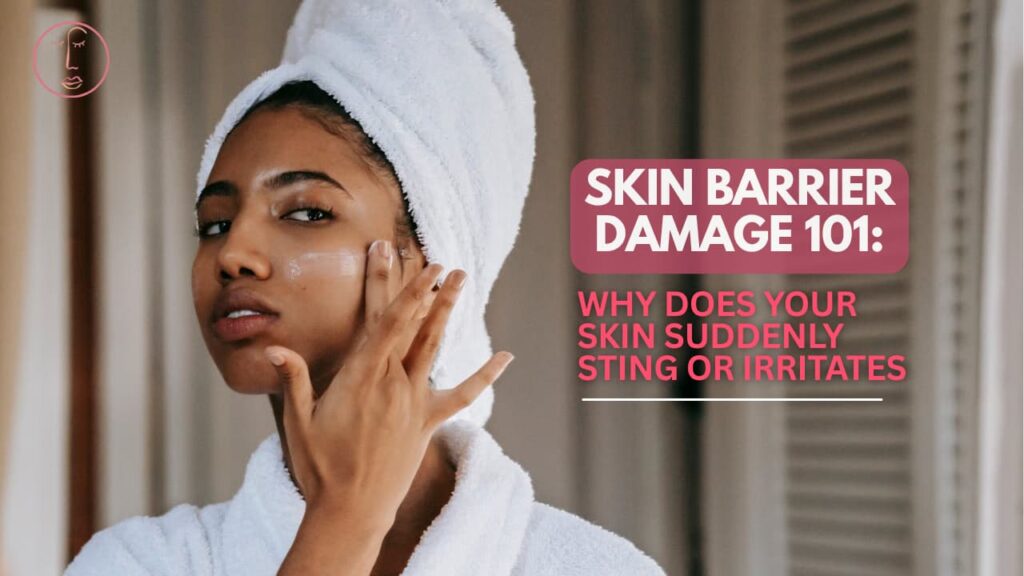
Read more 👉 Skin Barrier Damage 101: Why Does Your Skin Suddenly Sting or Irritate
However, your skin barrier doesn’t get damaged overnight. Instead, your skin often gives subtle warning signs before the damage becomes more severe.
- Your skin feels tight, dry, or dehydrated, even after applying moisturizer.
- You notice dry patches, flaking, or a rough skin texture.
- Your skin becomes red, itchy, or easily irritated.
- Skincare products suddenly sting or burn, even the ones you’ve used before.
- Breakouts appear alongside dryness and sensitivity.
- Your skin looks dull instead of smooth, healthy, and radiant.
- Your skin takes longer to recover from irritation or minor inflammation.

Learn More 👉 How to Repair Skin Barrier: A 10-Step Science-Backed Guide to Healthy Skin
10 Skincare Mistakes That Damage Your Skin Barrier
Now that you know what a damaged skin barrier looks like, let’s talk about what causes a damaged skin barrier. Here are the 10 most common skincare mistakes that can damage your skin barrier.
Mistake #1: Using Too Many Skincare Products (The Skincare Cocktail)
Social media constantly introduces us to new “must-have” skincare products. Every new launch promises brighter skin, smaller pores, or fewer wrinkles, making it easy to feel like your skin needs them all. Before you know it, your simple skincare routine turns into a skincare cocktail with cleansers, toners, serums, acids, masks, and oils.
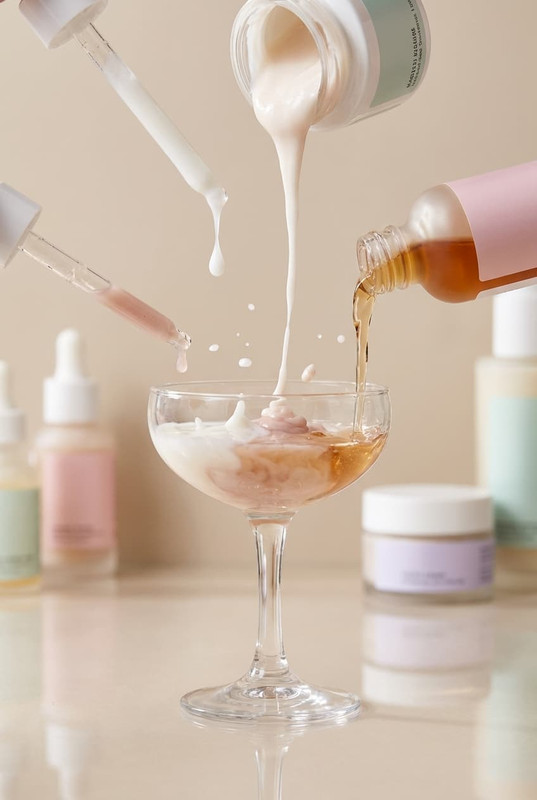
The problem isn’t owning different skincare products. The problem is believing that more products mean better skin. In reality, you simply need the right products for your skin type and concerns.
Every skincare product is made with a mix of ingredients designed to do a specific job. As you keep adding more products to your routine, your skin is exposed to more ingredients, fragrances, preservatives, and active ingredients. While each product may be beneficial on its own, using too many at once increases the chance of irritation and can gradually weaken your skin barrier.
Instead of chasing every new trend, keep your routine simple and intentional. A few well-chosen products used consistently will do far more for your skin than an overcrowded routine ever will.
Mistake #2: Trying to Treat Every Skin Concern at Once (Overloading Your Skin)
Many people layer multiple active ingredients in the same routine, hoping to treat acne, dark spots, fine lines, and dullness all at once. Active ingredients like retinoids, AHAs, BHAs, benzoyl peroxide, and vitamin C are powerful and effective—but they also need to be used thoughtfully.
Your skin needs time to adjust to active ingredients, especially if you’re using them for the first time or increasing their strength or frequency. Layering several strong actives together can overwhelm your skin and weaken your skin barrier, increasing skin irritation and inflammation.
Read 👉 The Beginner’s Guide to Skincare Ingredients to learn about the 7 main categories of skincare ingredients.

Some combinations are more likely to irritate, especially if your skin is sensitive or your skin barrier is already damaged. For example:
- Retinoids with AHAs/BHAs
- Retinoids with L-ascorbic acid
- Multiple exfoliating acids in the same routine
- Benzoyl peroxide with retinoids, vitamin C, or exfoliating acids.
Instead of trying to fix every skin concern at once, focus on your biggest concern first, and only add another once your skin has adjusted well.
Want to treat acne, dark spots, or fine lines without damaging your skin barrier?
Learn more 👉 How to safely introduce active ingredients into your skincare while protecting your skin barrier.
Mistake #3: Following Trends Instead of Your Skin’s Needs
Social media is full of influencers sharing their favorite products and routines. While these recommendations can be helpful, it’s easy to assume that if a product transformed someone else’s skin, it will do the same for yours.

However, everyone has unique skin. Your skin type, concerns, age, climate, and even the products you already use all affect how your skin responds to a new product. A moisturizer that’s perfect for someone with dry skin may feel too heavy for oily skin, while a strong exfoliating serum that works for one person may irritate another.
When your skincare doesn’t match your skin’s needs, you’re less likely to see the results you’re hoping for. Instead, you may end up dealing with new concerns, unnecessary irritation, or spending time and money on products your skin never needed in the first place.
Mistake #4: Over-Exfoliating in the Name of Glowing Skin
Exfoliation helps remove dead skin cells, smooth rough texture, and reveal brighter-looking skin. But like most things in skincare, too much of a good thing can quickly become harmful.
Many people exfoliate too often, use multiple exfoliating products, or scrub their skin too aggressively, hoping for faster results and a glowing complexion. However, over-exfoliation doesn’t just remove dead skin cells—it also strips away some of the protective lipids that keep your skin barrier strong and healthy.

Your skin may feel softer and look brighter at first, but that glow is often temporary. Without enough time to repair itself, your skin barrier gradually becomes weaker, making it easier for moisture to escape and leaving your skin more prone to dryness, sensitivity, and irritation.
This can happen with both chemical exfoliants (such as AHAs and BHAs) and physical exfoliants (like facial scrubs, rough washcloths, or cleansing brushes) when they’re used too often or too aggressively.
Exfoliate only once or twice a week and always follow with a moisturizer to replenish hydration and support your skin barrier.
Mistake #5: Over-Cleansing or Using Harsh Cleansers
Cleansing is an important part of every skincare routine. It helps remove dirt, sweat, excess oil, and other impurities from your skin. But after washing, your skin should feel clean—not tight, dry, or stripped.
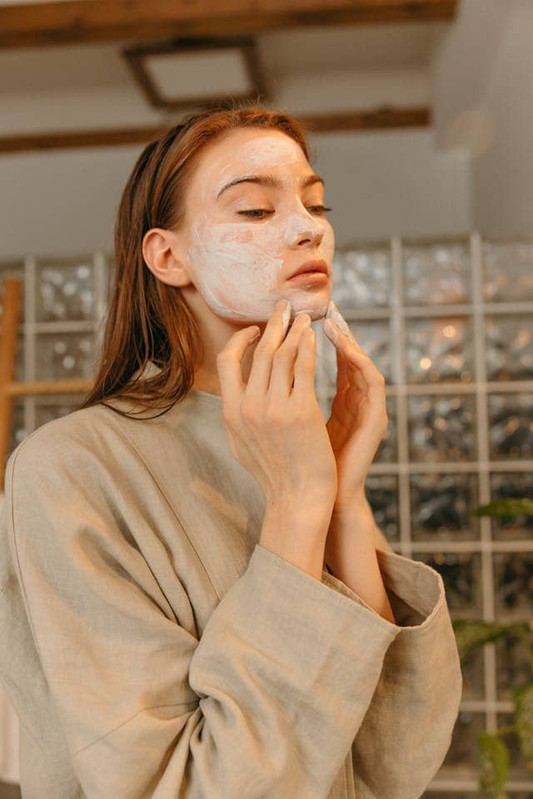
Washing your face several times a day or using a harsh cleanser can remove not only dirt and excess oil but also some of the natural oils that help keep your skin barrier healthy. Without enough of these protective oils, your skin loses moisture more easily and becomes dry, tight, and more sensitive over time.
Choose a gentle cleanser that cleans your skin without leaving it feeling stripped. For most people, cleansing twice a day is enough. If your skin is very dry or sensitive, cleansing once in the evening may be all you need.
Mistake #6: Skipping Moisturizer Because Your Skin Is Oily
Many people with oily skin skip moisturizer because they think it will reduce shine or prevent breakouts. In reality, that’s one of the most common skincare myths.
Moisturizers help lock in water, reduce moisture loss, and support a healthy skin barrier. When you skip moisturizer, your skin loses water more easily, making it feel dehydrated even if it still looks oily.
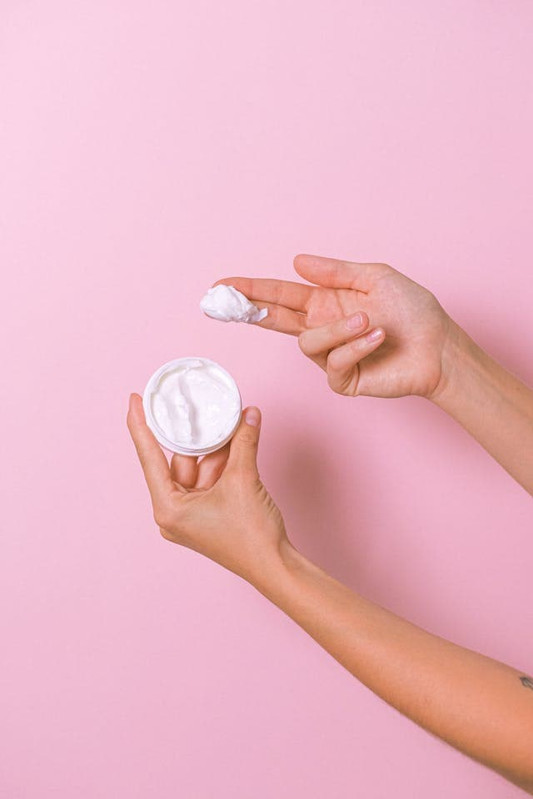
Over time, dehydration can leave your skin feeling tight, uncomfortable, and more sensitive. Some people with dehydrated skin may notice increased oiliness, although this doesn’t happen to everyone.
Rather than skipping moisturizer, choose one that’s suitable for your skin type. Lightweight, non-comedogenic moisturizers are great for oily and acne-prone skin, while richer formulas work better for dry skin. The right moisturizer keeps your skin hydrated, supports a healthy skin barrier, and doesn’t have to feel heavy or greasy.
Learn More 👉 How skin barrier damage affects different skin types
Mistake #7: Skipping Sunscreen and Leaving Your Skin Barrier Unprotected
Sunscreen isn’t just about preventing tanning or sunburn—it’s one of the most important steps for protecting your skin barrier.
Every day, your skin is exposed to UV rays, even on cloudy days. Over time, this exposure breaks down the lipids that help hold your skin barrier together and triggers inflammation. As a result, your skin loses moisture more easily and becomes more vulnerable to dryness, sensitivity, and premature aging.

Sunscreen is especially important if you use active ingredients like retinoids, AHAs, or BHAs. These ingredients can make your skin more sensitive to the sun, so skipping sunscreen increases the risk of irritation and slows down your skin barrier’s recovery. Make sunscreen the last step of your morning skincare routine, and choose a broad-spectrum SPF 30 or higher.
Mistake #8: Switching Products Before Your Skin Can Adapt
Most skincare products need time to work, so don’t expect overnight results. Many people stop using a product too soon or switch to another product because they don’t see immediate changes in their skin.
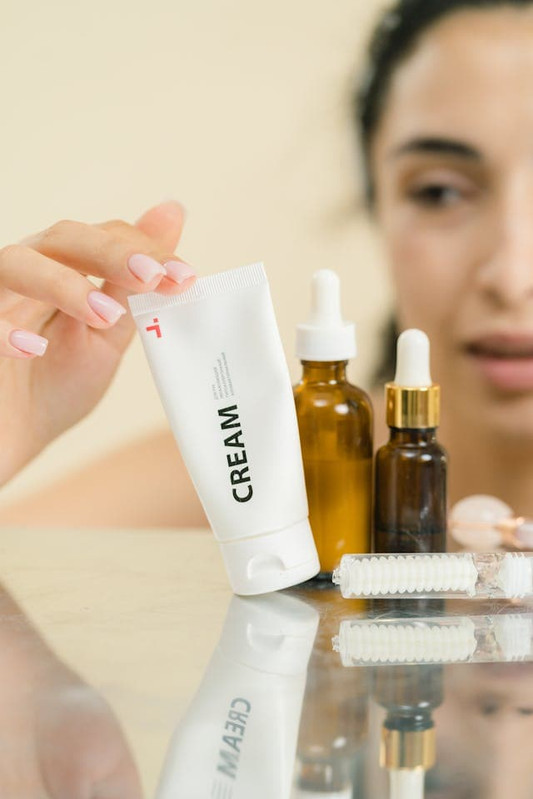
Your skin needs time to get used to every new product. Be patient and give your skincare routine time to work. Unless a product is causing irritation or an allergic reaction, use it consistently for several weeks before deciding whether it’s right for your skin.
Mistake #9: Acne products (if not used correctly)
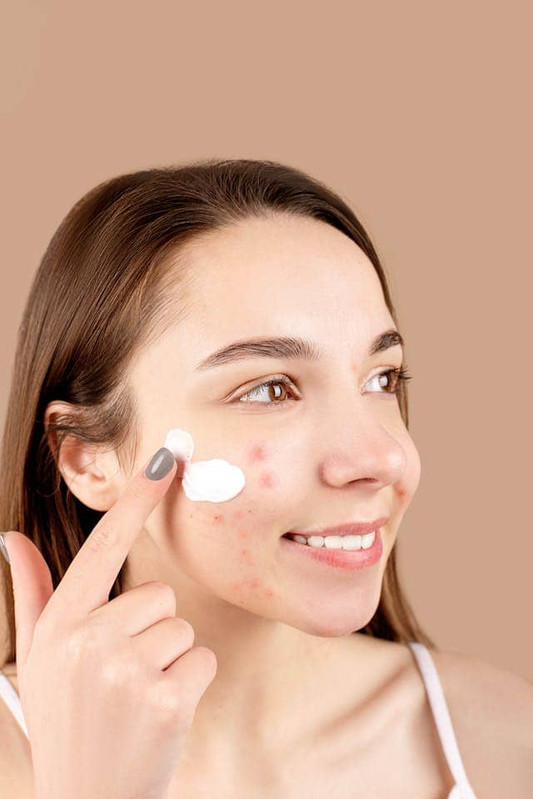
Acne treatments like salicylic acid, benzoyl peroxide, adapalene, and tretinoin can be highly effective—but only when they’re used correctly.
Using more product or applying it more often won’t clear your skin faster. Instead, it can leave your skin dry, flaky, irritated, and uncomfortable.
Start with the recommended amount, use it consistently, and let your skin adjust over time. With acne treatments, patience brings better results than overdoing it.
Mistake #10: Using Steroid Creams Without Medical Advice
Steroid creams can quickly reduce redness, itching, and inflammation, which is why many people see them as a fast solution for almost any skin problem. But they aren’t meant to be used as part of your regular skincare routine.
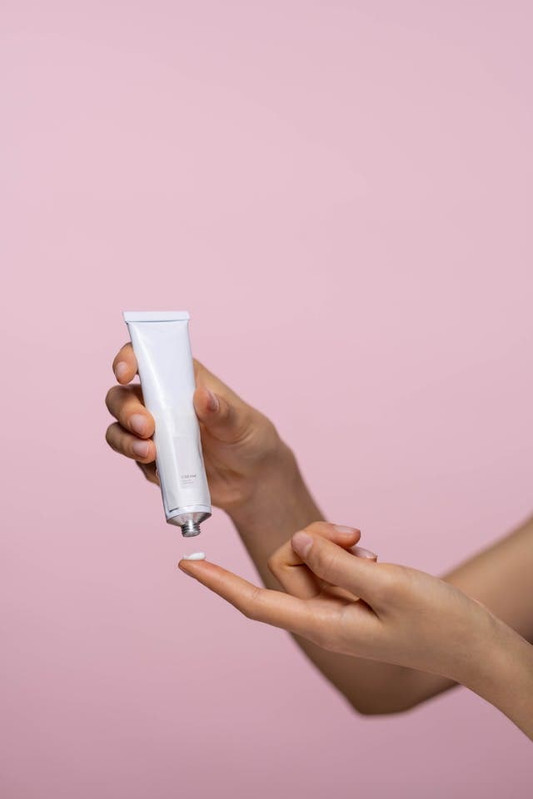
Using steroid creams for long periods or without medical advice can thin the skin, weaken the skin barrier, and sometimes make skin problems return once you stop using them.
If you think you need a steroid cream, use it only as directed by your healthcare provider. And be cautious of “miracle” or “instant glow” creams, as some may contain hidden steroids that can harm your skin over time.
Learn 👉 3-step Skincare Routine for Beginners for All Skin Types (AM/PM)
H2: Other Factors That Can Damage Your Skin Barrier
While skincare habits are one of the most common causes of skin barrier damage, they’re not the only reason your skin barrier may become compromised. Environmental factors, lifestyle habits, and certain daily exposures can also weaken your skin’s natural defenses.
Hot water and long showers
- Frequent hot showers strip away the skin’s natural lipids.
- This increases water loss and leaves skin feeling tight and dry.
- Use lukewarm water and keep showers to around 5–10 minutes.
Dry weather and low humidity
- Cold weather, indoor heating, and air conditioning reduce moisture in the air.
- Low humidity increases transepidermal water loss (TEWL), making the skin barrier more vulnerable to dryness and sensitivity.
- Using a moisturizer regularly—and a humidifier if needed—can help reduce moisture loss.
UV exposure
- Too much sun exposure damages the lipids and proteins that help keep the skin barrier intact.
- Over time, UV damage increases inflammation, dehydration, and premature skin aging.
- Wearing a broad-spectrum sunscreen every day is one of the best ways to protect your skin barrier.
Pollution and environmental irritants
- Air pollution, smoke, and dust generate oxidative stress on the skin.
- These environmental aggressors can weaken the skin barrier and trigger irritation, especially in sensitive skin.
- Cleansing gently at the end of the day helps remove pollutants without stripping the skin.
Chronic stress and lack of sleep
- Ongoing stress can increase cortisol levels, which may impair skin barrier function and slow its recovery.
- Poor sleep also reduces the skin’s ability to repair itself overnight.
- Prioritizing stress management and getting 7–9 hours of quality sleep supports healthier skin.
Not getting enough barrier-supporting nutrients
- Your skin barrier relies on nutrients to maintain healthy skin cells and lipids.
- Diets low in protein, healthy fats, vitamins, and minerals may affect barrier function over time.
- Eating a balanced diet and staying hydrated help support healthy skin from within.
Learn More: How to repair the skin barrier and support its healing through the right skincare, nutrition, and lifestyle.
H2: Underlying Skin Conditions That Weaken The Skin Barrier
Sometimes, skin barrier damage isn’t caused by skincare or lifestyle habits. Certain skin conditions can also naturally weaken the skin barrier, making it more prone to dryness, irritation, and sensitivity.
Common conditions include:
- Dry skin: Naturally produces less oil, making it easier for the skin barrier to lose moisture and become damaged.
- Atopic dermatitis (eczema): People with eczema have a weaker skin barrier that struggles to retain moisture and keep out irritants, often causing dry, itchy, and inflamed skin.
- Rosacea: This condition makes the skin more sensitive and reactive. Flare-ups can further weaken the skin barrier, leading to redness, burning, and irritation.
- Psoriasis: A chronic inflammatory skin condition that disrupts the skin barrier, causing thick, dry, and scaly patches while making the skin more vulnerable to moisture loss.
Key Takeaways
Healthy skin isn’t about following every trend or using more products, but understanding what your skin truly needs. Avoid these common skincare mistakes, protect your skin barrier, and your skin will be better positioned to stay healthy, balanced, and naturally radiant.
Read More 👉 Skin Barrier Repair Routine: 3 Phases to Restore Your Skin Barrier
Read More 👉 Beginner Skincare Routine: Easy 3-Step Routine for All Skin Types (AM/PM)
FAQs
1. Can retinol or acids permanently damage the skin barrier?
No, retinol and exfoliating acids do not permanently damage the skin barrier when used correctly. However, overusing them, using high concentrations, or combining multiple active ingredients can temporarily weaken the skin barrier. Choosing gentle formulations and using barrier-supportive ingredients can help minimize irritation and keep your skin barrier healthy.
2. How do I know if my skincare products are harming my barrier?
If your skin feels tight, dry, stings, burns, or becomes unusually red and sensitive after using skincare products, your skin barrier may be compromised. If you notice these signs, simplify your routine, stop using irritating active ingredients for a while, and focus on gentle, barrier-supportive skincare until your skin recovers.
3. Can a damaged skin barrier cause acne or breakouts?
Yes, a damaged skin barrier can contribute to acne and breakouts. When your skin barrier is weakened, it becomes more prone to inflammation and irritation, which can worsen existing acne and make your skin more vulnerable to new breakouts. Focus on repairing your skin barrier with barrier-supporting ingredients (such as ZnO, panthenol, ceramides, niacinamide, glycerin, etc.), while introducing acne treatments gradually to help calm inflammation and support clearer skin over time.
4. Is redness and peeling a sign of a damaged skin barrier?
Yes, redness and peeling are common signs of a damaged skin barrier, especially if they’re accompanied by dryness, tightness, stinging, or increased sensitivity. If these symptoms appear after starting new skincare products or overusing active ingredients, simplify your routine and focus on barrier-supporting ingredients like ceramides, glycerin, panthenol, and petrolatum until your skin recovers.
5. What skincare ingredients should I avoid if I have a damaged skin barrier?
If you have a damaged skin barrier, temporarily avoid or reduce irritating active ingredients like retinoids, AHAs, BHAs, benzoyl peroxide, high-strength vitamin C (L-ascorbic acid), and physical scrubs until your skin has healed. Instead, focus on gentle, fragrance-free products with barrier-supporting ingredients like ceramides, glycerin, panthenol, and hyaluronic acid to help your skin recover.
Found this article helpful? Share it with someone you care about.
Stay radiant! Catch you in the next article.
Read Other Posts

What Does Hyaluronic Acid Do for Your Skin? A Science-Backed Guide to Hyaluronic Acid Benefits & Uses
A science-backed guide to what does hyaluronic acid do for your skin, its research-backed benefits,…
Is Glycerin Good for Skin? A Science-Backed Guide to Benefits, Uses & Side Effects
A science-backed guide answering “Is glycerin good for skin?” Explore glycerin benefits for skin, how…

Fall Makeup 2026: Trends, Colors & Easy Looks to Try
The fall makeup guide explores the latest 2026 trends, flattering autumn colors, and easy step-by-step…

Fall Skincare Routine for Glowing Skin: How to Keep Your Skin Hydrated
A practical fall skincare routine guide to building a routine for glowing skin, covering how…
How to Clean Makeup Brushes and Sponges: A Complete Guide 2026
A practical beginner’s guide to ‘how to clean makeup brushes and sponges,’ covering the right…

Why Does My Makeup Look Cakey, Patchy, Dry, or Separated? Here’s How To Avoid Cakey Makeup and Make Foundation Look Smooth
A complete makeup guide to ‘why does my makeup look cakey, ‘ breaking down common causes…
Explore Our Categories
Skincare Insights
Discover the science behind healthy skin with science-backed insights on skincare ingredients, routines, and skin health.
Beauty Inside-out
.png)
Understand how nutrition, lifestyle, and wellness support healthy skin, stronger hair, and beauty from within.
Makeup Guide
Practical makeup guidance to help you choose products, improve application, and use cosmetics safely with confidence.
Pingback: Is Vitamin C Good For The Skin? The Complete Guide To Its Benefits, Uses & How It Works (2026)
Pingback: Skincare Ingredients Explained: A Complete Guide (2026)
Pingback: Easy 3-Step Beginner Skincare Routine For Every Skin Type
Pingback: Skin Barrier Damage 101: Why Your Skin Suddenly Stings
Pingback: How To Repair Skin Barrier: A Complete 10-Step Science-Backed Guide
Pingback: Essential Skin Barrier Repair Routine: 3 Phases To Restore Your Skin Barrier
Pingback: What Does Hyaluronic Acid Do For Your Skin? An Easy Science-Backed Guide To Hyaluronic Acid Benefits & Uses